How to Build Your Own Container Home: The Complete Beginner’s Guide
Building a container home sounds like one of those wild ideas you dream up after watching a few tiny home videos. Then you realize… wait a second, this could actually work.
I remember the first time I stepped inside a well-designed shipping container home. I expected it to feel cramped, cold, and a little like living inside a giant toolbox. Instead, it felt bright, modern, and surprisingly cozy. That experience completely changed my opinion.
If you’ve ever wondered how to build your own container home, you’re in the right place. I’ll walk you through every major step, explain what works (and what doesn’t), and share plenty of practical tips along the way.
Table of Contents
Why So Many People Choose Container Homes
Container homes have become incredibly popular because they combine affordability, creativity, and sustainability.
People love them because they can build unique homes without spending the same amount as a traditional custom house. Plus, recycling shipping containers gives these massive steel boxes a second life instead of leaving them unused in ports.
The biggest advantages include:
- Lower building costs (in many situations)
- Faster construction timeline
- Modern industrial appearance
- Excellent structural strength
- Flexible floor plans
- Eco-friendly building option
Of course, container homes aren’t magic. They still require planning, permits, and a realistic budget. Sorry… no one simply drops a container into the backyard and calls it a luxury mansion. 🙂
Step 1: Plan Before You Buy Anything
Every successful project starts with a solid plan.
Many beginners rush to buy containers first. I actually recommend doing the opposite. Figure out exactly what you want your home to look like before spending money.

Decide Your Goals
Ask yourself:
- Will this become your primary home?
- Is it a vacation cabin?
- Do you want an Airbnb rental?
- Will you expand later?
Your answers affect almost every design decision.
Planning Tips
- Choose the number of bedrooms first.
- Think about future family needs.
- Plan outdoor living space.
- Leave room for utilities.
- Design for natural sunlight.
Bonus Tip: Spend extra time designing your floor plan. Changing a sketch costs nothing. Changing steel walls after construction costs…well…a lot more.
Step 2: Understand Local Building Codes
This isn’t the exciting part, but it might be the most important step.
Every city, county, or municipality has different building regulations. Some areas welcome container homes, while others have strict zoning rules.
Ever wondered why some amazing container homes appear in magazines but never in your neighborhood? Building regulations often explain the difference.
Check These Requirements
- Residential zoning
- Foundation regulations
- Wind-load requirements
- Snow-load standards
- Utility connections
- Fire safety codes
- Minimum insulation values
Bonus Tip: Visit your local planning office before buying containers. A one-hour meeting can save months of frustration.
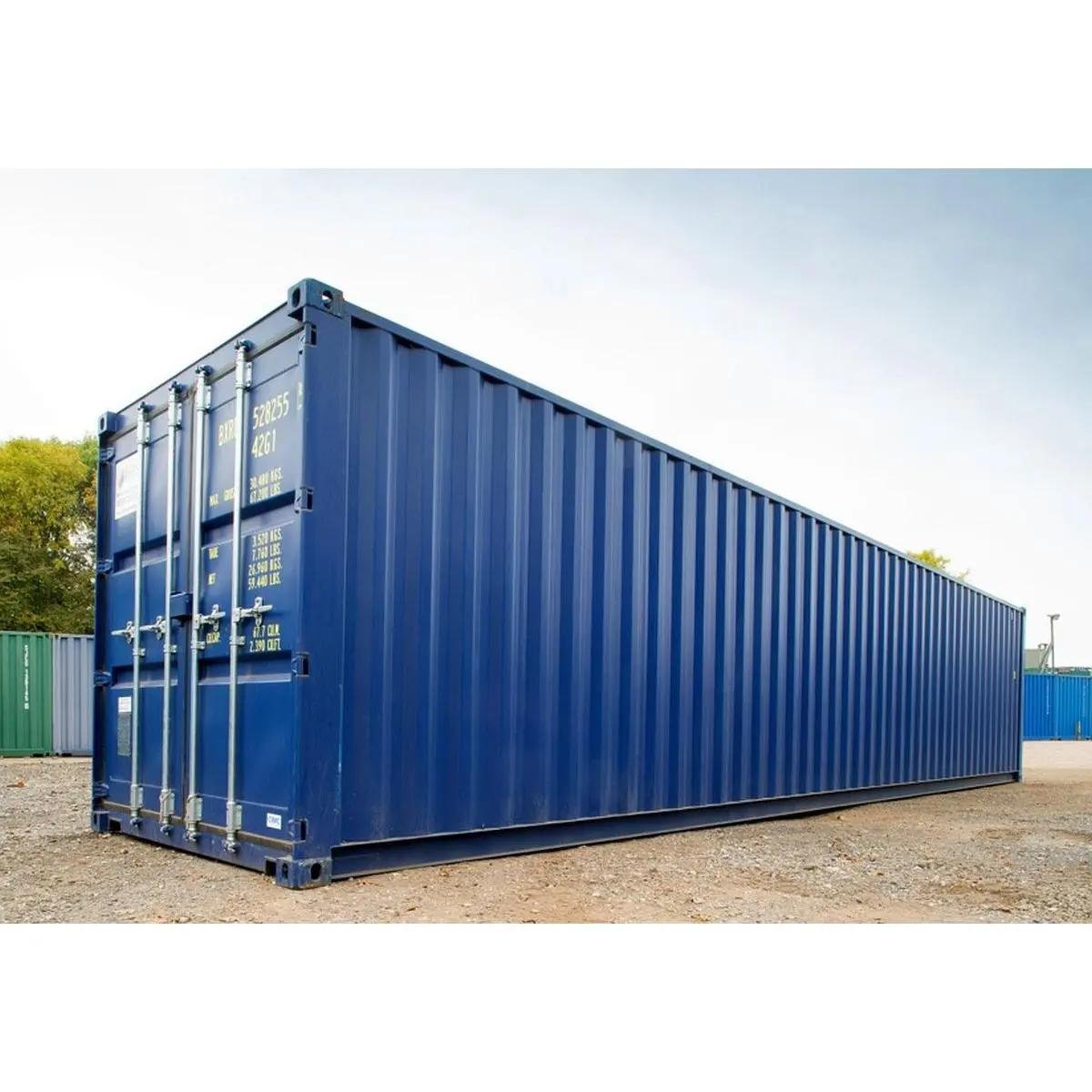
Step 3: Choose the Right Shipping Containers
Not every shipping container makes a good home.
IMO, buying a slightly newer container usually pays off. You avoid excessive rust, dents, and expensive repairs later.
Common Container Sizes
| Container | Best For |
|---|---|
| 20-foot | Tiny homes, studios |
| 40-foot | Family homes |
| 40-foot High Cube | Better ceiling height |
Buying Tips
- Inspect rust carefully.
- Check for structural damage.
- Avoid containers with chemical contamination.
- Look for “One Trip” containers.
- Verify doors seal properly.
Bonus Tip: High Cube containers provide about one extra foot of interior height. That small difference makes rooms feel dramatically larger.
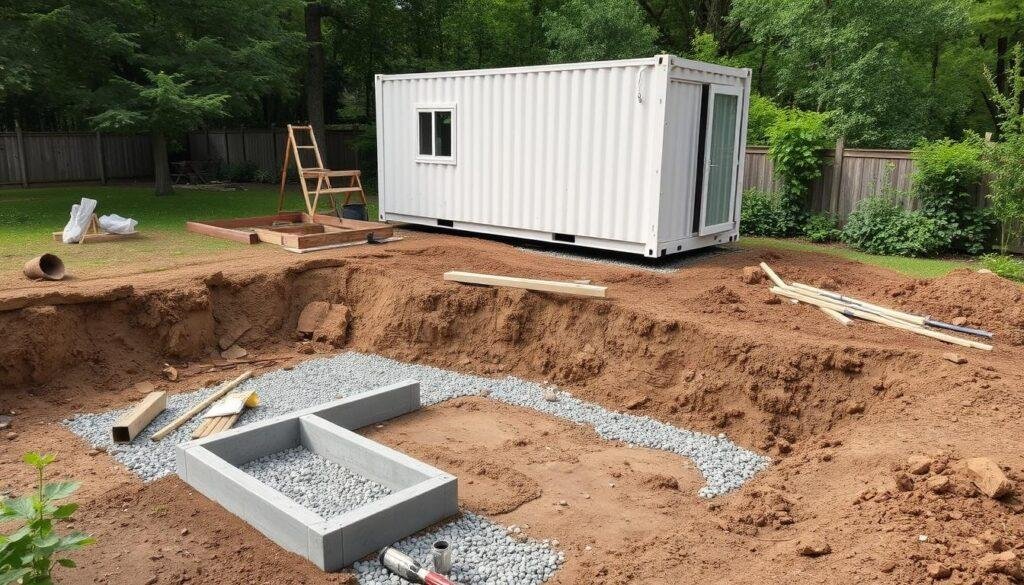
Step 4: Prepare the Building Site
A great home starts with a stable foundation.
Container homes don’t always require massive concrete slabs. Many builders use pier foundations, depending on local conditions.
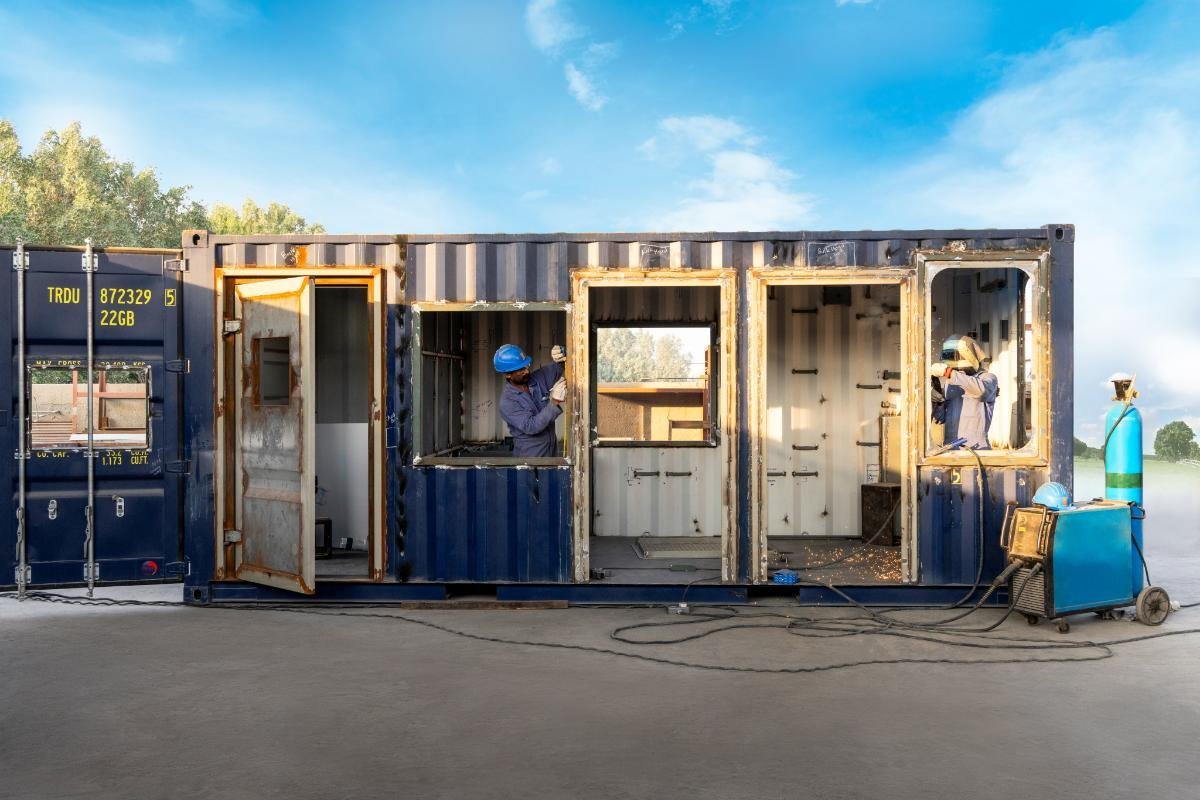
Site Preparation Checklist
- Clear vegetation
- Level the land
- Install drainage
- Pour foundation
- Prepare utility trenches
- Confirm measurements
Bonus Tip: Good drainage protects your investment. Water causes more long-term headaches than almost anything else.
Step 5: Design the Interior Layout
This is where your project starts feeling like a real home.
Because containers have limited width, open layouts usually work best.
Smart Layout Ideas
- Combine kitchen and living room.
- Use sliding doors.
- Install built-in storage.
- Choose multifunctional furniture.
- Maximize natural light.
Bonus Tip: Large windows transform container homes. They make compact spaces feel twice as large.
Step 6: Cut Openings Carefully
Cutting into steel removes structural strength.
Always reinforce large openings with steel framing before removing major wall sections.
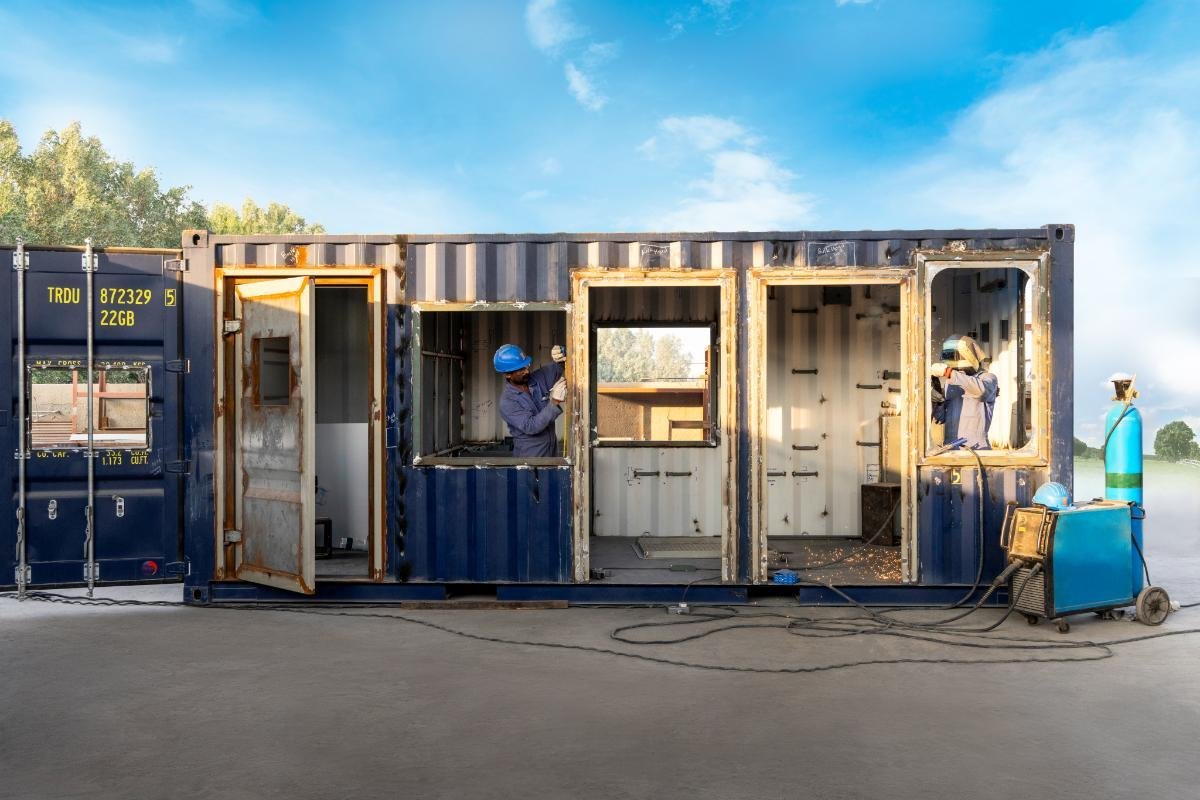
Before Cutting
- Mark every opening precisely.
- Reinforce structural sections.
- Hire experienced welders if needed.
- Double-check measurements.
Bonus Tip: Measure twice…then measure again. Steel doesn’t magically grow back after the grinder starts.
Step 7: Install Insulation
Steel gets extremely hot and cold.
Without proper insulation, your container can feel like an oven in summer and a freezer in winter.
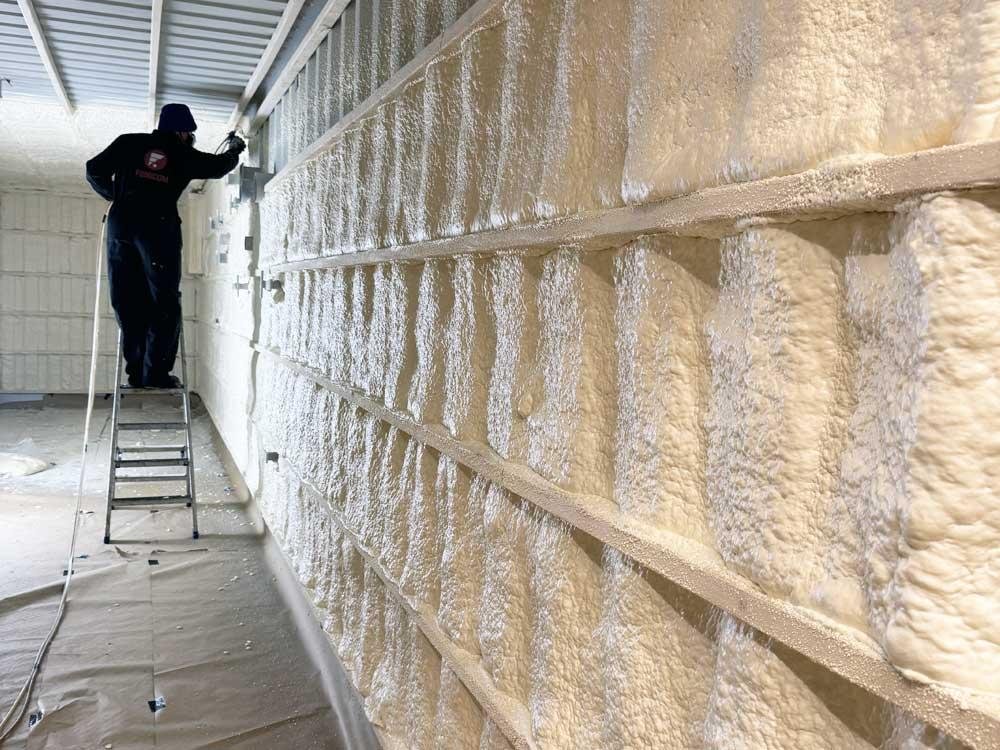
Popular Insulation Choices
- Spray foam
- Rigid foam board
- Rock wool
- Closed-cell insulation
Each option offers different benefits depending on your climate.
Bonus Tip: Don’t skimp here. Good insulation improves comfort, lowers utility bills, and reduces condensation.
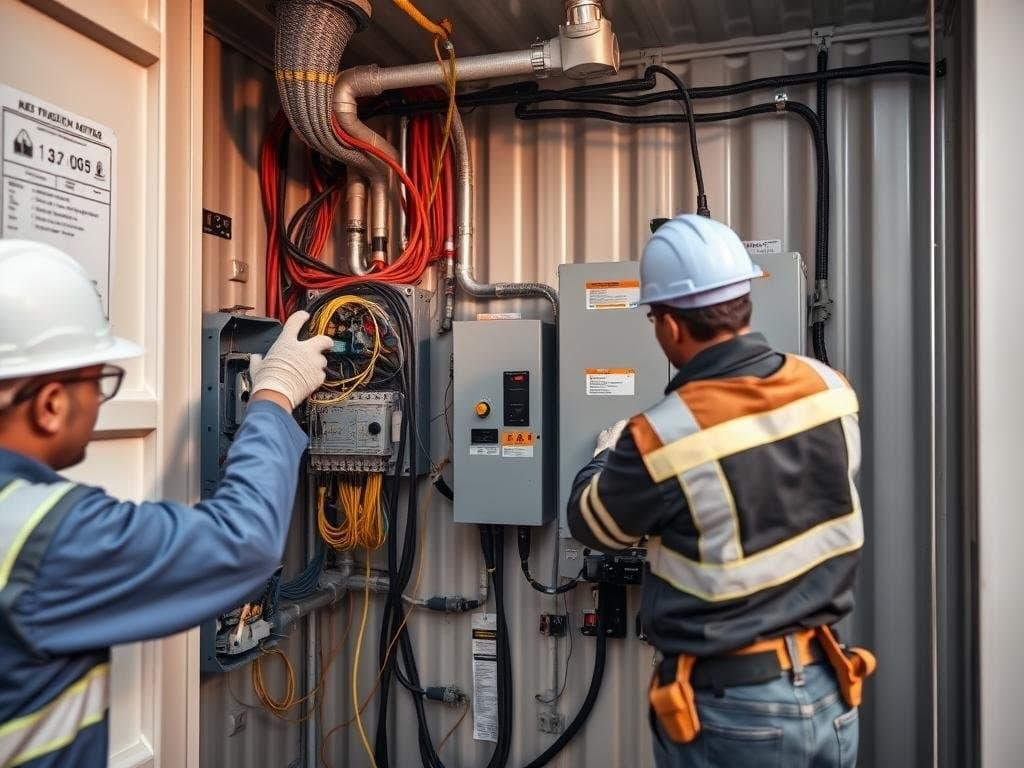
Step 8: Install Plumbing and Electrical Systems
Utilities require careful planning before walls go up.
Route plumbing, wiring, internet cables, and HVAC systems together whenever possible.
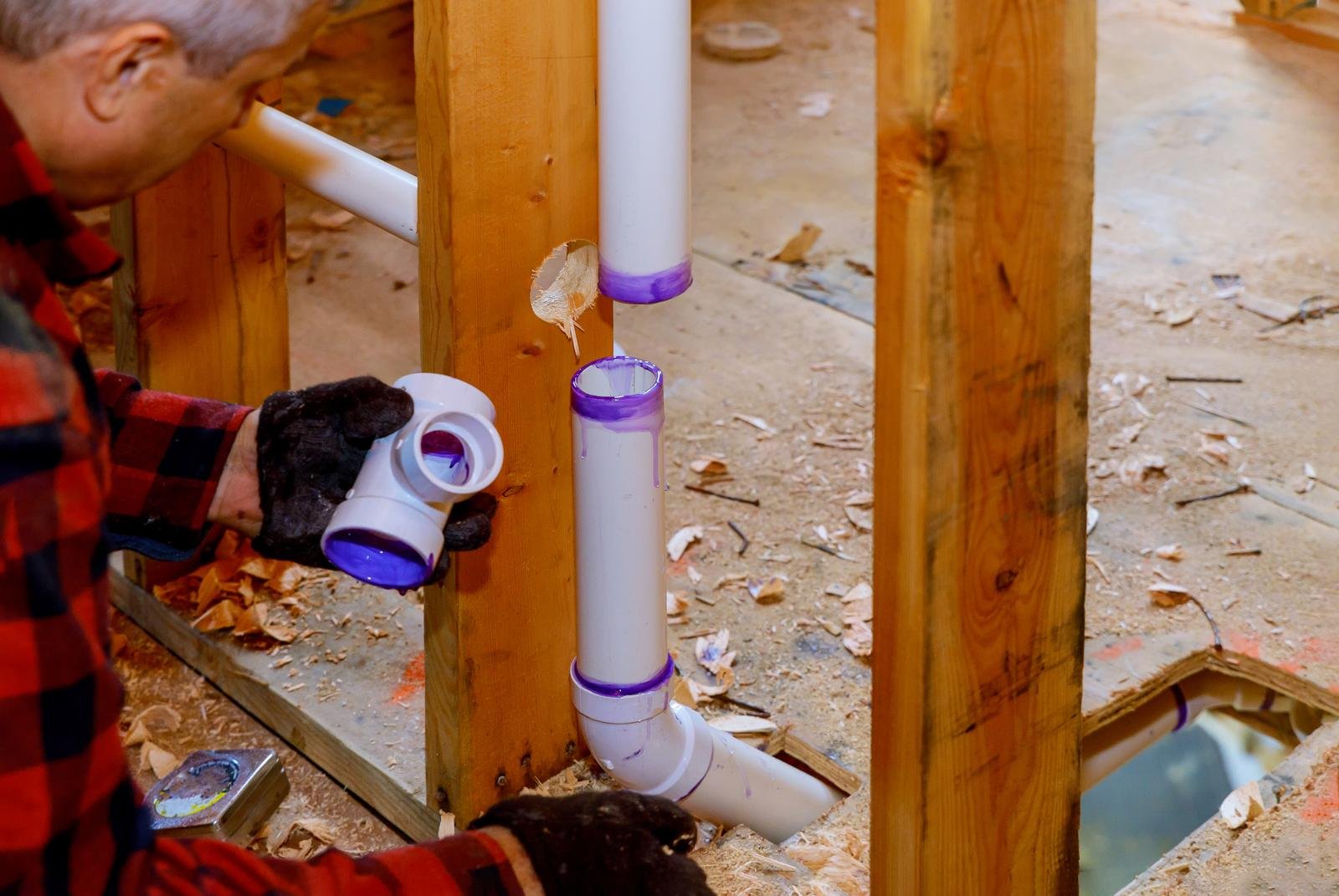
Utility Planning
- Position bathrooms together.
- Minimize pipe lengths.
- Install plenty of electrical outlets.
- Include smart-home wiring if desired.
Bonus Tip: Add more outlets than you think you’ll need. Trust me—you’ll thank yourself later.
Step 9: Finish the Interior
Now the fun really begins.
Drywall, flooring, cabinets, lighting, and paint completely transform the industrial shell.
Interior Design Ideas
- Warm wood finishes
- White walls for brightness
- Black metal fixtures
- Large mirrors
- Floating shelves
Bonus Tip: Keep colors light if your rooms feel narrow. Bright finishes create a much larger visual space.
Step 10: Complete the Exterior
The outside matters just as much as the inside.
Many homeowners leave exposed steel for an industrial look. Others install wood siding, fiber cement panels, or modern composite cladding.
Exterior Upgrades
- Wood cladding
- Covered porch
- Deck
- Pergola
- Landscaping
- Solar panels
Bonus Tip: Landscaping softens the industrial appearance beautifully. Even simple plants make a huge difference.
Common Mistakes to Avoid
Nobody gets everything perfect the first time.
Avoid these expensive mistakes:
- Buying damaged containers
- Ignoring permits
- Underestimating insulation
- Forgetting ventilation
- Poor drainage planning
- Weak foundations
- Skipping structural engineering
- Cutting walls without reinforcement
Remember: A little planning prevents very expensive surprises.
Estimated Cost to Build a Container Home
Your budget depends on location, finishes, labor, and design complexity.
Typical ranges include:
| Home Size | Estimated Cost |
|---|---|
| Small Studio | $30,000–$60,000 |
| One Bedroom | $60,000–$100,000 |
| Family Home | $100,000–$250,000+ |
Luxury finishes increase costs quickly, but careful planning helps control spending.
Frequently Asked Questions
Are container homes safe?
Yes. Proper engineering creates extremely durable homes capable of handling harsh weather.
Do container homes rust?
They can if you neglect maintenance. Quality paint and routine inspections prevent most problems.
How long do container homes last?
A well-built container home can easily last 40–60 years or more with regular maintenance.
Can I build one myself?
Many people complete portions themselves. However, most projects still require licensed professionals for structural work, plumbing, and electrical systems.
Final Thoughts
Building your own container home takes patience, planning, and a healthy respect for steel. It also gives you the chance to create a home that reflects your personality instead of settling for something ordinary.
Start with a clear plan, follow your local building regulations, invest in quality materials, and never rush the structural work. Those decisions make the biggest difference in the final result.
Who knows? A few years from now, you might sit on your own container home’s deck, coffee in hand, smiling because you turned a giant steel box into your dream house. That’s a pretty satisfying feeling if you ask me.