How to Make a Dark Yellow with Paint (Easy Color Mixing Guide for Beginners)
How to Make a Dark Yellow with PainBright yellow looks cheerful, but sometimes it’s just… too cheerful. If you’re painting furniture, walls, artwork, or crafts, you might need a deeper, richer yellow instead of something that screams “highlighter.”
I’ve run into this problem more times than I’d like to admit. The first time I tried darkening yellow, I dumped way too much black into it. Let’s just say my beautiful sunshine yellow quickly transformed into something that looked like old mustard left in the fridge. Lesson learned!
The good news? Making dark yellow with paint isn’t difficult once you understand how colors interact. A few small adjustments can completely change the shade without turning it muddy.
Whether you’re working with acrylic, oil, latex, or craft paint, this guide will show you exactly how to create beautiful dark yellow tones.
Table of Contents
Understanding What “Dark Yellow” Really Means
Before grabbing random paint bottles, let’s clear something up.
Dark yellow isn’t simply yellow mixed with black.
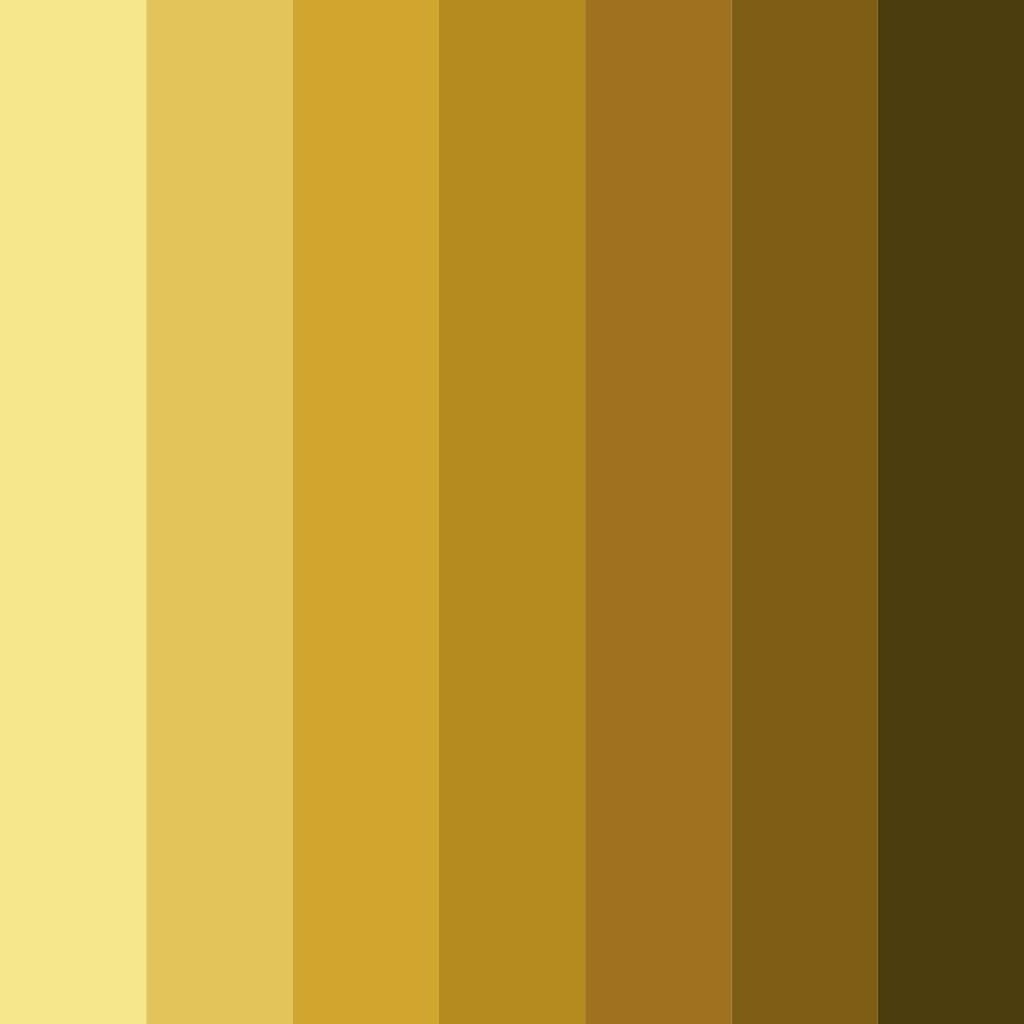
Instead, it usually falls somewhere between classic yellow and earthy gold. Think about colors like:
- Golden yellow
- Mustard yellow
- Honey yellow
- Ochre
- Harvest yellow
- Antique yellow
These colors keep yellow as the dominant hue while adding depth and warmth.
Ever wondered why professional painters rarely use straight black to darken colors? Because black quickly dulls vibrant pigments and creates muddy results.
Instead, experienced artists usually adjust the color temperature first before changing the value.
Why Color Theory Makes Mixing Easier
Understanding one simple concept saves a lot of frustration.
Yellow naturally sits among the lightest colors on the color wheel. That means it reaches darkness much faster than colors like blue or red.
When you darken yellow, your goal isn’t making it gray.
Your goal is adding warm depth while keeping its yellow personality alive.
Think of it like cooking.
Too much salt ruins dinner.
Too much black ruins yellow.
Small adjustments always win.
FYI: I always mix tiny amounts first. Paint costs money, and wasting half a bottle because one squeeze got out of hand feels pretty painful.
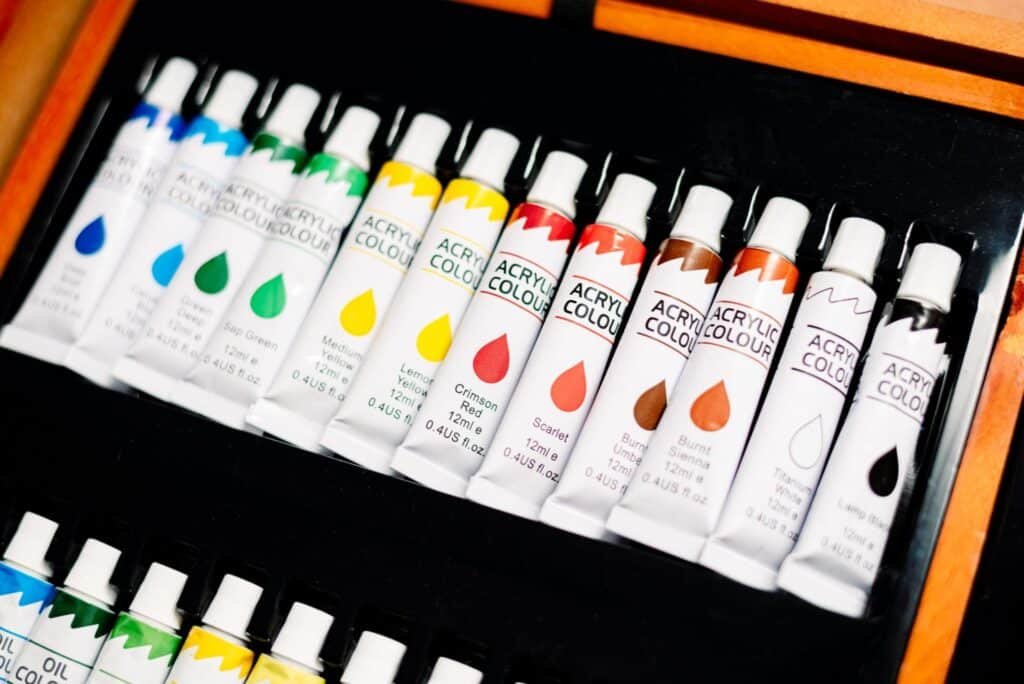
Materials You’ll Need
Fortunately, you don’t need expensive supplies.
Basic Materials
- Yellow paint
- Brown paint
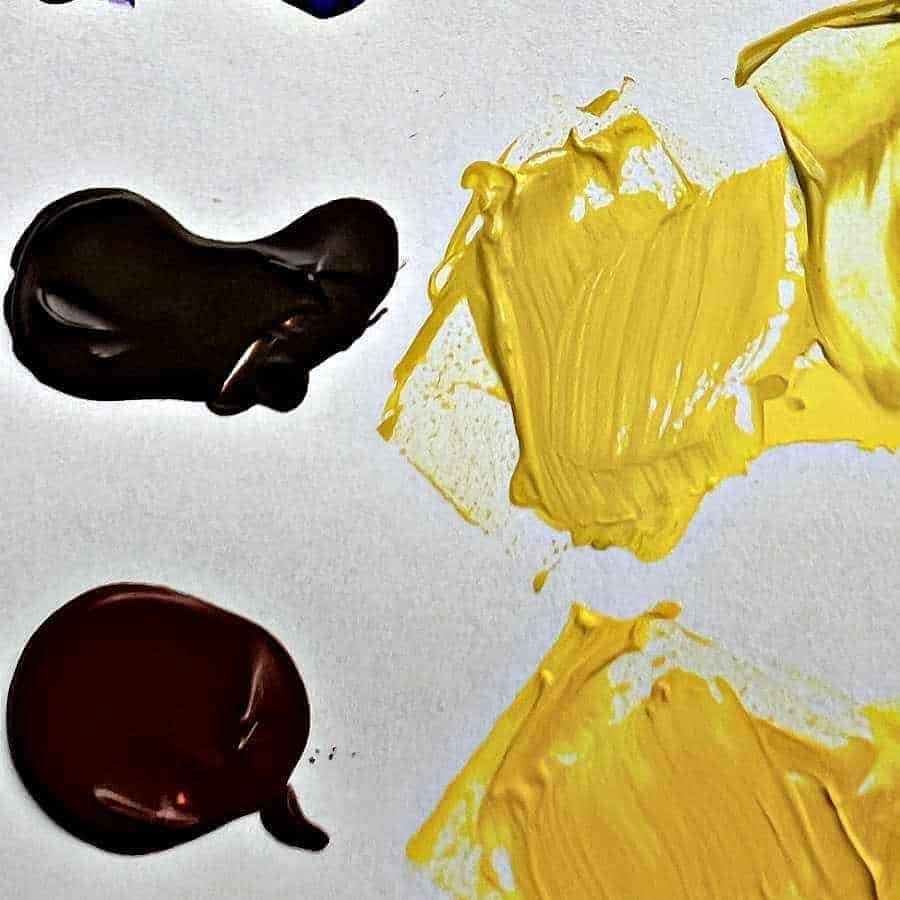
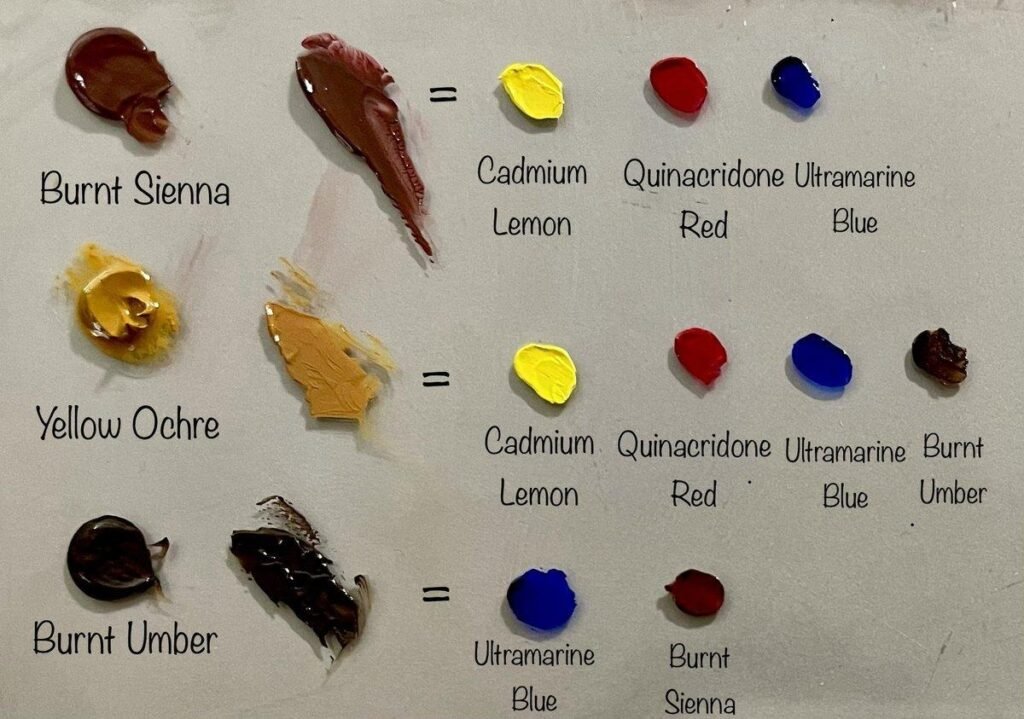
- Burnt Umber
- Raw Umber
- Orange paint
- Burnt Sienna
- Tiny amount of black paint
- White paint
- Palette
- Palette knife or brush
- Scrap paper or test board
Tip: Always test your color on a separate surface before applying it to your final project.
Paint almost always dries slightly differently than it looks while wet.
Best Paint Colors for Making Dark Yellow
Not every yellow behaves the same way.
Some naturally lean toward orange, while others lean toward green.
Here’s a quick comparison.
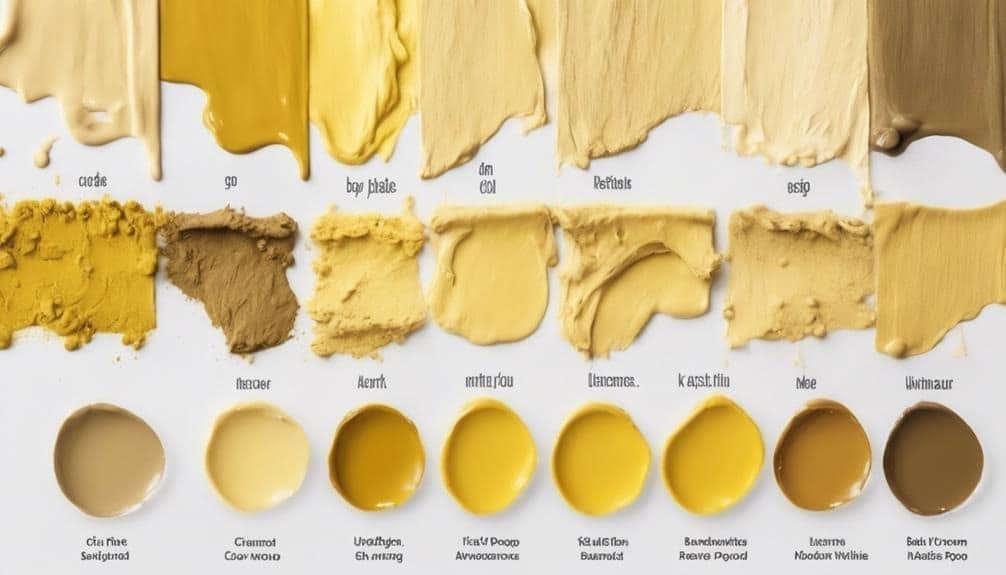
| Yellow Color | Result After Darkening | Best Uses |
| Lemon Yellow | Slight olive if overmixed | Modern art |
| Primary Yellow | Rich golden yellow | Crafts |
| Cadmium Yellow Medium | Warm mustard | Furniture |
| Cadmium Yellow Deep | Deep golden tone | Home décor |
| Indian Yellow | Beautiful antique yellow | Fine art |
Personally, Cadmium Yellow Medium gives the easiest and most forgiving results.
It stays vibrant even after adding darker colors.
1. Mix Yellow with a Tiny Amount of Brown
Adding brown remains one of the easiest ways to create a beautiful dark yellow. Start with mostly yellow paint and mix in just a tiny dab of brown using a palette knife or brush. Stir slowly and watch the color deepen into a warm golden shade. This method keeps the paint rich instead of muddy, making it perfect for home décor, crafts, and canvas paintings. Whenever I want a cozy autumn-inspired color, I almost always reach for brown first because it gives predictable, attractive results.
Styling & Pairing Tips
- Pair dark yellow with white for a fresh contrast.
- Combine it with sage green for a natural look.
- Use charcoal gray accents for a modern finish.
- Match with warm wood tones to create a cozy feel.
Bonus Tip: Burnt Umber usually creates a softer, richer dark yellow than standard brown paint. Add it little by little for the smoothest result.
2. Add Burnt Sienna for a Warm Golden Yellow
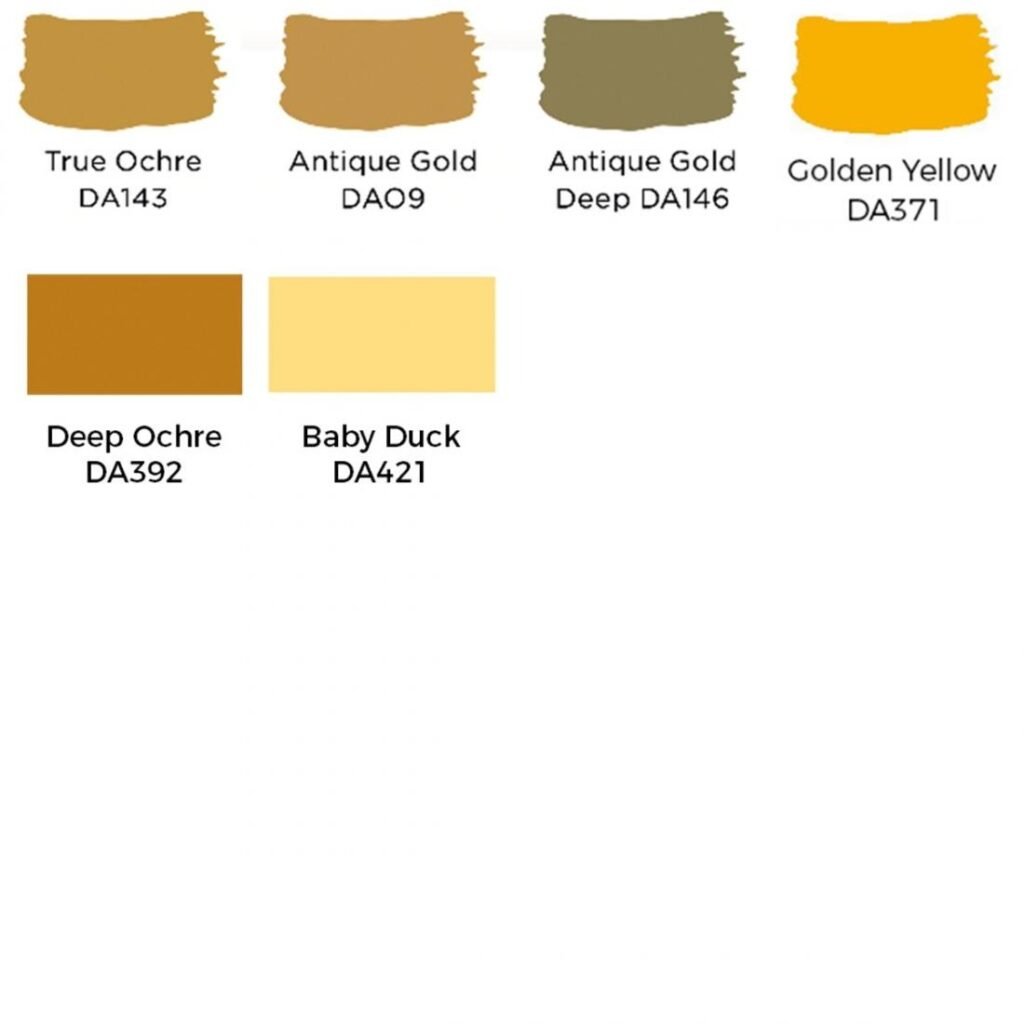
Burnt Sienna adds warmth without overwhelming the yellow. It creates a gorgeous golden color that works beautifully for vintage furniture, rustic signs, and landscape paintings. Mix about ten parts yellow with one small part Burnt Sienna, then adjust gradually until you reach the shade you want. This technique feels much more forgiving than using black because the paint stays lively and vibrant instead of turning dull.
Styling & Pairing Tips
- Pair with cream-colored furniture.
- Add dark walnut wood for warmth.
- Combine with terracotta accessories.
- Use matte finishes for a softer appearance.
Bonus Tip: If your mixture becomes slightly orange, add a little more yellow instead of white. White can reduce the richness of the color.
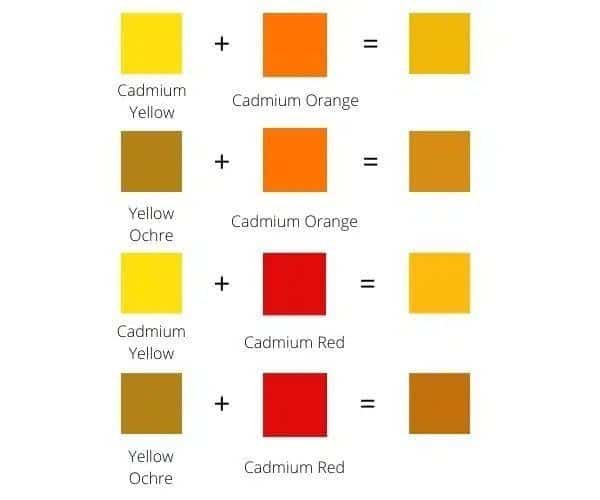
3. Create Mustard Yellow with Yellow and Orange
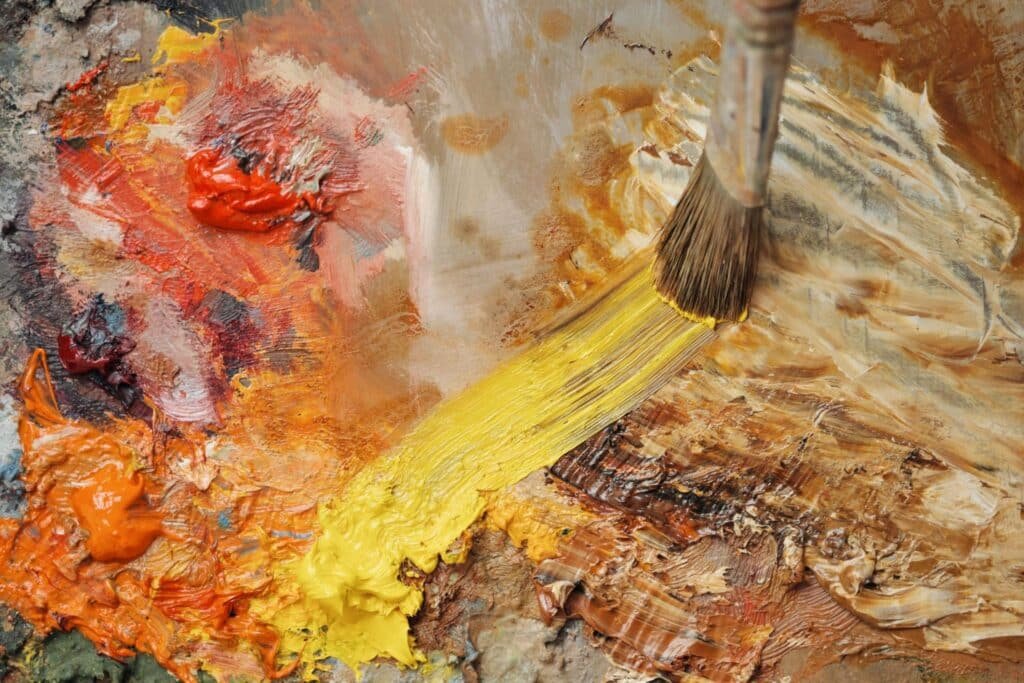
Many people assume mustard yellow needs brown, but orange actually plays an important role. Start with yellow paint and mix in a small amount of orange before adding a tiny touch of brown if needed. The orange strengthens the warmth while the brown adds depth. The final shade looks rich and welcoming without appearing overly bright. Ever noticed how mustard yellow makes vintage décor feel timeless? That’s exactly why designers love it.
Styling & Pairing Tips
- Pair with navy blue.
- Match with black metal accents.
- Combine with olive green.
- Add natural linen fabrics.
Bonus Tip: Less orange creates golden yellow, while more orange creates mustard yellow. Make small adjustments until you find the perfect balance.
4. Use Raw Umber for an Earthy Dark Yellow
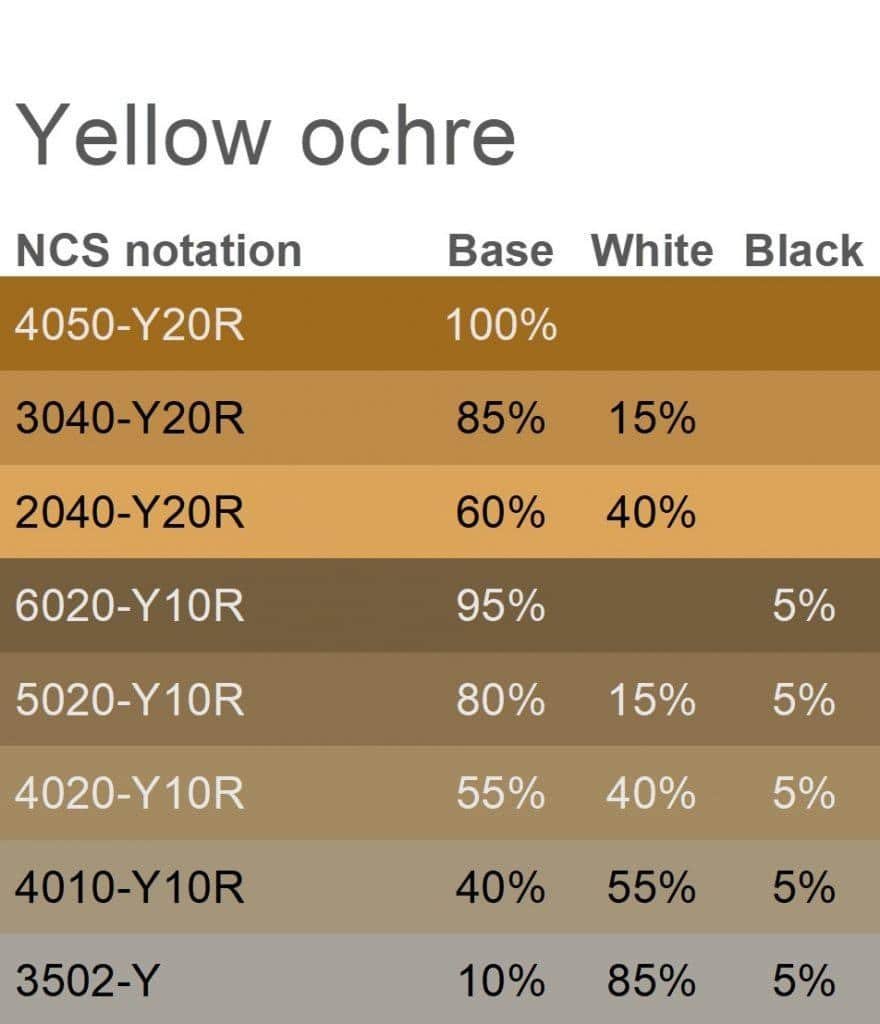
Raw Umber gives yellow a softer, earthier appearance than Burnt Umber. It works especially well for farmhouse projects, textured paintings, and decorative finishes because it tones down brightness without making the color feel lifeless. Mix carefully, checking the color after every small addition. IMO, this combination creates one of the most elegant dark yellows for interior décor because it feels natural rather than overly saturated.
Styling & Pairing Tips
- Pair with beige walls.
- Combine with wicker furniture.
- Match with soft green plants.
- Use brass hardware for extra warmth.
Bonus Tip: Add a tiny amount of white after mixing if you want a muted vintage appearance while keeping the earthy tone.
5. Darken Yellow with a Tiny Touch of Black (Use Carefully!)
Yes, you can use black, but only if you treat it like hot sauce. A tiny speck goes a very long way. Mix plenty of yellow paint first, then touch the brush lightly into black before blending it thoroughly. Check the color after every stroke because black quickly overpowers yellow. I learned this the hard way, and my “golden yellow” instantly became an odd olive shade. Not exactly the masterpiece I imagined.
Styling & Pairing Tips
- Test every mixture on scrap paper first.
- Keep extra yellow nearby for corrections.
- Mix thoroughly before judging the color.
- Avoid adding more black until the previous amount fully blends.
Bonus Tip: If the color turns muddy, don’t keep adding more black. Add fresh yellow instead and remix gradually to restore warmth.
6. Mix Yellow with Yellow Ochre for a Natural Dark Yellow
If you want the easiest shortcut, Yellow Ochre deserves a spot at the top of your paint shelf. Since it already contains earthy pigments, it naturally deepens bright yellow without making it look muddy. Mix about three parts bright yellow with one part Yellow Ochre, then adjust until you reach the perfect shade. I often use this combination when painting wooden signs or vintage-style artwork because it creates a rich, timeless color that looks professional with very little effort.
Styling & Pairing Tips
- Pair with warm white walls for a soft contrast.
- Combine with olive green décor for a natural palette.
- Match with medium-toned wood furniture.
- Add matte black accents for a modern farmhouse style.
Bonus Tip: Yellow Ochre dries slightly darker than it looks when wet. Always let a sample dry completely before mixing a large batch.
7. Blend Yellow with Burnt Umber for a Rich Harvest Shade
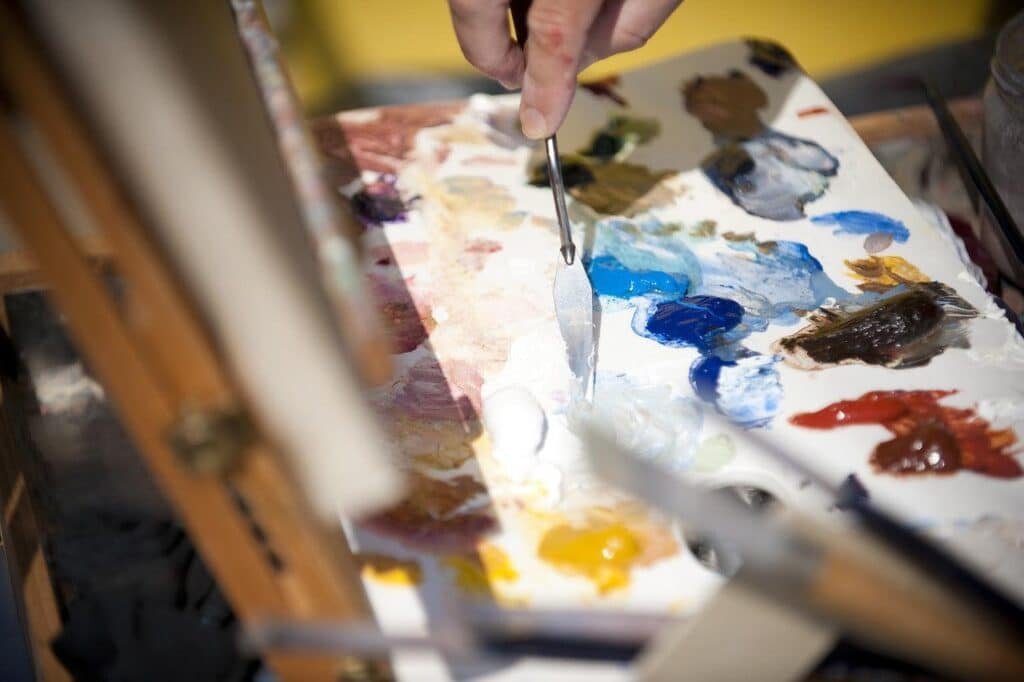
Burnt Umber creates one of the richest dark yellows you’ll ever mix. Unlike black, it adds warmth along with depth, so the final color stays vibrant. Begin with plenty of yellow paint, then slowly add Burnt Umber using the tip of your palette knife. The result reminds me of autumn leaves, golden wheat fields, and cozy home décor. Honestly, it’s one of those colors that instantly makes a room feel warm and inviting.
Styling & Pairing Tips
- Pair with rust-colored accessories.
- Combine with deep brown wood furniture.
- Match with cream textiles.
- Use bronze or copper décor for extra warmth.
Bonus Tip: If your mixture looks too brown, simply add more yellow instead of white. Yellow restores brightness without washing out the richness.
8. Create Antique Gold by Mixing Yellow, Brown, and a Hint of Red
Want a color that feels elegant instead of ordinary? Try adding a tiny touch of red after you’ve already mixed yellow and brown. The red introduces subtle warmth that transforms dark yellow into a gorgeous antique gold. Don’t overdo it, though. One tiny dab usually does the trick. Too much red quickly pushes the mixture toward orange, and suddenly you’re wondering where your beautiful yellow disappeared.
Styling & Pairing Tips
- Pair with dark navy blue.
- Combine with emerald green accents.
- Match with vintage brass hardware.
- Use on decorative furniture pieces.
Bonus Tip: This mixture works beautifully on picture frames, cabinets, and DIY home décor projects where you want a luxurious finish without using metallic paint.
9. Adjust the Shade with White After Darkening
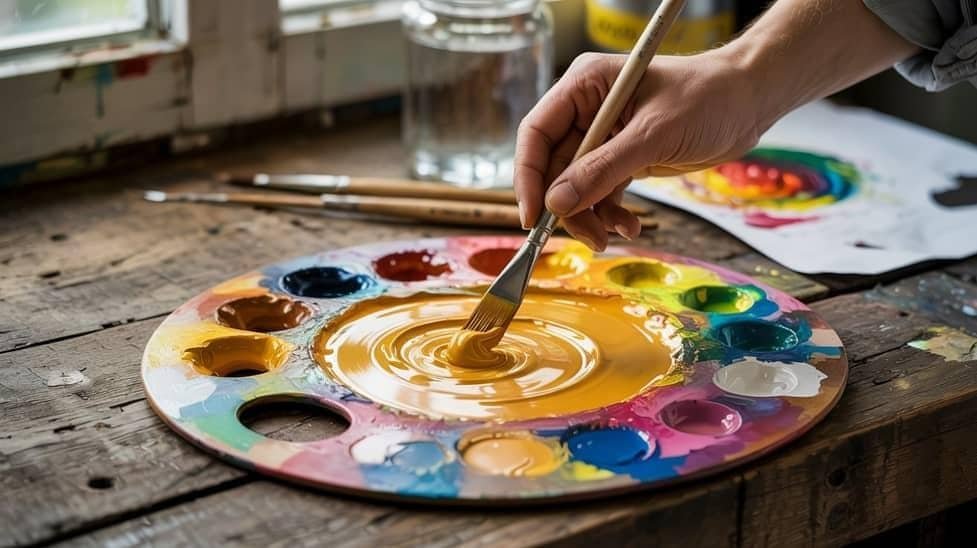
Many beginners skip this step, but white can help after you’ve already darkened yellow correctly. Notice the order there? Darken first, then lighten if needed. Adding white at the beginning often creates a pastel color instead of the rich tone you’re aiming for. I like using this trick when painting furniture because it softens bold colors while keeping their warm character intact.
Styling & Pairing Tips
- Pair with light gray walls.
- Combine with natural oak furniture.
- Match with woven baskets.
- Add soft linen curtains.
Bonus Tip: Choose Titanium White if you want strong coverage, or Zinc White if you prefer subtle adjustments.
10. Test Small Batches Before Mixing a Large Amount
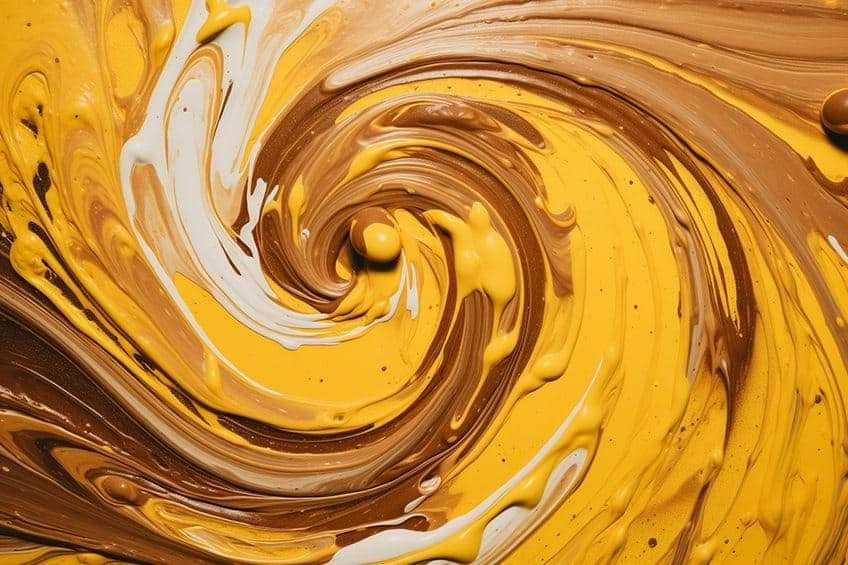
This idea sounds simple, but it saves more frustration than almost anything else. Mix small samples first, label them if needed, and let each one dry completely. Paint changes slightly as it cures, especially acrylics and latex paints. Spending five extra minutes testing colors beats repainting an entire wall because the final shade looked completely different than expected. Trust me, your future self will appreciate the extra patience.
Styling & Pairing Tips
- Paint sample boards instead of guessing.
- Label every color recipe.
- Compare samples in natural daylight.
- Keep leftover test cards for future projects.
Bonus Tip: Take a photo of successful paint recipes on your phone. You’ll thank yourself months later when you need the exact same color again.
Common Mistakes to Avoid When Making Dark Yellow
Even experienced painters make mistakes while mixing colors. The good news? Most of them are easy to avoid.
1. Adding Too Much Black
Black quickly overwhelms yellow.
Instead, use:
- Burnt Umber
- Raw Umber
- Burnt Sienna
- Yellow Ochre
These colors produce much richer results.
2. Mixing Too Fast
Slow mixing helps you notice subtle color changes.
Take your time.
One extra minute now saves an hour later.
3. Ignoring Dry Time
Paint almost always changes slightly after drying.
Always let your sample dry before deciding it needs another adjustment.
4. Using Dirty Brushes
Residual paint creates unexpected colors.
Clean your brush every time you switch pigments.
Your yellow deserves better than surprise blue streaks.
5. Mixing Huge Quantities Immediately
Start small.
Once you’re happy with the color, recreate the same ratio in a larger batch.
Which Paint Type Works Best?
Not every paint behaves the same during mixing.
| Paint Type | Mixing Quality | Best For |
| Acrylic Paint | Excellent | Crafts, canvas, furniture |
| Oil Paint | Excellent | Fine art |
| Latex Paint | Very Good | Interior walls |
| Chalk Paint | Good | Vintage furniture |
| Craft Paint | Good | Small DIY projects |
Personally, I enjoy working with acrylic paint because it mixes smoothly and dries quickly. Plus, if I accidentally create an awful color—yes, it still happens occasionally—I don’t have to wait all day before trying again.
Expert Tips for Consistent Results
Want your paint mixtures to look professional every single time?
Keep these habits in mind:
- Measure your paint ratios whenever possible.
- Mix under natural daylight for accurate color.
- Record successful recipes in a notebook.
- Use a palette knife instead of a brush for smoother blending.
- Mix extra paint if you’re covering a large surface.
- Store leftover paint in airtight containers.
- Stir thoroughly before every use.
- Test on the actual surface instead of relying only on the palette.
One habit changed everything for me: I started writing down my paint ratios. It felt a little obsessive at first, but after trying to recreate the same shade months later, I realized those notes were absolute lifesavers.
Best Color Combinations with Dark Yellow
Once you’ve mixed the perfect dark yellow, the next question becomes, “What colors actually look good with it?”
Here are some of my favorite combinations:
| Dark Yellow + | Creates |
| Navy Blue | Elegant contrast |
| Olive Green | Natural warmth |
| Charcoal Gray | Modern style |
| Cream White | Soft classic look |
| Terracotta | Rustic charm |
| Dark Brown | Cozy traditional décor |
| Forest Green | Earthy richness |
| Black | Bold contemporary finish |
These combinations work beautifully for home décor, furniture makeovers, artwork, and accent walls.
Frequently Asked Questions
Can I make dark yellow using only black and yellow?
Technically, yes—but I don’t recommend it unless you have no other option.
Black quickly dulls yellow and often creates an olive or muddy shade instead of a rich golden yellow. If you’ve ever wondered why your paint suddenly looks “off,” black is usually the culprit.
For a warmer and more natural result, try mixing yellow with:
- Burnt Umber
- Raw Umber
- Yellow Ochre
- Burnt Sienna
These colors preserve yellow’s warmth while adding beautiful depth.
What ratio should I use?
There isn’t one perfect formula because every paint brand uses different pigments.
A good starting point is:
- 10 parts yellow
- 1 part brown or Burnt Umber
Mix thoroughly, then adjust gradually.
Remember, it’s much easier to darken paint than it is to brighten it again.
Why does my dark yellow look muddy?
Muddy paint usually happens because too many colors ended up in the mixture.
Common causes include:
- Adding too much black
- Mixing complementary colors accidentally
- Using a dirty brush
- Overmixing several pigments together
Whenever my paint starts looking muddy, I stop immediately and add fresh yellow instead of piling on more colors. Surprisingly, that simple fix works more often than you’d expect.
Can I use food coloring instead of paint pigments?
No.
Food coloring works well for frosting, icing, resin experiments, and slime, but it won’t properly tint acrylic, latex, or oil paint.
Always use compatible paint pigments for reliable results.
Which yellow paint works best?
Several yellow paints produce excellent dark yellow shades.
Some favorites include:
- Cadmium Yellow Medium
- Cadmium Yellow Deep
- Primary Yellow
- Indian Yellow
- Yellow Ochre (if you already want a muted tone)
If I had to recommend just one, I’d choose Cadmium Yellow Medium. It balances warmth and brightness, making it incredibly easy to customize.
Can I make mustard yellow instead?
Absolutely.
Mustard yellow is simply another version of dark yellow.
To create it:
- Start with yellow.
- Add a little orange.
- Mix in a tiny amount of brown.
- Adjust with more yellow if needed.
The result looks warm, vintage, and perfect for home décor, furniture, and artwork.
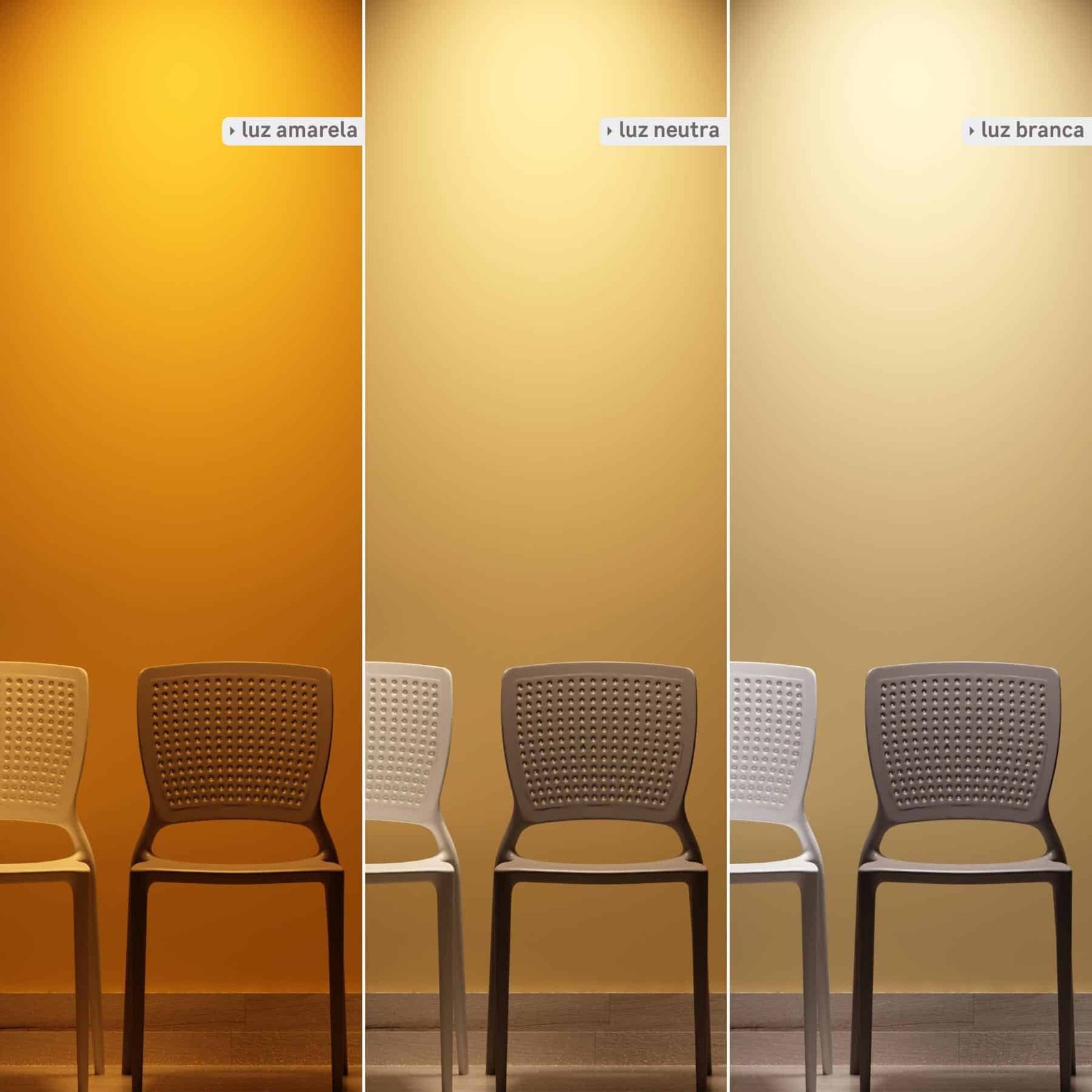
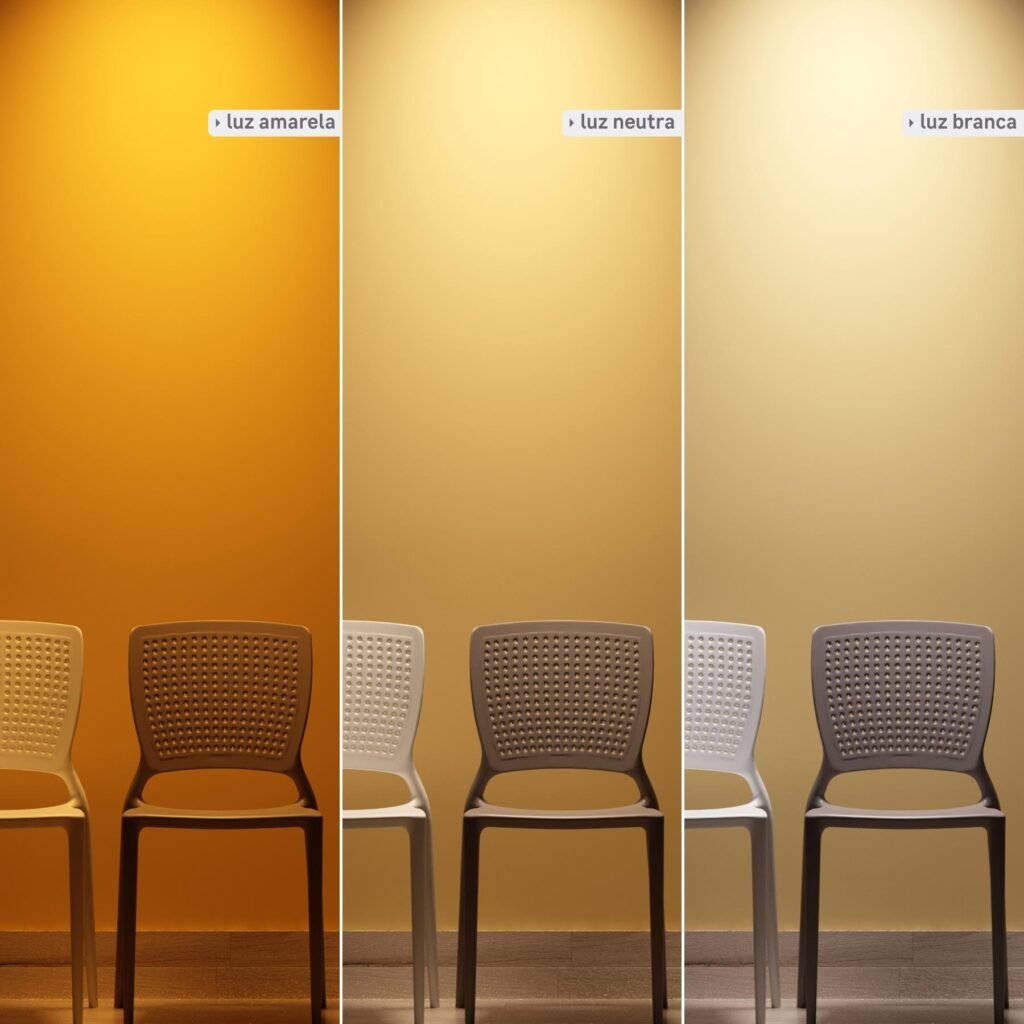
How Different Lighting Affects Dark Yellow
Here’s something many beginners overlook: lighting changes how your paint looks.
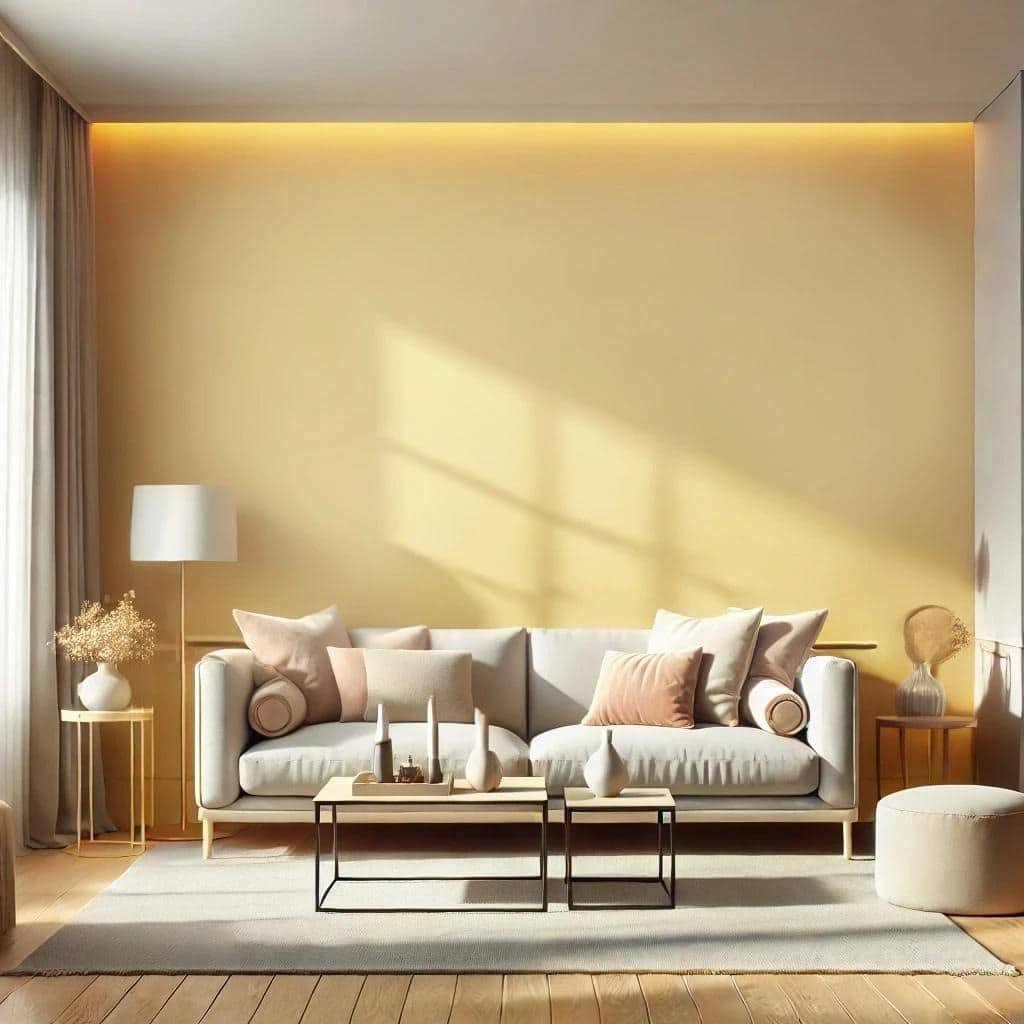
A color that appears perfect in your workshop may look completely different once it’s on the wall.
Natural Daylight
Natural daylight reveals the truest version of your paint color. Whenever possible, check your sample near a window before making a final decision.
Warm Indoor Lighting
Warm bulbs make dark yellow appear:
- Richer
- More golden
- Slightly deeper
This effect works wonderfully in cozy living rooms and bedrooms.
Cool White Lighting
Cool LEDs can make yellow look:
- Paler
- Less saturated
- Slightly greenish
That’s why I always carry my sample board around the room before committing. It may look a little funny, but it beats repainting an entire wall later!
Where Dark Yellow Paint Works Best
One reason I enjoy mixing dark yellow is its versatility. It adds warmth without overpowering a space.
Here are some of my favorite uses:
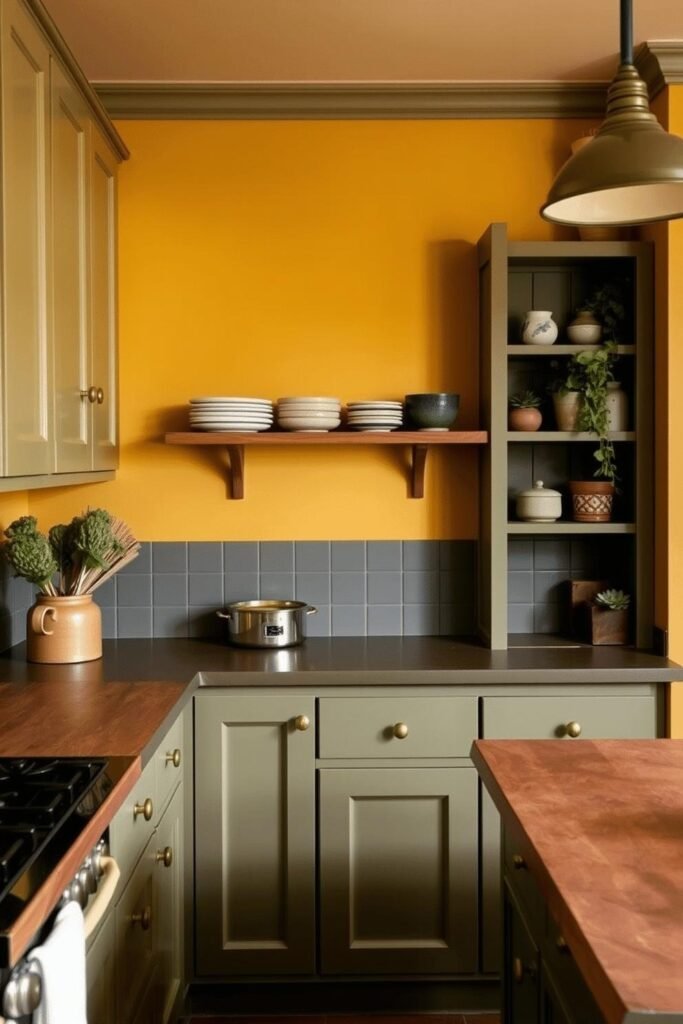
Home Décor
Dark yellow creates a cozy atmosphere in:
- Living rooms
- Reading nooks
- Entryways
- Dining rooms
Furniture Makeovers
Paint old furniture with a rich golden yellow to give it fresh personality.
Popular projects include:
- Dressers
- Side tables
- Cabinets
- Shelves
- Wooden stools
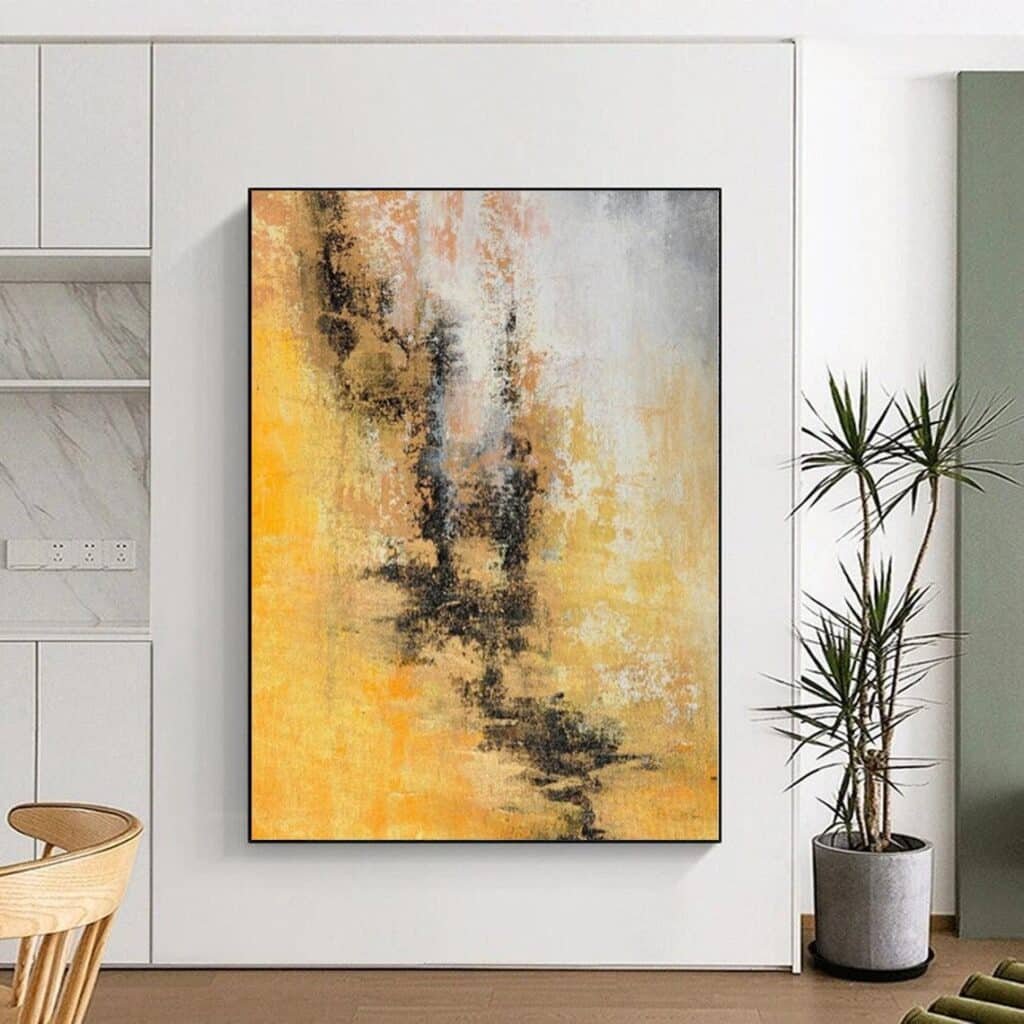
Canvas Paintings
Artists often use dark yellow for:
- Autumn landscapes
- Wheat fields
- Sunsets
- Floral paintings
- Vintage artwork
DIY Crafts
Dark yellow also looks fantastic on:
- Wooden signs
- Flower pots
- Picture frames
- Seasonal decorations
- Holiday crafts
Ever notice how one warm color can completely change the mood of a project? Dark yellow has that magic.
Quick Color Mixing Cheat Sheet
Save this guide for your next painting session.
| Desired Shade | Mix This |
| Golden Yellow | Yellow + Burnt Sienna |
| Mustard Yellow | Yellow + Orange + Brown |
| Earthy Yellow | Yellow + Raw Umber |
| Harvest Yellow | Yellow + Burnt Umber |
| Antique Yellow | Yellow + Brown + Tiny Red |
| Soft Warm Yellow | Dark Yellow + Small Amount of White |
Keeping this table nearby saves time and helps you recreate your favorite shades consistently.
Professional Color-Mixing Secrets
After years of painting furniture, crafts, and decorative pieces, I’ve picked up a few habits that make a noticeable difference.
Mix More Than You Think You’ll Need
Nothing feels worse than running out of the perfect color halfway through a project.
Always mix a little extra.
Write Down Every Formula
Keep a notebook with recipes like:
- 10 Yellow : 1 Burnt Umber
- 8 Yellow : 1 Burnt Sienna
- 12 Yellow : ½ Brown
Future you will be grateful.
Use a Palette Knife
A palette knife blends paint more evenly than a brush and prevents streaks.
Work Slowly
Color mixing isn’t a race.
Adding tiny amounts gives you complete control over the final shade.
Keep Your Palette Clean
Old paint can sneak into your mixture and alter the color.
A clean palette equals cleaner, brighter results.
Final Thoughts
Making dark yellow with paint isn’t complicated once you understand a few basic color-mixing principles. Instead of relying on black, focus on warm pigments like Burnt Umber, Raw Umber, Burnt Sienna, and Yellow Ochre to create rich, beautiful shades that maintain yellow’s natural warmth.
Remember to mix gradually, test every batch, and check your samples under different lighting conditions before painting your final project. Those small steps can make the difference between a muddy disappointment and a stunning golden finish.
Whether you’re refreshing old furniture, creating artwork, decorating your home, or tackling a fun DIY craft, a well-mixed dark yellow adds warmth, character, and timeless appeal. Don’t worry if your first attempt isn’t perfect—I certainly had a few “what on earth did I just create?” moments myself. Every paint mix teaches you something new.
So grab your palette, experiment with confidence, and enjoy the process. You might discover a custom shade that becomes your new favorite. Happy painting!