How to Make Beige Color Paint (DIY Guide for the Perfect Warm Neutral)
Beige might look like one of the simplest paint colors ever created, but don’t let that fool you. Getting the perfect beige takes a little balance, a little patience, and just enough restraint to avoid turning your masterpiece into something that resembles yesterday’s oatmeal. (We’ve all been there… or at least I have.)
Whether you’re painting a wall, furniture, canvas, or a DIY craft, learning how to make beige color paint gives you complete control over the final shade. You can create warm beige, cool beige, creamy beige, sandy beige, or even rich taupe-inspired beige without buying dozens of paint samples.
I’ve mixed beige more times than I can count for home décor projects and acrylic paintings, and one thing always surprises me: tiny color changes make a huge difference. Add one extra drop of brown and suddenly your soft neutral looks like chocolate milk. Add too much yellow and…well…hello mustard.
Let’s make sure that doesn’t happen.
Table of Contents
What Is Beige Paint?
Beige is a light neutral color that usually combines:
- White
- Brown
- Yellow (optional)
- Tiny touches of red, black, or gray for adjustments
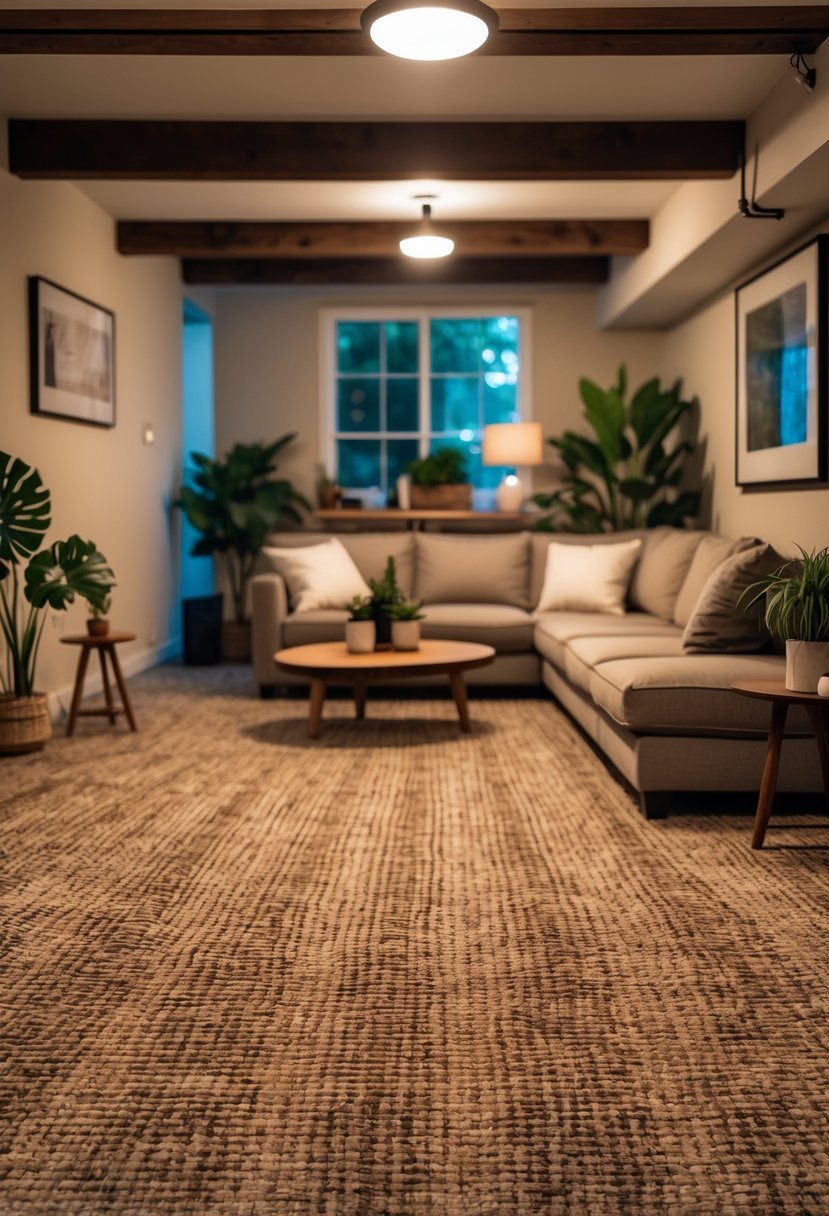
Unlike plain white, beige has warmth and depth. It creates cozy spaces without feeling too dark, which explains why designers use it almost everywhere.
Beige works beautifully on:
- Interior walls
- Furniture
- Cabinets
- Canvas paintings
- Clay crafts
- Wood signs
- Decorative accessories
- DIY home décor
Why Make Your Own Beige Paint?
Ever stood in front of a paint display with 150 shades of beige that somehow all look identical? Then you get home and discover none of them actually match your room.
Making your own paint solves that problem.
Benefits include:
- Perfect color control
- Save money
- Match existing furniture
- Customize warm or cool undertones
- Mix only the amount you need
- Learn color theory while creating something unique
IMO, once you start mixing your own colors, store paint chips suddenly become much less exciting.
Materials You’ll Need
Before mixing anything, gather a few simple supplies.
Paint
- White paint
- Brown paint
- Yellow paint
Optional colors
- Black
- Red
- Gray
- Burnt umber
- Raw sienna
Supplies
- Mixing palette
- Palette knife
- Paintbrush
- Measuring spoon (optional)
- Small containers
- Paper towels
- Scrap paper for testing
The Basic Formula for Beige Paint
Here’s the easiest recipe.
Basic Beige Recipe
- 8 parts white paint
- 1 part brown paint
- ¼ part yellow paint
Mix thoroughly.
If the color feels too warm, add a tiny touch of white.
If it feels too pale, mix another drop of brown.
Always work slowly.
One drop can completely change the shade.
How to Test Your Beige Before Painting
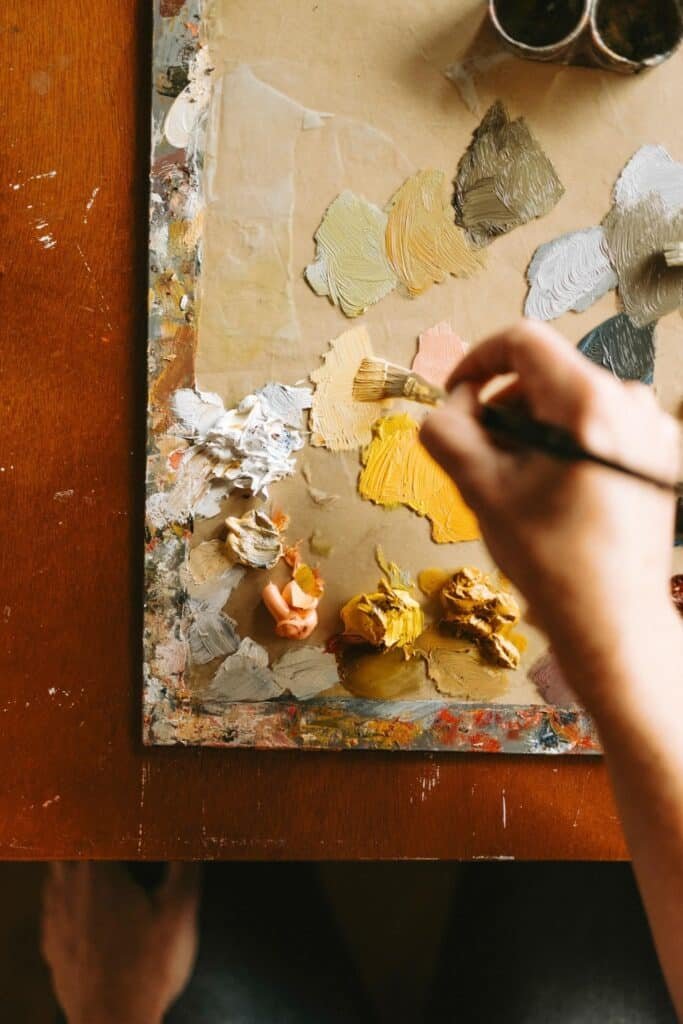
Never judge fresh paint while it’s wet.
Paint always dries slightly darker or lighter depending on the type.
I always paint a small sample first because I’ve learned this lesson the hard way. Nothing feels worse than finishing an entire project only to realize your “warm beige” dried into something suspiciously close to peanut butter.
Test correctly
- Paint a small sample.
- Let it dry completely.
- View it in natural daylight.
- Check it under indoor lighting.
- Adjust if necessary.
Idea 1: Create a Classic Warm Beige
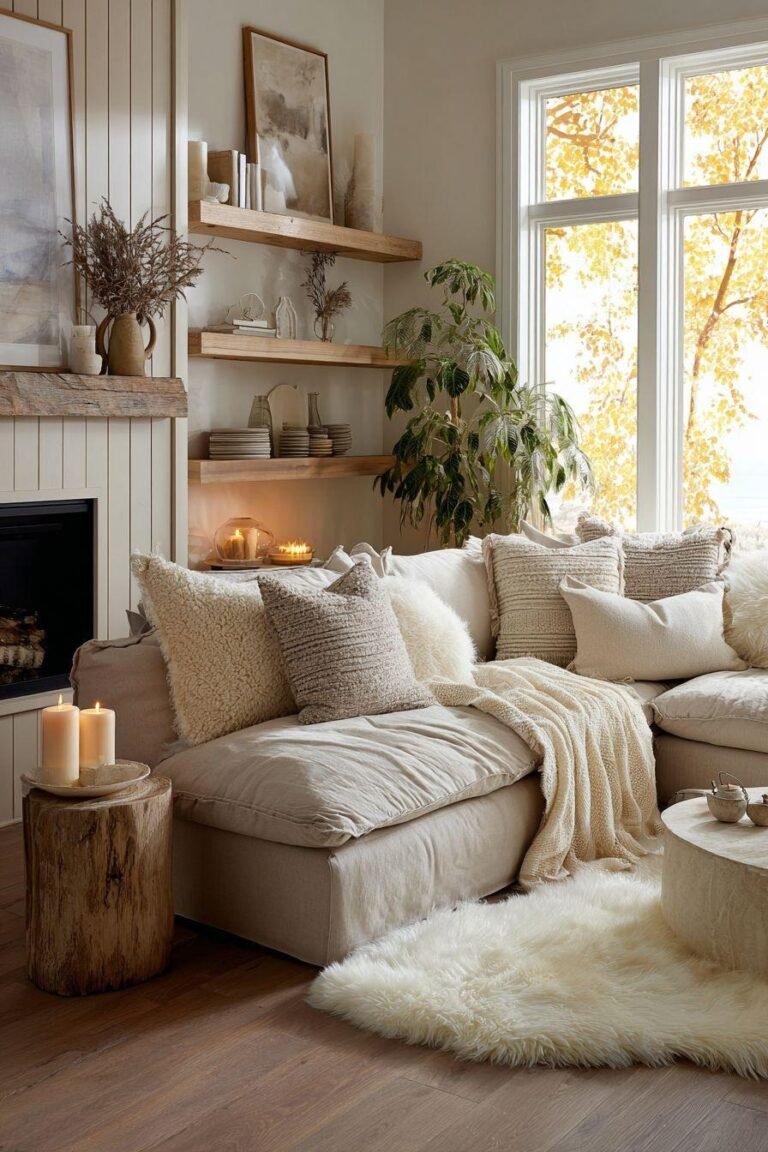
A classic warm beige works almost everywhere. Start with plenty of white paint, then add a small amount of brown followed by just a tiny hint of yellow. The yellow softens the brown and creates that cozy, welcoming tone many homeowners love. I often use this formula for furniture makeovers because it looks timeless instead of trendy. Ever wondered why warm beige feels so inviting? It reflects light gently without looking stark or cold.
Styling Tips
- Pair with white trim for contrast.
- Add natural wood furniture.
- Use linen fabrics.
- Include warm brass accents.
- Decorate with green houseplants.
Bonus Tip: Always add yellow one drop at a time. Too much turns beige into an entirely different color before you even notice.
Idea 2: Make a Soft Creamy Beige
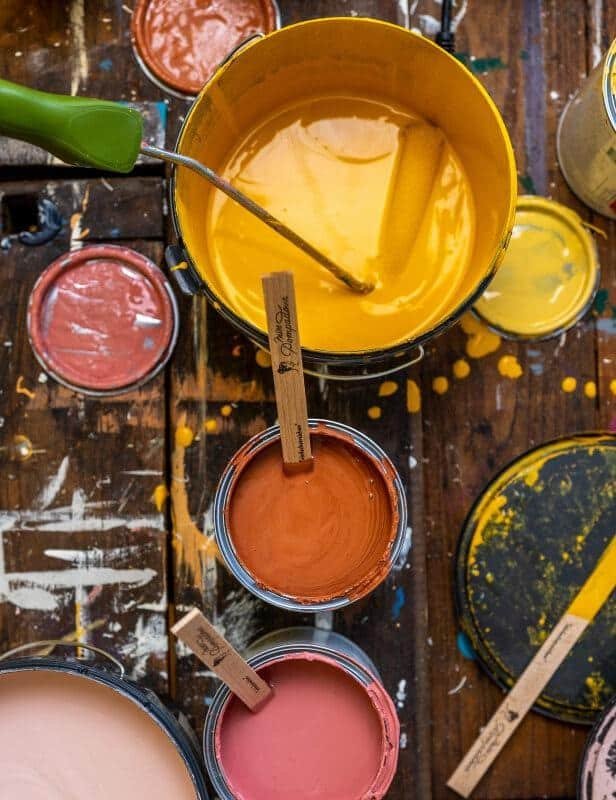
Creamy beige creates a brighter, softer look than traditional beige. Increase the amount of white paint and reduce the brown significantly. You only need the smallest touch of yellow to warm everything up. This version works beautifully in bedrooms, nurseries, and minimalist spaces because it feels airy without becoming plain white. Whenever I repaint shelves, creamy beige usually wins because it hides dust better than bright white. That’s a small victory I’ll happily accept.
Styling Tips
- Pair with light oak wood.
- Combine with soft gray textiles.
- Add cream curtains.
- Use woven baskets.
- Finish with matte black hardware.
Bonus Tip: Test creamy beige beside pure white before painting. The subtle warmth becomes much easier to spot.
Idea 3: Mix a Sandy Beige
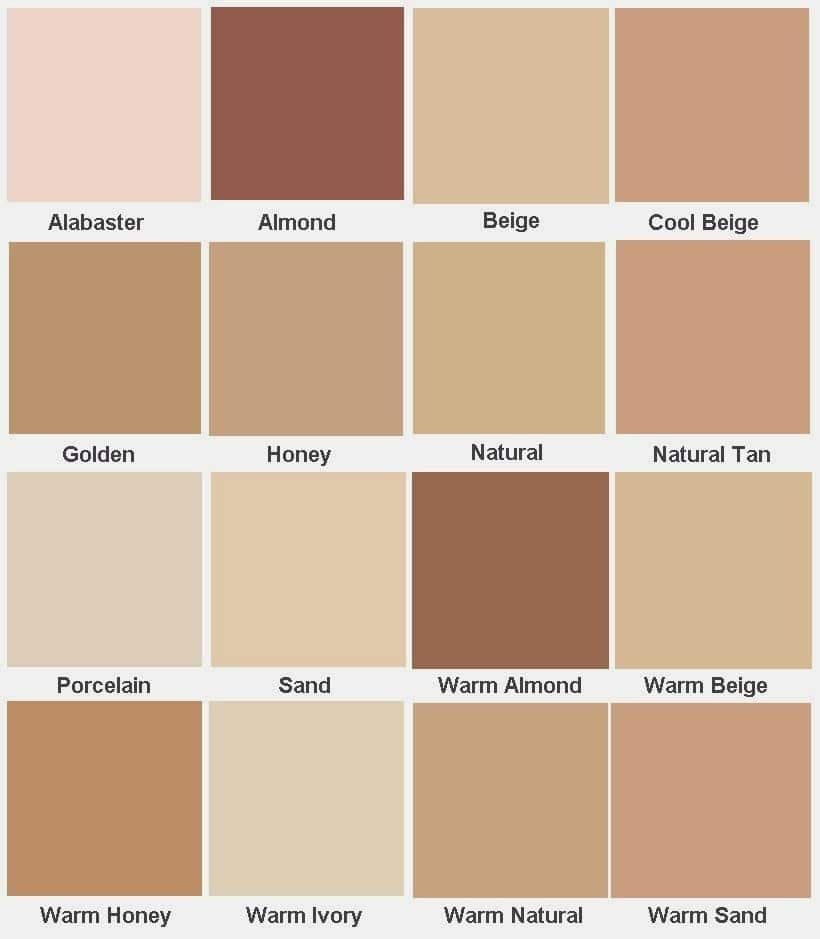
Sandy beige brings coastal vibes without making your room resemble a beach souvenir shop. Mix white, brown, and slightly more yellow than the basic recipe. The extra warmth creates a natural sand-inspired finish that works especially well in living rooms and outdoor décor projects. I like using sandy beige on wooden signs because it complements natural grain beautifully while still adding enough color to stand out.
Styling Tips
- Pair with rattan furniture.
- Add woven rugs.
- Use blue decorative accents.
- Display driftwood pieces.
- Include cotton fabrics.
Bonus Tip: Add a tiny drop of raw sienna if your sandy beige needs a richer, sun-kissed appearance.
Idea 4: Create a Cool Beige
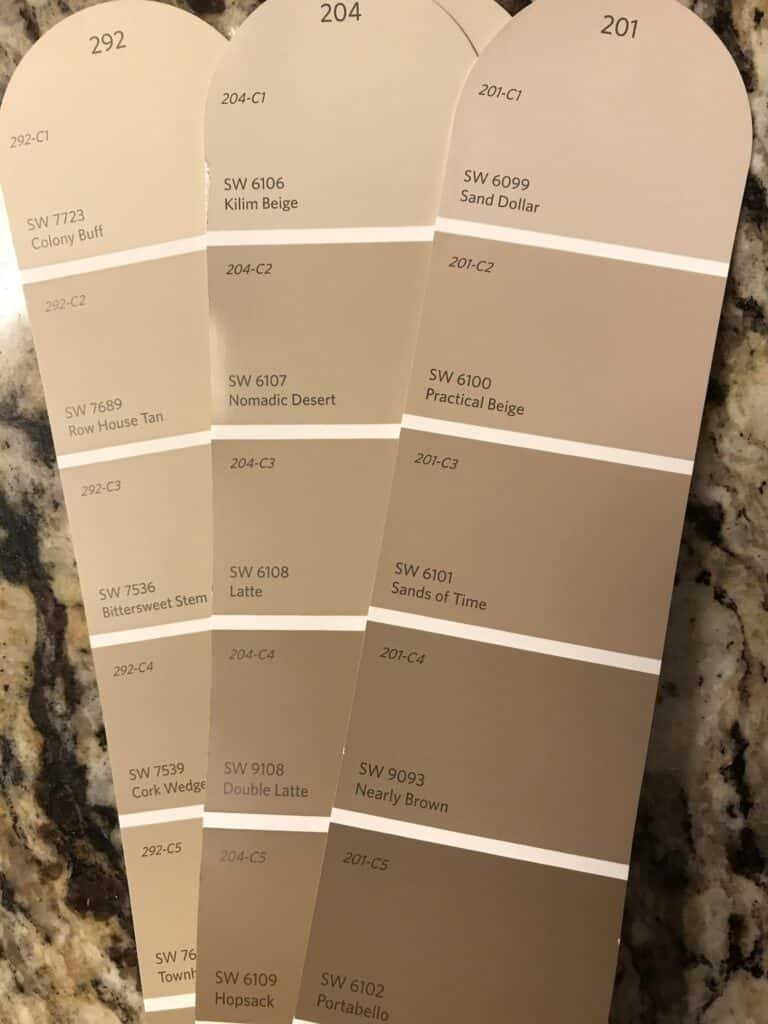
Not every beige has to feel warm. Cool beige offers a cleaner, modern appearance that fits contemporary homes. Start with your basic beige recipe, then mix in the tiniest touch of gray. The gray tones down the warmth without removing the softness completely. This version pairs especially well with modern décor, polished concrete, and sleek furniture. Want a neutral that doesn’t lean yellow? Cool beige might become your new favorite.
Styling Tips
- Pair with charcoal gray furniture.
- Add silver metal finishes.
- Use white artwork.
- Include glass accessories.
- Choose minimalist décor.
Bonus Tip: Gray changes paint quickly, so mix carefully. A little truly goes a long way.
Idea 5: Make a Rich Taupe Beige
If you want something deeper and more elegant, rich taupe beige offers the perfect balance between beige and light brown. Simply increase the brown slightly while keeping plenty of white in the mixture. You can also add the smallest touch of black to deepen the color. I love this shade on cabinets because it hides everyday fingerprints much better than lighter neutrals. FYI, that’s always a bonus in busy homes. 🙂
Styling Tips
- Pair with dark walnut furniture.
- Add gold hardware.
- Use cream upholstery.
- Include textured throw pillows.
- Decorate with ceramic accessories.
Bonus Tip: Mix extra paint once you find the perfect shade. Matching handmade colors later can become surprisingly difficult.
Coming Up in Part 2
In the next part, we’ll cover:
- Ideas 6–10 for creating different beige variations
- How to make beige lighter or darker
- How to fix beige that’s too yellow, too brown, or too gray
- Common paint mixing mistakes to avoid
- Professional color-matching tips for flawless DIY results
Idea 6: Make a Greige (Gray + Beige) Paint
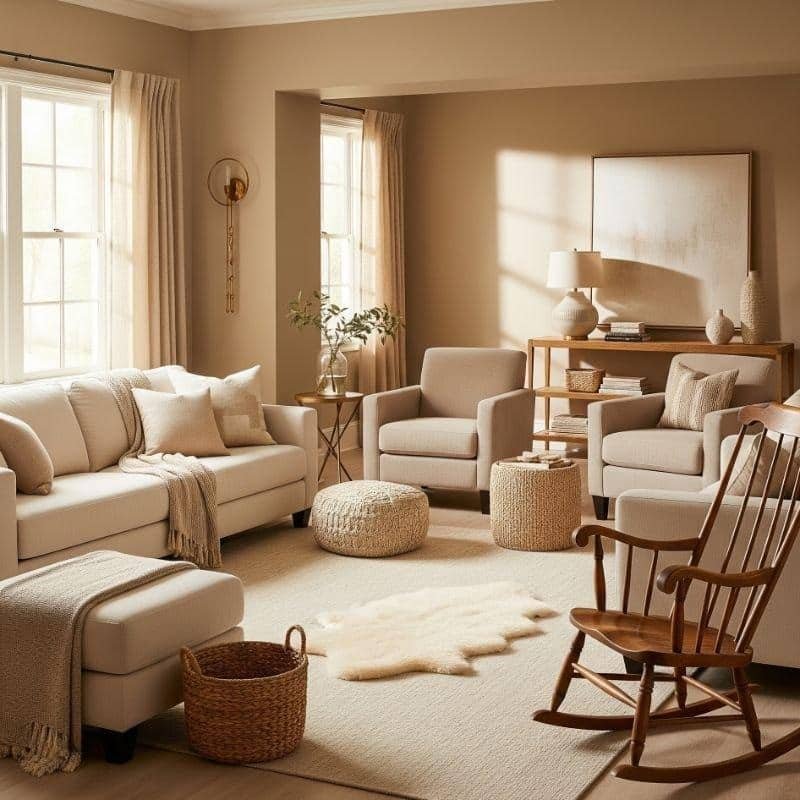
Greige combines the warmth of beige with the sophistication of gray. It has become one of my favorite neutral shades because it looks elegant without feeling cold. Start with your basic beige mixture, then stir in a tiny amount of gray paint until you reach the perfect balance. The result works beautifully in modern homes, offices, and minimalist spaces. Ever noticed how some neutral rooms always look expensive? Greige often plays a big role in creating that polished appearance.
Styling Tips
- Pair with white trim for crisp contrast.
- Add black metal accents.
- Use soft gray furniture.
- Decorate with light oak wood.
- Include green plants for a fresh touch.
Bonus Tip: Mix gray gradually. One extra drop can quickly overpower the warm undertones that make beige so inviting.
Idea 7: Create a Honey Beige
Honey beige feels warm, cheerful, and welcoming without becoming bright yellow. Increase the amount of yellow slightly while keeping white as your primary color. Then add a small amount of brown to maintain balance. I especially enjoy this shade in dining rooms because it creates a cozy atmosphere that feels relaxed rather than formal. It almost makes the room glow when sunlight hits the walls.
Styling Tips
- Pair with warm wood furniture.
- Add gold décor pieces.
- Use cream-colored curtains.
- Include woven baskets.
- Finish with soft white lighting.
Bonus Tip: If the mixture starts looking yellow instead of beige, add more white before adding additional brown.
Idea 8: Make a Vintage Beige
Vintage beige offers an aged, charming appearance that suits farmhouse and cottage-style décor. Start with classic beige, then mix in a tiny drop of burnt umber or a hint of gray. This subtle adjustment creates an older, weathered look without making the paint appear dirty. I often choose this shade for thrift-store furniture makeovers because it instantly gives inexpensive pieces more character.
Styling Tips
- Pair with distressed wood.
- Add bronze hardware.
- Use floral fabrics.
- Decorate with vintage picture frames.
- Include ceramic vases.
Bonus Tip: Finish vintage beige furniture with a light distressing technique around the edges for extra personality.
Idea 9: Mix a Neutral Beige for Walls
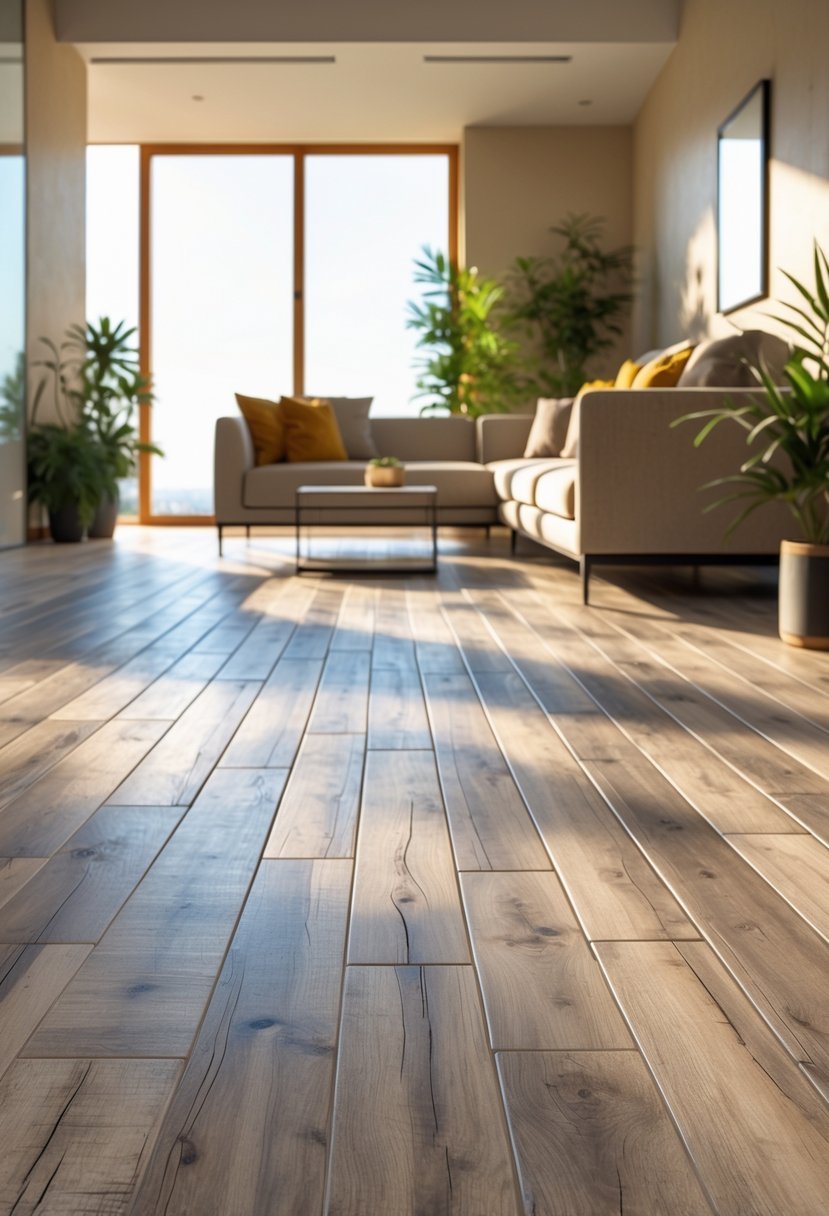
Neutral beige strikes the perfect middle ground. It doesn’t lean too warm or too cool, which makes it one of the safest choices for large walls. Mix mostly white with balanced amounts of brown and yellow, then adjust with a tiny touch of gray if needed. Whenever friends ask me for a “can’t-go-wrong” wall color, this usually tops my list because it complements almost every decorating style.
Styling Tips
- Pair with white ceilings.
- Add natural wood flooring.
- Use neutral furniture.
- Include soft black accents.
- Decorate with large green plants.
Bonus Tip: Always paint a large test square on the wall before committing. Beige changes dramatically under different lighting conditions.
Idea 10: Customize Your Own Signature Beige
Sometimes the best beige doesn’t exist on a store shelf because you create it yourself. Start with the basic formula and adjust one color at a time until it matches your vision. Keep notes of every adjustment so you can recreate the shade later. Trust me, your future self will appreciate that little notebook. Otherwise, you’ll spend an afternoon wondering, “Was it three drops of brown…or four?”
Styling Tips
- Label every paint sample.
- Test colors in daylight.
- Save extra paint for touch-ups.
- Photograph finished samples.
- Store color formulas in a notebook.
Bonus Tip: Mix a larger batch than you think you’ll need. Recreating handmade colors exactly can be surprisingly difficult.
How to Make Beige Lighter
Sometimes your beige ends up darker than expected. Fortunately, fixing it is simple.
Add More White
White remains the safest way to lighten beige because it preserves the neutral character.
Add it gradually.
Best approach:
- Add one spoonful at a time.
- Stir completely.
- Test before adding more.
- Repeat until satisfied.
Avoid adding yellow to lighten paint. Yellow changes the undertone instead of simply making the color lighter.
How to Make Beige Darker
Need more depth?
Increase the brown slowly.
For richer beige, you can also add:
- Burnt umber
- Raw umber
- A tiny drop of black
- Burnt sienna
Always mix thoroughly before judging the color.
How to Fix Common Beige Mixing Problems
Even experienced painters occasionally mix the wrong shade. The good news? Most mistakes are easy to fix.
Problem: Beige Looks Too Yellow
Solution
- Add white.
- Add a tiny touch of brown.
- Mix well.
Problem: Beige Looks Too Brown
Solution
- Add more white.
- Add a tiny hint of yellow if necessary.
Problem: Beige Looks Too Gray
Solution
- Add a little yellow.
- Add a tiny amount of brown.
- Avoid adding more gray.
Problem: Beige Looks Pink
This usually happens after adding too much red.
Fix it by adding:
- Brown
- White
- Tiny amount of yellow
Common Mistakes to Avoid
Nobody mixes the perfect color every single time. I certainly don’t. These mistakes appear surprisingly often.
1. Adding Too Much Brown First
Brown dominates quickly.
Always begin with white.
2. Skipping Color Tests
Paint almost always looks different after drying.
Test first.
Paint second.
Celebrate afterward.
3. Mixing Different Paint Types
Don’t mix:
- Oil with acrylic
- Latex with oil
- Watercolor with acrylic
Stick with one paint type for consistent results.
4. Forgetting to Record Your Formula
When you finally create the perfect beige, write down your measurements.
Otherwise, recreating it becomes an unexpected science experiment.
5. Mixing Under Poor Lighting
Artificial lighting changes colors dramatically.
Whenever possible, check your paint in:
- Morning sunlight
- Afternoon daylight
- Evening indoor lighting
You’ll notice subtle differences that help you make better adjustments.
Professional Tips for Perfect Beige Every Time
After plenty of DIY projects, these habits consistently produce better results.
Follow these simple tricks:
- Mix slowly instead of rushing.
- Use clean tools every time.
- Test paint after it dries completely.
- Keep extra paint in airtight containers.
- Measure ingredients whenever possible.
- Mix larger batches for big projects.
- Label every custom color.
- Store leftover paint away from direct sunlight.
Small habits often produce the biggest improvements.
Coming Up in Part 3
In the final part, we’ll cover:
- The best types of paint for mixing beige
- DIY beige vs. store-bought beige
- Frequently asked questions
- Expert recommendations
- Final summary and conclusion
- Final supporting image
Best Types of Paint for Mixing Beige
Not every paint behaves the same way when you mix colors. Choosing the right type makes your job much easier and gives you a smoother, more predictable result. I learned this after trying to mix leftover paints from different projects. Let’s just say the results belonged in the “learning experience” category rather than the “Pinterest-worthy” category.
Acrylic Paint
Acrylic paint remains my favorite choice for DIY projects because it mixes easily, dries quickly, and cleans up with water.
Best for:
- Canvas painting
- Crafts
- Wood signs
- Small furniture
- Decorative pieces
Pros
- Fast drying
- Easy to blend
- Affordable
- Wide range of colors
Latex Paint
Latex paint works best for walls, ceilings, trim, and large home improvement projects.
Best for:
- Interior walls
- Cabinets
- Doors
- Furniture
Pros
- Excellent durability
- Easy cleanup
- Smooth finish
- Great color consistency
Chalk Paint
If you love farmhouse or vintage décor, chalk paint creates a soft matte finish that looks beautiful in beige tones.
Best for:
- Dressers
- Tables
- Picture frames
- Decorative furniture
Pros
- Little sanding required
- Rich matte finish
- Easy distressing
- Perfect for vintage projects
Oil-Based Paint
Oil paint produces an incredibly smooth finish, but it requires more patience and stronger cleaners.
Best for:
- High-end furniture
- Trim
- Professional finishes
Pros
- Very durable
- Smooth application
- Rich color depth
Cons
- Longer drying time
- Strong odor
- More difficult cleanup
DIY Beige Paint vs. Store-Bought Beige
Should you mix your own beige or simply buy a ready-made can?
Here’s an honest comparison.
| Feature | DIY Beige Paint | Store-Bought Beige |
| Color Control | Excellent | Limited |
| Cost | Usually lower | Higher |
| Custom Shades | Unlimited | Limited selection |
| Consistency | Requires careful measuring | Consistent every time |
| Convenience | Takes more effort | Ready to use |
| Creativity | Very high | Moderate |
Personally, I enjoy mixing my own paint whenever I’m working on crafts or furniture. For painting an entire house, though, I usually choose professionally mixed paint because matching several gallons by hand would test anyone’s patience.
Best Color Combinations That Pair Beautifully with Beige
One reason beige remains so popular is its incredible flexibility. It complements almost every decorating style, from cozy farmhouse homes to sleek modern apartments.
Here are some of my favorite pairings:
White
- Creates a fresh, clean appearance.
- Makes small rooms feel larger.
- Adds crisp contrast.
Gray
- Produces a modern look.
- Softens warm undertones.
- Works well in offices and contemporary spaces.
Sage Green
- Adds a calming, natural feel.
- Looks beautiful with plants and wood.
- Perfect for bedrooms and living rooms.
Navy Blue
- Creates elegant contrast.
- Makes beige feel richer.
- Works especially well with gold accents.
Black
- Adds bold definition.
- Keeps neutral spaces from looking flat.
- Looks stunning with matte finishes.
Natural Wood
- Enhances warmth.
- Creates timeless style.
- Complements nearly every beige variation.
Frequently Asked Questions
Can I make beige paint without brown?
Yes, but it takes a little creativity. You can mix white with a tiny amount of orange or combine red, yellow, and blue to create brown first. Then lighten the mixture with plenty of white until you reach a beige tone.
Why does my beige look yellow?
You probably added too much yellow.
Simply add:
- More white
- A tiny amount of brown
Mix thoroughly and test again after the paint dries.
Can I mix beige using primary colors?
Absolutely.
Start by creating brown from:
- Red
- Blue
- Yellow
Then add plenty of white until the mixture becomes beige.
This method takes a little more patience, but it’s a fun way to practice color theory.
Does beige paint dry darker?
Sometimes.
The final color depends on:
- Paint type
- Surface material
- Lighting
- Finish (matte, satin, or gloss)
That’s why I always recommend painting a sample first.
How do I make cool beige?
Add a very small amount of gray to your standard beige mixture.
Keep the adjustment subtle. Too much gray can quickly turn your beige into greige or even light gray.
Can I store leftover mixed beige paint?
Yes.
Store it in an airtight container and label it with:
- The mixing formula
- The date
- The project name
Future touch-ups become much easier when you know exactly what you mixed.
Expert Tips for Consistent Results
If you want your DIY paint projects to look more professional, a few simple habits can make a huge difference.
Follow these tips:
- Measure your paint instead of guessing.
- Mix thoroughly after every color addition.
- Test on the actual surface whenever possible.
- Wait for the paint to dry before making adjustments.
- Keep notes for future projects.
- Mix enough paint to finish the job in one batch.
- Use clean containers to avoid contamination.
- Work under natural daylight for the most accurate color.
These small steps save time and help you avoid frustrating color mismatches.
Final Thoughts
Learning how to make beige color paint isn’t difficult once you understand the balance between white, brown, and yellow. Start with white as your foundation, add brown gradually, and use yellow sparingly to introduce warmth. From there, you can customize your beige to suit almost any project, whether you want a creamy neutral for furniture, a sandy tone for coastal décor, or a sophisticated greige for modern interiors.
The best part? You aren’t limited to whatever the paint aisle offers. You can fine-tune every batch until it matches your style perfectly. I still find that process surprisingly satisfying, even after countless DIY projects. There’s something rewarding about stepping back and knowing, “Yep, I mixed that color myself.”
So grab your paints, start with small adjustments, and enjoy experimenting. With a little practice, you’ll create a custom beige that looks exactly the way you imagined—and maybe even better. Happy painting!