How to Remove Paint From Wood Floor: The Complete Step-by-Step Guide Without Ruining Your Floors
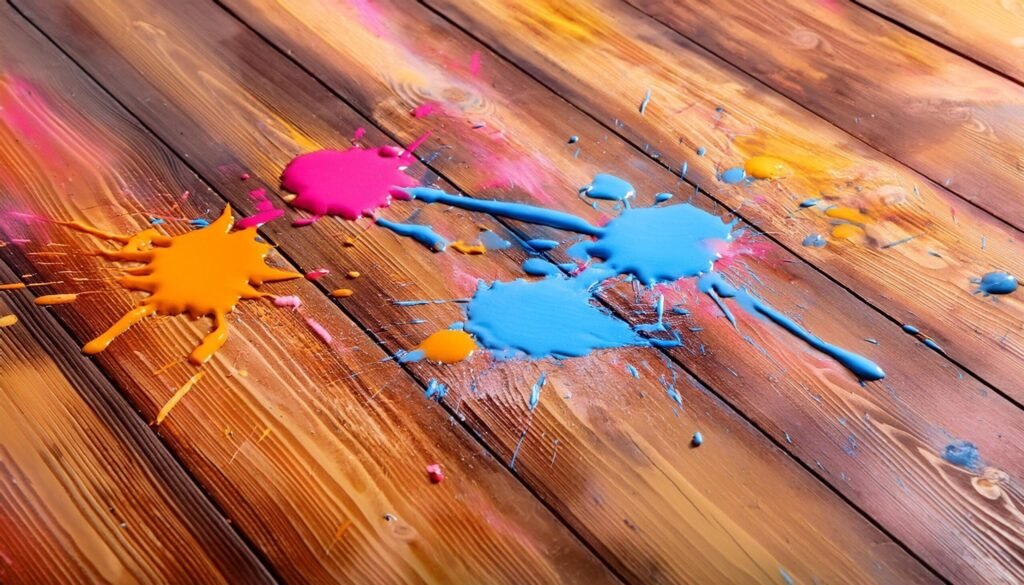
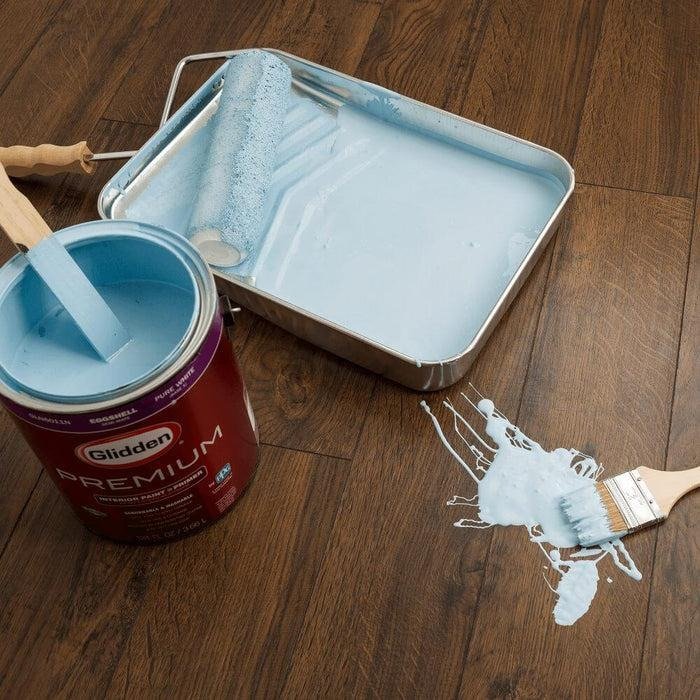
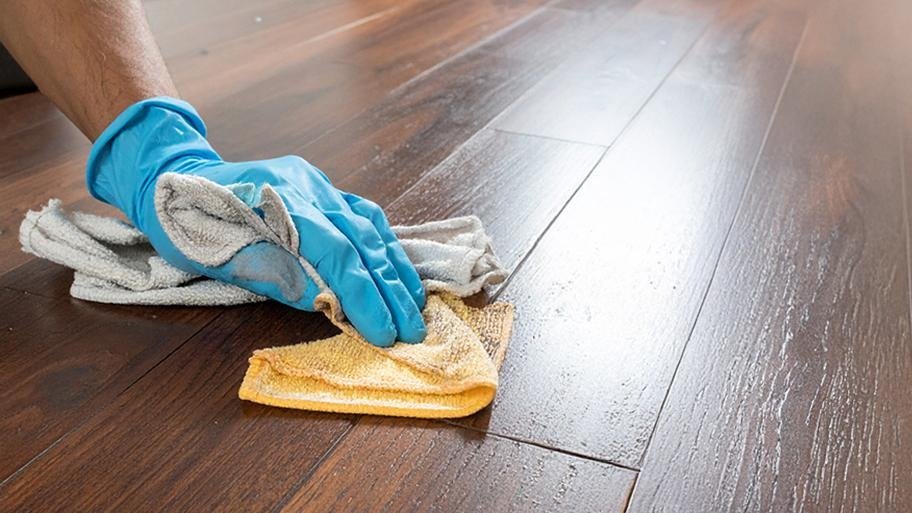
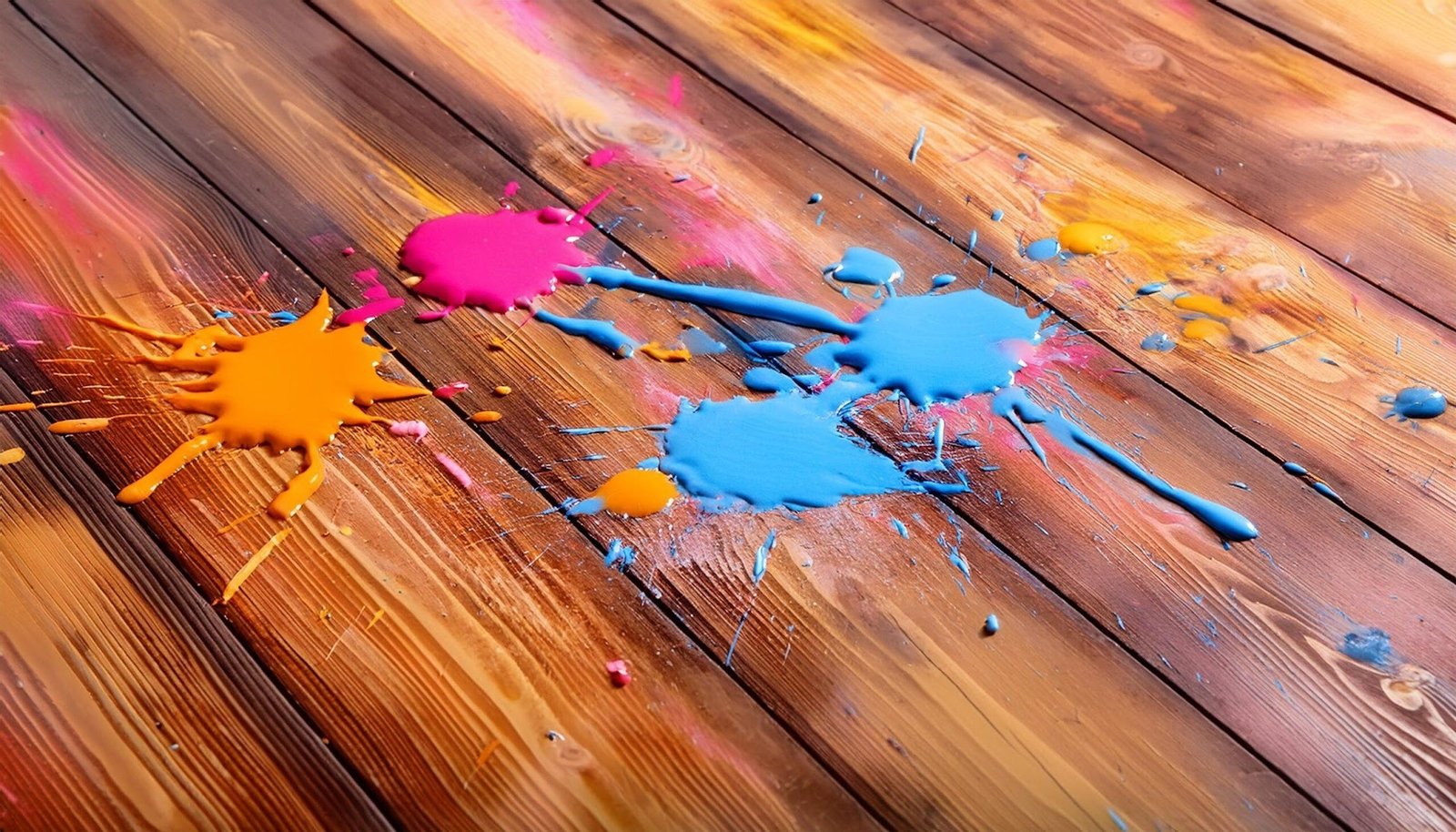
Nothing makes your heart sink quite like spotting dried paint on a beautiful wood floor. One minute you’re painting the walls, and the next… drip. Then another. Then somehow you’ve created what looks like modern abstract art right on your hardwood.
The good news? You can remove paint from a wood floor without damaging the finish if you use the right method. I’ve dealt with everything from tiny paint specks to massive spills after a DIY weekend went slightly off the rails (okay… more than slightly). Trust me, patience always beats aggressive scrubbing.
So, how do you remove paint from wood floors safely? Let’s walk through every method, when to use it, and the mistakes you’ll definitely want to avoid.
Table of Contents
Why You Should Never Rush Paint Removal
Before grabbing the nearest scraper or chemical remover, stop for a second.
Wood flooring scratches much easier than most people think. Paint can disappear in minutes, but deep scratches might stay forever unless you refinish the entire floor.
Ask yourself:
- Is the paint water-based or oil-based?
- Is it still wet or completely dry?
- Does your floor have polyurethane, wax, or another finish?
Those answers determine the safest removal method.
Bonus Tip: When you’re unsure about the floor finish, always test any cleaner in a hidden corner first.
Tools You’ll Need
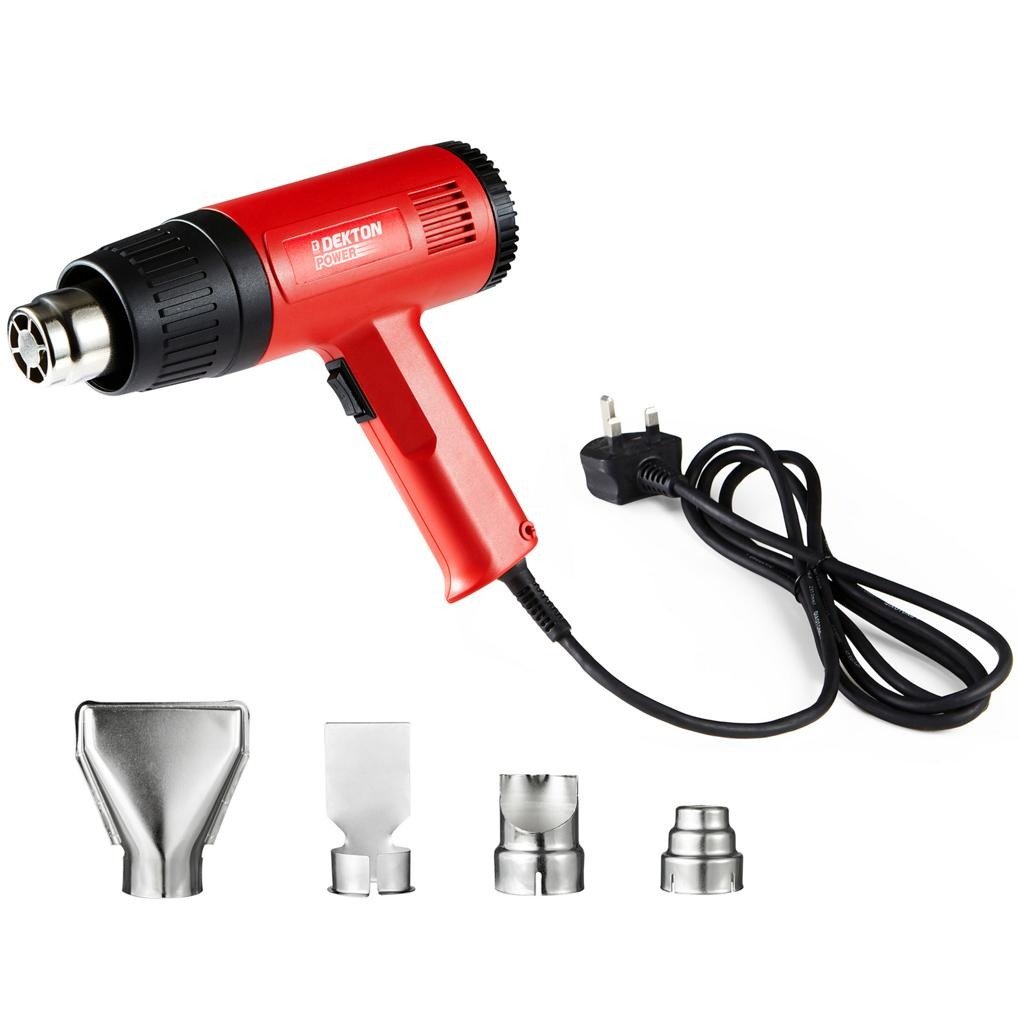
Most paint removal jobs only require simple household supplies.
Gather these items:
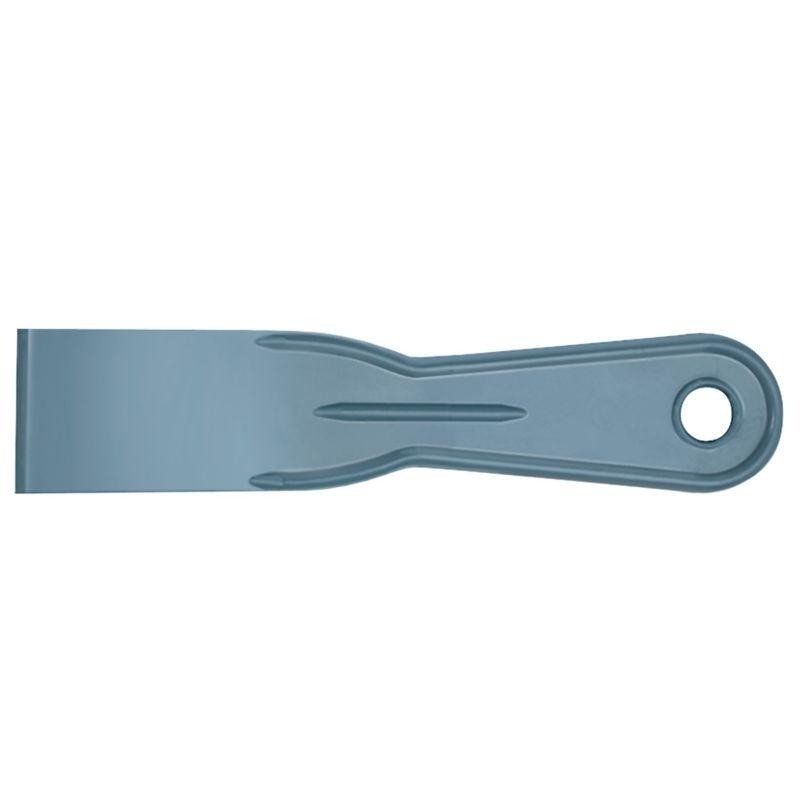
- Plastic putty knife
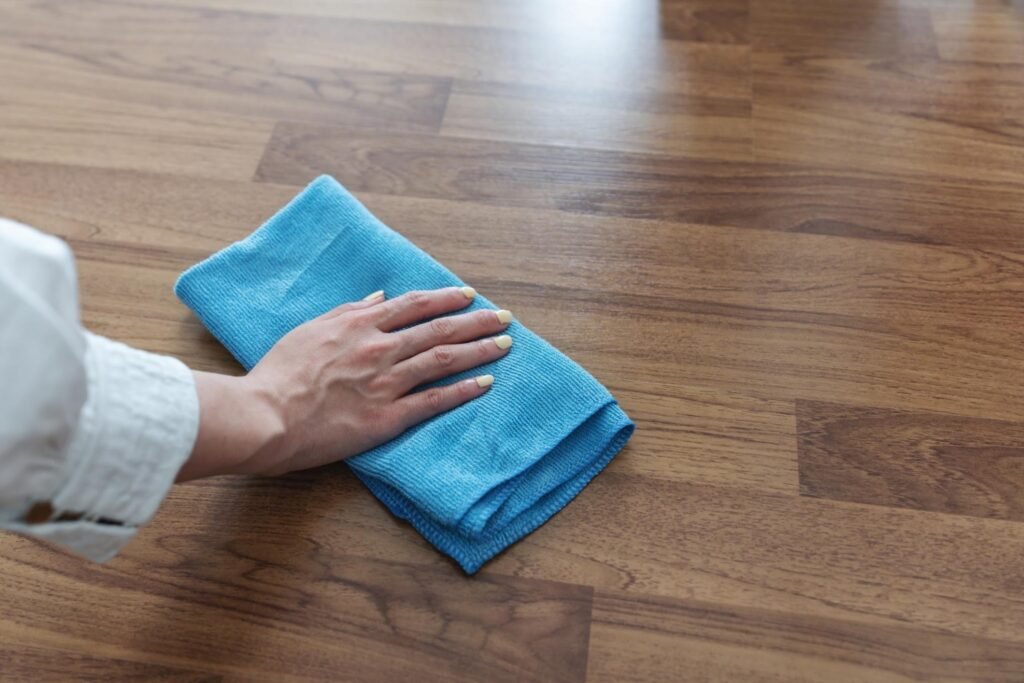
- Soft microfiber cloths
- Warm water
- Mild dish soap
- Rubbing alcohol
- Hair dryer
- White vinegar
- Mineral spirits (for oil paint)
- Cotton swabs
- Soft sponge
- Rubber gloves
Avoid using:
- Metal scrapers
- Steel wool
- Razor blades (unless you’re highly experienced)
- Abrasive pads
- Harsh wire brushes
Pro Tip: A plastic scraper removes paint surprisingly well while protecting the wood finish.
Method 1: Remove Wet Paint Immediately
If you catch the spill early, congratulations—you’ve won half the battle.
Fresh paint usually sits on top of the finish instead of bonding to it.
Step 1
Grab a clean cloth.
Blot the paint instead of rubbing it.
Rubbing spreads the paint across the floor, and nobody enjoys creating a larger problem.
Step 2
Mix:
- 2 cups warm water
- A few drops of dish soap
Wipe gently until the paint disappears.
Step 3
Dry the floor immediately with a clean towel.
Standing water and hardwood never become best friends.
Quick Tips
- Blot instead of scrub.
- Work from the outside inward.
- Replace dirty cloths often.
- Dry the floor completely.
Bonus Tip: Keep a damp microfiber cloth nearby whenever you paint. It saves countless headaches later.
Method 2: Remove Dried Latex Paint
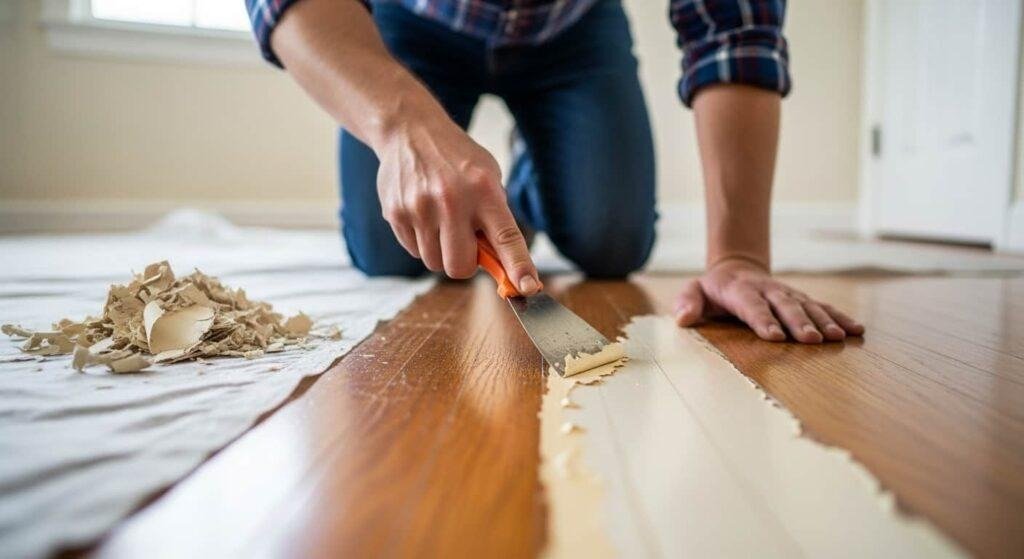
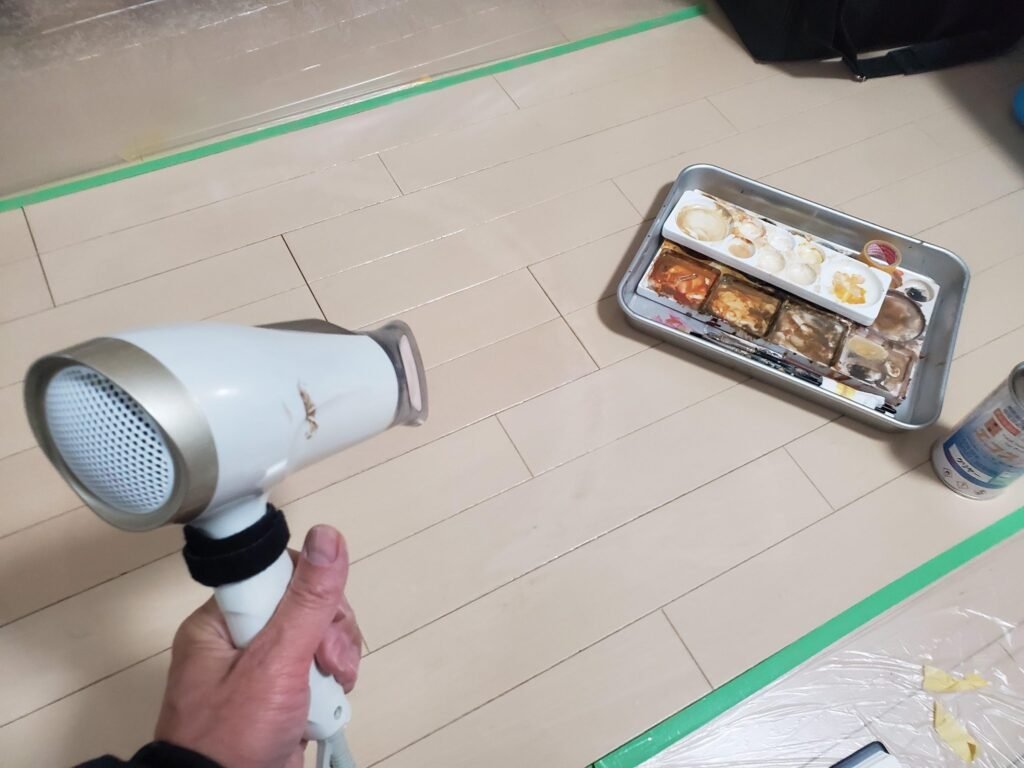
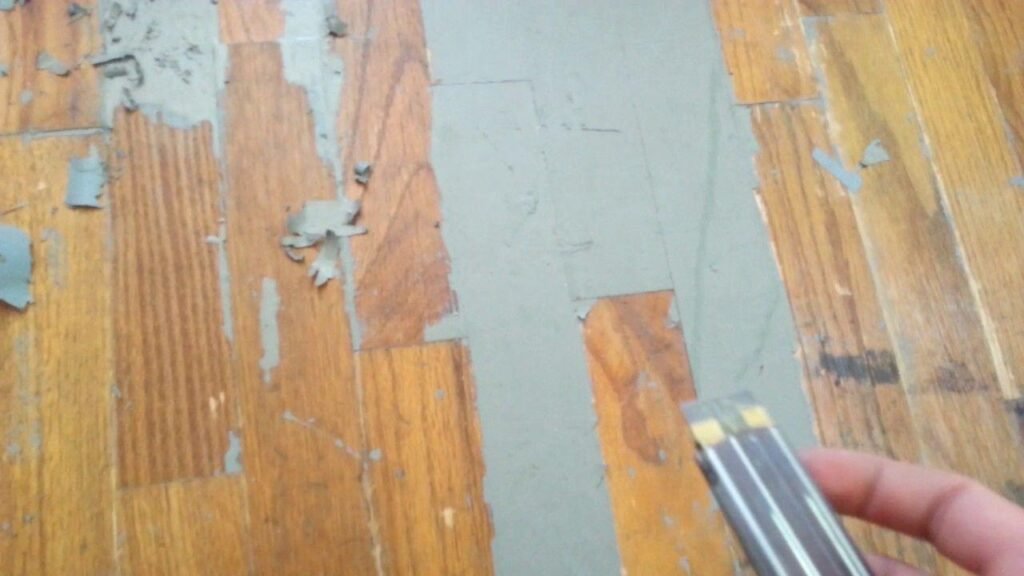
Latex paint comes off much easier than oil-based paint.
The trick? Soften it before scraping.
Step 1: Warm the Paint
Use a hair dryer on medium heat.
Hold it about 6 inches away.
Heat the spot for 20–30 seconds.
Ever noticed how warm paint becomes slightly rubbery? That’s exactly what you want.
Step 2: Scrape Carefully
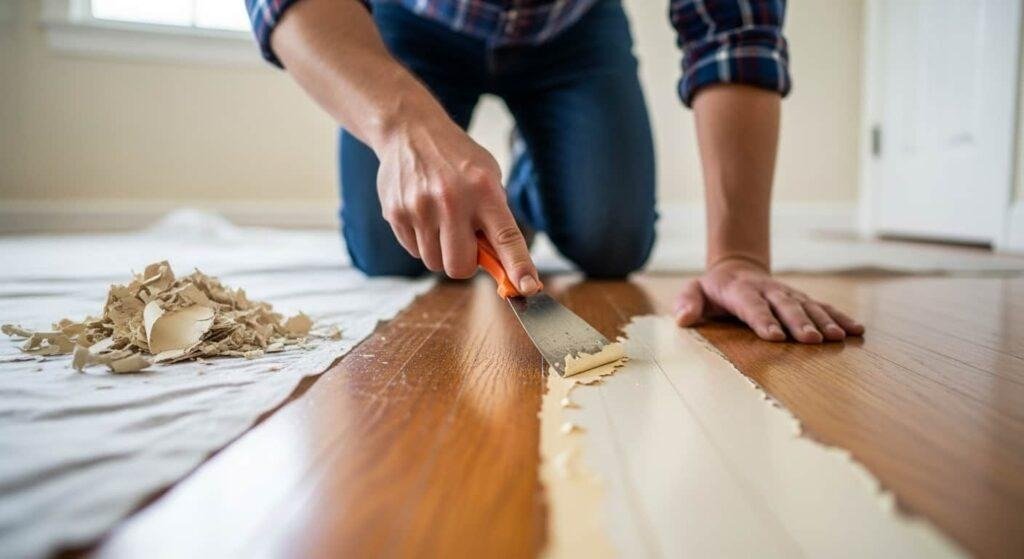
Use a plastic putty knife.
Push underneath the paint.
Lift gently.
Don’t force it.
Step 3: Clean Residue
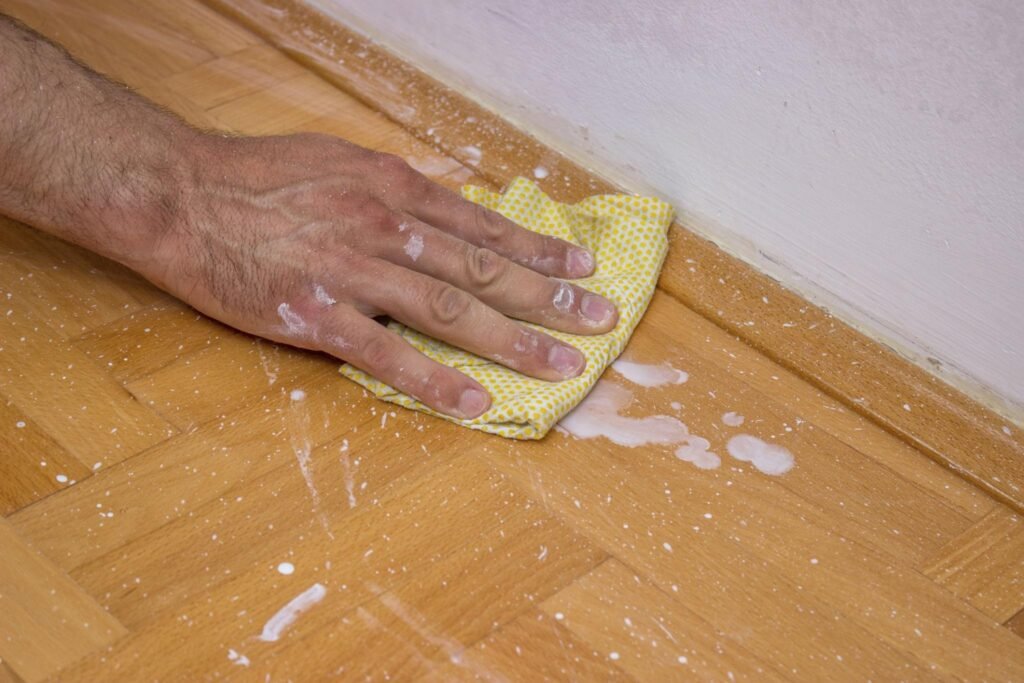
Dampen a microfiber cloth with warm soapy water.
Wipe away remaining paint.
Dry immediately.
Styling Your Cleanup Routine
- Work in small sections.
- Use bright lighting.
- Change cloths frequently.
- Inspect the floor from different angles.
Bonus Tip: IMO, slow scraping beats aggressive scraping every single time.
Method 3: Use Rubbing Alcohol for Stubborn Spots
Sometimes tiny paint specks simply refuse to cooperate.
That’s where rubbing alcohol helps.
Instructions
- Apply alcohol to a soft cloth.
- Place it over the paint.
- Wait two minutes.
- Rub gently.
- Scrape lightly if necessary.
The alcohol softens latex paint without harming most polyurethane finishes.
Best Uses
- Small paint dots
- Roller splatter
- Brush flicks
- Trim paint accidents
Bonus Tip: Never pour alcohol directly across large sections of wood flooring.
Method 4: Remove Oil-Based Paint
Oil paint takes more effort.
Unfortunately, it also sticks much more aggressively.
You’ll Need
- Mineral spirits
- Cotton cloth
- Plastic scraper
- Gloves
Steps
Apply a tiny amount of mineral spirits onto a cloth.
Rub the paint gently.
Allow it to soften.
Lift it with a plastic scraper.
Clean the area afterward using mild soap.
Important Safety Tips
- Open nearby windows.
- Wear gloves.
- Avoid open flames.
- Never soak the wood.
Bonus Tip: Less solvent works better than flooding the floor.
Method 5: Try Warm Vinegar
Many homeowners overlook white vinegar.
Honestly, it deserves more credit.
Heat white vinegar until warm—not boiling.
Dip a cloth into it.
Place the cloth over dried paint.
Wait several minutes.
Scrape gently afterward.
Why It Works
Warm vinegar softens many latex paint spots naturally.
Plus, it doesn’t fill your home with harsh chemical smells.
Best Situations
- Small spills
- Fresh dried paint
- Environmentally friendly cleaning
Bonus Tip: FYI, vinegar works best on water-based paint rather than oil-based finishes. 🙂
How to Remove Tiny Paint Specks
Tiny paint dots often appear after using rollers.
They’re annoying, but easy to remove.
Use:
- Fingernail
- Plastic scraper
- Credit card edge
- Alcohol on cotton swab
Avoid digging into the finish.
You’ll notice the paint pops off once it loosens.
Bonus Tip: Good lighting reveals dozens of paint spots you probably missed.
Common Mistakes That Damage Wood Floors
Sometimes people damage the floor more than the paint ever could.
Avoid these mistakes.
Never:
- Use metal scrapers aggressively.
- Sand random paint spots.
- Pour chemicals directly onto hardwood.
- Let water soak into seams.
- Use steel wool.
Seriously… steel wool and hardwood floors belong on different planets.
Bonus Tip: Protecting the finish always matters more than removing paint quickly.
What If Paint Has Been There for Years?
Old paint bonds tightly.
Don’t panic.
Start with:
- Hair dryer
- Plastic scraper
- Alcohol
- Mineral spirits (oil paint)
Repeat the process patiently.
Some spots need several rounds.
That’s perfectly normal.
When Should You Use Commercial Paint Removers?
Commercial removers should become your last option.
Use them only when:
- Paint covers large areas.
- Multiple DIY methods failed.
- Paint has hardened for years.
Always choose a remover labeled safe for finished hardwood floors.
Read every instruction carefully.
Test it first.
Bonus Tip: Less product usually produces better control.
How to Protect Wood Floors During Future Painting
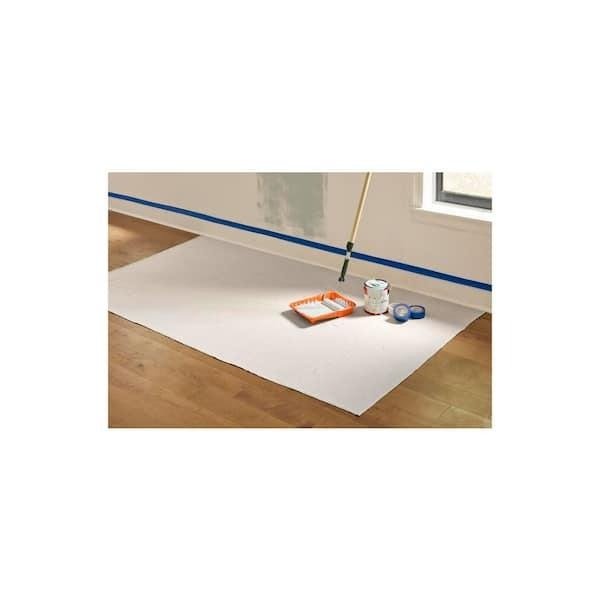
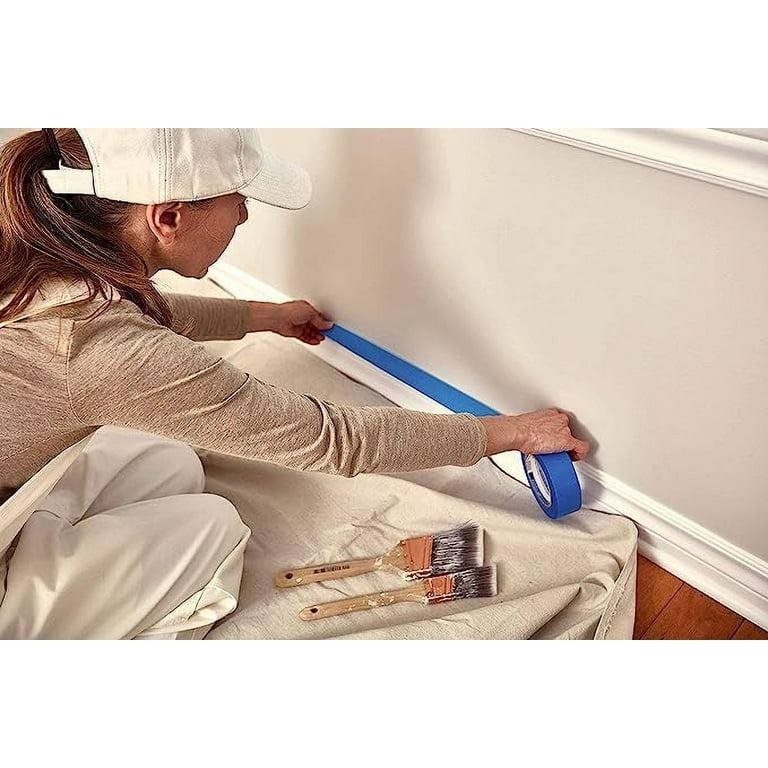
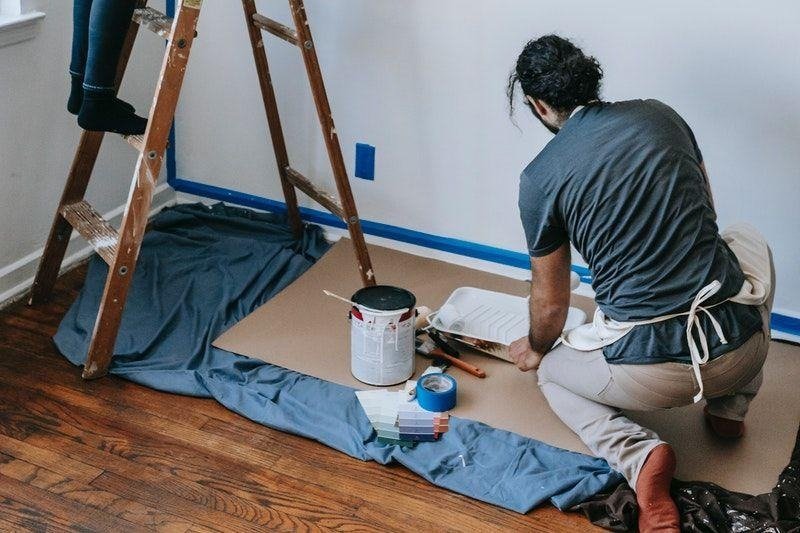
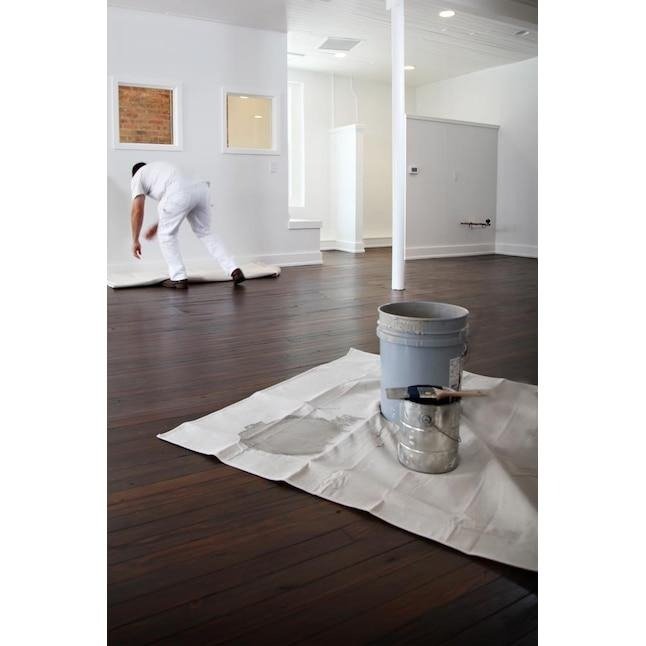
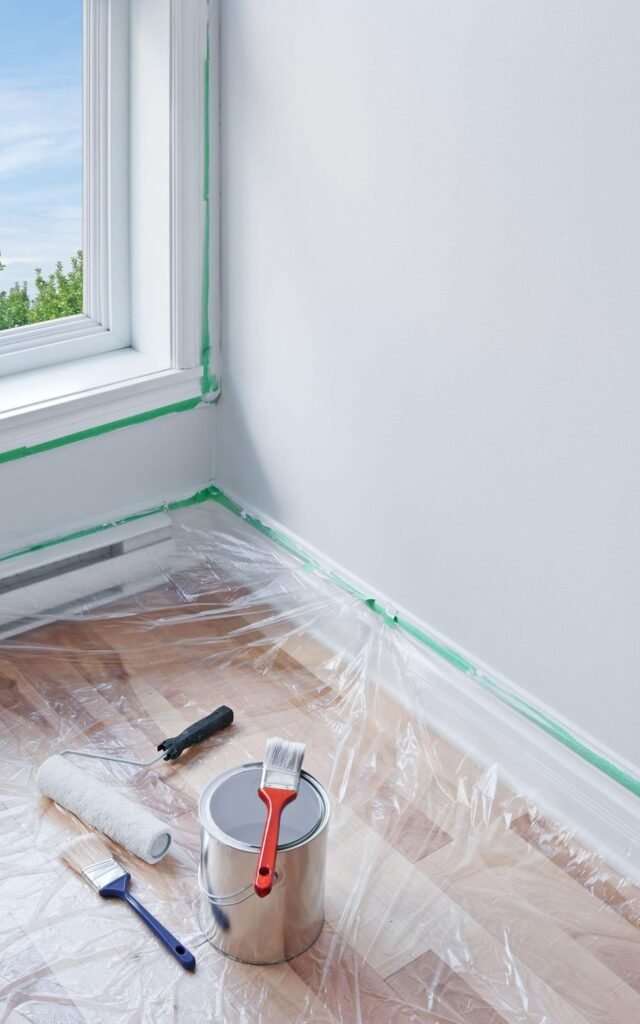
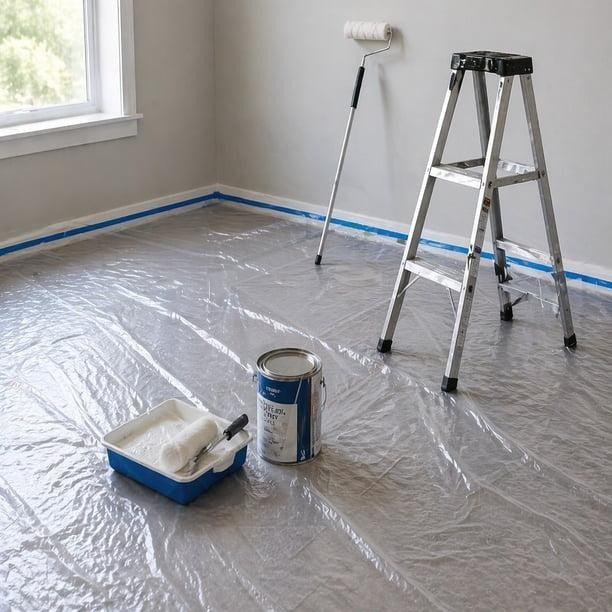
Removing paint takes time.
Preventing spills takes about five minutes.
Before Painting
- Lay canvas drop cloths.
- Tape edges securely.
- Keep a damp cloth nearby.
- Wipe drips immediately.
- Avoid overloading brushes.
You’ll thank yourself later.
Trust me.
Which Method Works Best?
Here’s a quick comparison.
| Paint Type | Best Removal Method |
| Wet latex | Soap and warm water |
| Dried latex | Hair dryer + plastic scraper |
| Tiny specks | Alcohol |
| Oil paint | Mineral spirits |
| Older paint | Heat + gentle scraping |
Frequently Asked Questions
Can vinegar damage hardwood floors?
No, warm diluted vinegar usually won’t damage sealed hardwood when you use it sparingly and dry the area afterward.
Can I scrape paint with a razor blade?
You can, but I rarely recommend it.
One tiny slip creates a permanent scratch.
A plastic scraper feels much safer.
Does rubbing alcohol ruin polyurethane?
Usually not.
Always test a hidden area first.
Can I sand paint off hardwood?
Only if you already plan to refinish the entire floor.
Spot sanding often leaves obvious dull patches.
Will paint remover strip my floor finish?
Some strong removers absolutely can.
Always choose products specifically labeled for finished hardwood.
Final Thoughts
Paint spills happen to almost everyone who tackles a home improvement project. The important thing isn’t avoiding every single drip—it’s knowing how to remove paint from wood floor surfaces safely without damaging the finish.
Start with the gentlest method first. Warm water, a plastic scraper, and a little patience solve most problems. Save stronger products like mineral spirits or commercial removers for stubborn paint that refuses to budge.
Remember, protecting your hardwood matters more than removing paint in record time. Work slowly, test products in an inconspicuous spot, and avoid aggressive scraping. Your floors will reward you with years of beautiful, scratch-free life.
The next time a paint spill happens—and let’s be honest, DIY projects love surprises—you’ll know exactly what to do instead of staring at the floor wondering if it’s ruined. Chances are, it isn’t. A calm approach, the right tools, and a little patience can make that paint disappear while keeping your wood floor looking as good as new.