How to Remove Spray Paint from Hardwood Floors Without Ruining the Finish
You finish a spray painting project, step back to admire your work, and then—bam! You notice tiny dots or a big splash of spray paint all over your beautiful hardwood floor. Yep, we’ve all had one of those “How did that even happen?” moments.
The good news? You don’t have to panic or start shopping for replacement flooring. Most spray paint comes off hardwood floors if you use the right method and avoid harsh chemicals that damage the finish.
I learned this lesson after painting an old metal shelf in my garage. I thought I had covered everything. Spoiler alert—I hadn’t. Tiny paint specks somehow found their way onto the hardwood near the doorway. Thankfully, patience and the right tools saved the day.
In this guide, I’ll show you how to remove spray paint from hardwood floors safely, whether the paint is still wet or completely dry. We’ll also cover mistakes that can make the problem much worse.
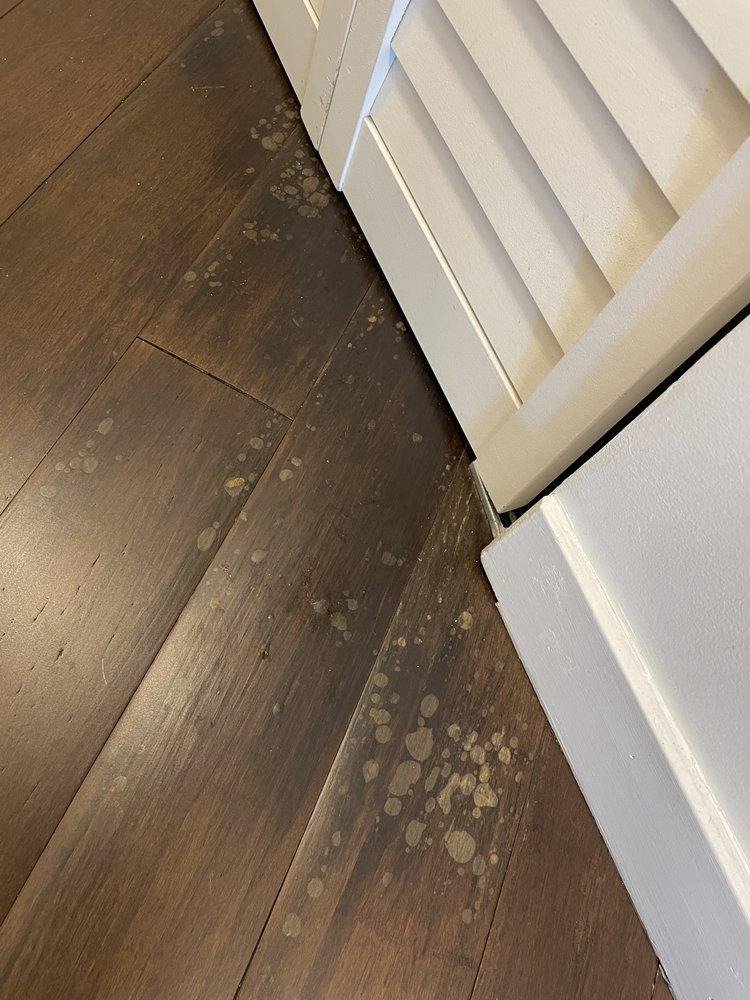
Table of Contents
Why Spray Paint Sticks to Hardwood Floors
Before grabbing the nearest cleaner, it helps to understand what you’re dealing with.
Spray paint dries incredibly fast. As the solvents evaporate, the paint bonds to the surface underneath. If your hardwood floor has a polyurethane finish, the paint usually sits on top of that protective layer instead of soaking into the wood itself. That’s excellent news because removing paint from the finish is much easier than removing paint from bare wood.
However, older floors, unfinished hardwood, or damaged finishes need extra care. Strong chemicals can remove both the paint and your floor’s protective coating.
Ever wondered why tiny paint dots seem impossible to remove? They often dry before they even land on the floor, creating stubborn little bumps that cling to the finish.
Identify Your Hardwood Floor Finish First
Not every hardwood floor reacts the same way. Taking one minute to identify your finish can save you hours of repair work later.
Polyurethane Finished Floors
These are the most common hardwood floors today.
They have a protective coating that resists moisture and many cleaning products.
These floors usually allow the safest paint removal.
Waxed Hardwood Floors
Wax finishes look beautiful but scratch easily.
Avoid alcohol-based products unless you test them first.
Unfinished Hardwood
These floors absorb liquids quickly.
Spray paint can penetrate the wood fibers instead of staying on the surface.
Work gently and avoid soaking the wood.
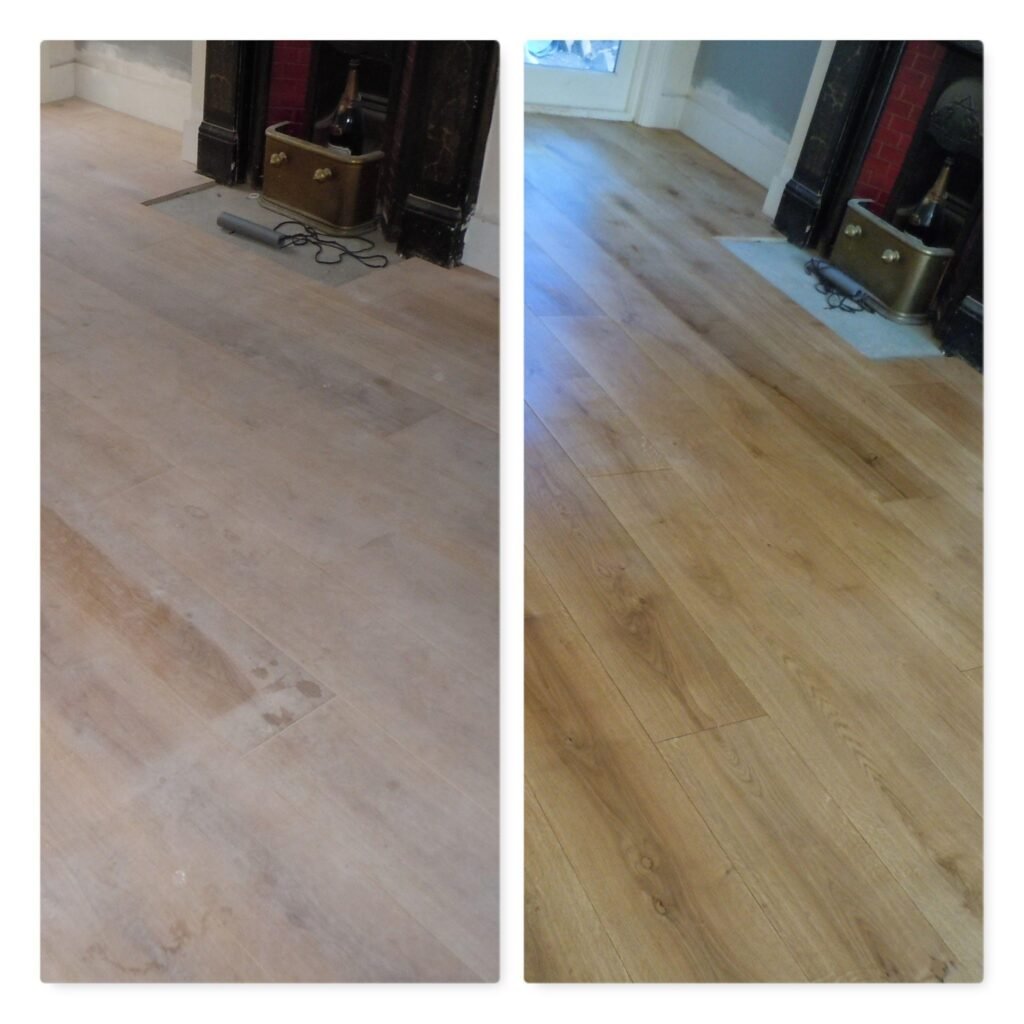
Supplies You’ll Need
Having everything ready before you start makes the job much easier.
Basic Supplies
- Plastic putty knife
- Microfiber cloths
- Warm water
- Mild dish soap
- Bucket
- Cotton swabs
- Soft sponge
- Paper towels
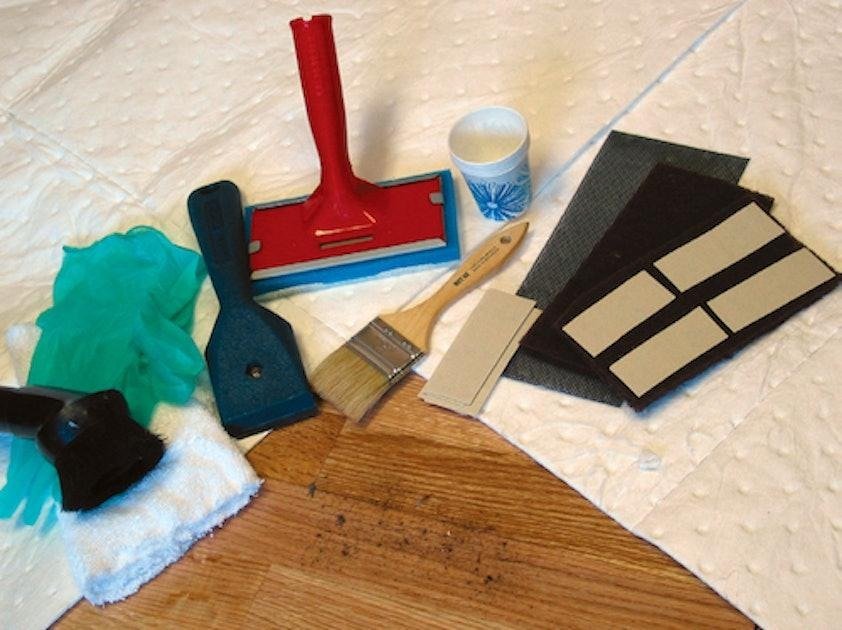
For Tough Paint
- Isopropyl rubbing alcohol
- Mineral spirits (only if appropriate for your floor finish)
- Hardwood-safe paint remover
- Plastic razor scraper
- Fine microfiber towel
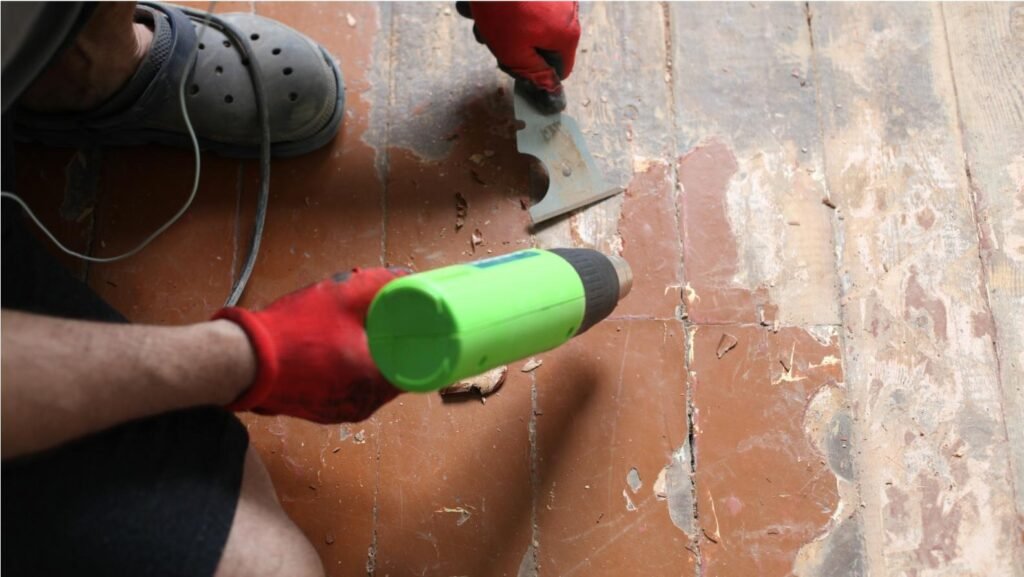
Safety Gear
- Rubber gloves
- Safety glasses
- Good ventilation
Avoid using metal scrapers or steel wool. They can scratch hardwood much faster than spray paint ever could.
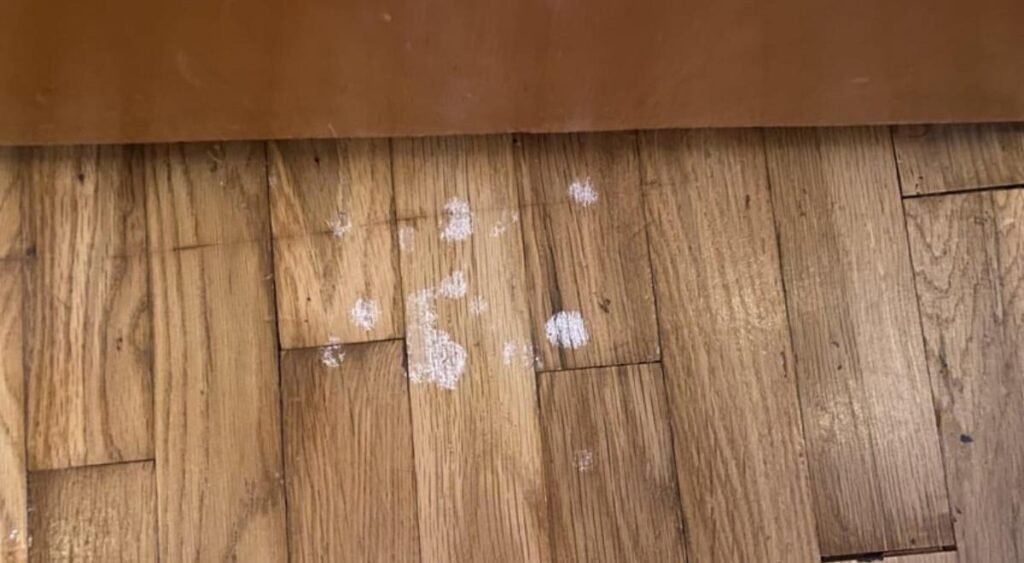
Step One: Act Fast if the Paint Is Still Wet
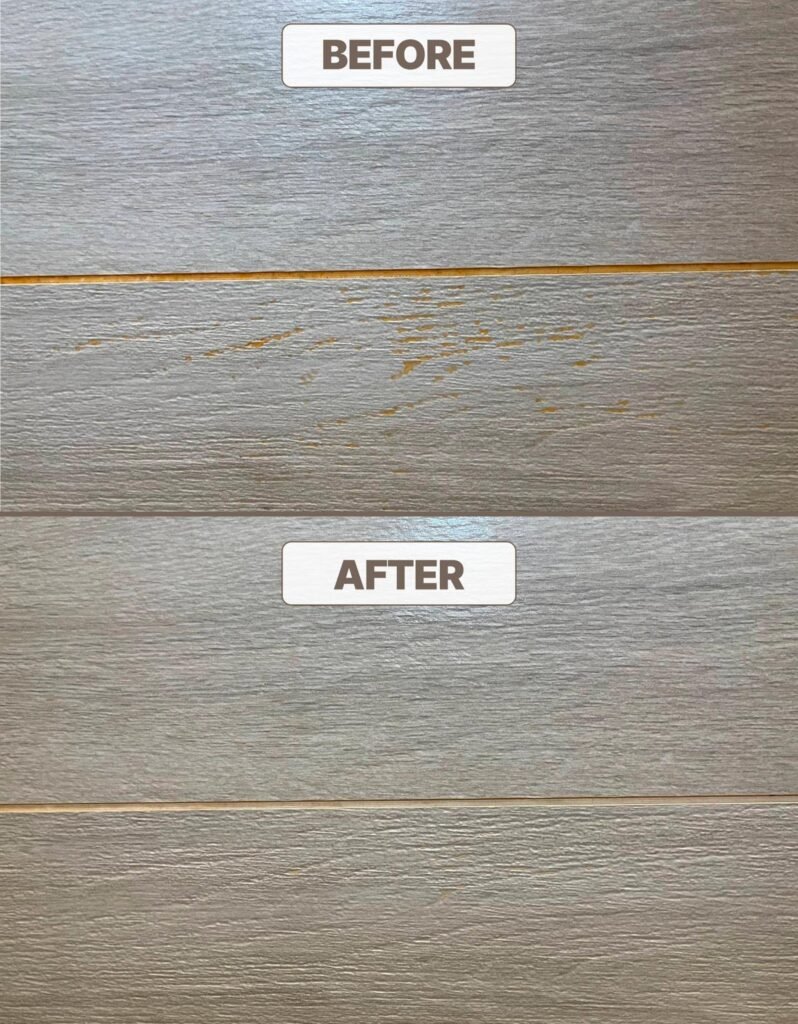
Fresh spray paint gives you the best chance of complete removal.
Don’t smear it around by wiping aggressively. That only spreads the paint into a larger mess.
Instead, blot gently with paper towels until you’ve removed as much wet paint as possible.
Next, mix a few drops of mild dish soap into warm water.
Dip a microfiber cloth into the solution and gently wipe the area.
Repeat several times until the remaining paint disappears.
Quick Tips
- Blot—don’t rub
- Change cloths often
- Use clean water after washing
- Dry the floor immediately
A surprising amount of fresh spray paint comes off with nothing more than warm water and patience.
Step Two: Remove Dry Spray Paint Carefully
Once spray paint dries, you’ll need a little more patience.
Don’t reach for a screwdriver or metal scraper. That’s basically inviting scratches to your hardwood. Trust me, your future self won’t appreciate that decision. 🙂
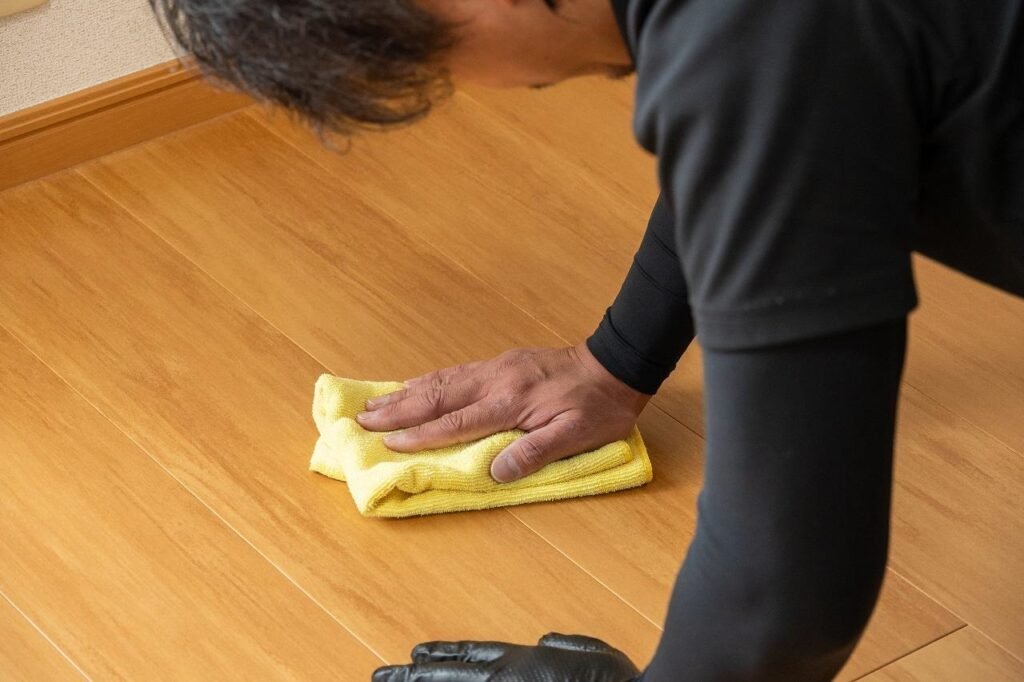
Start with Gentle Scraping
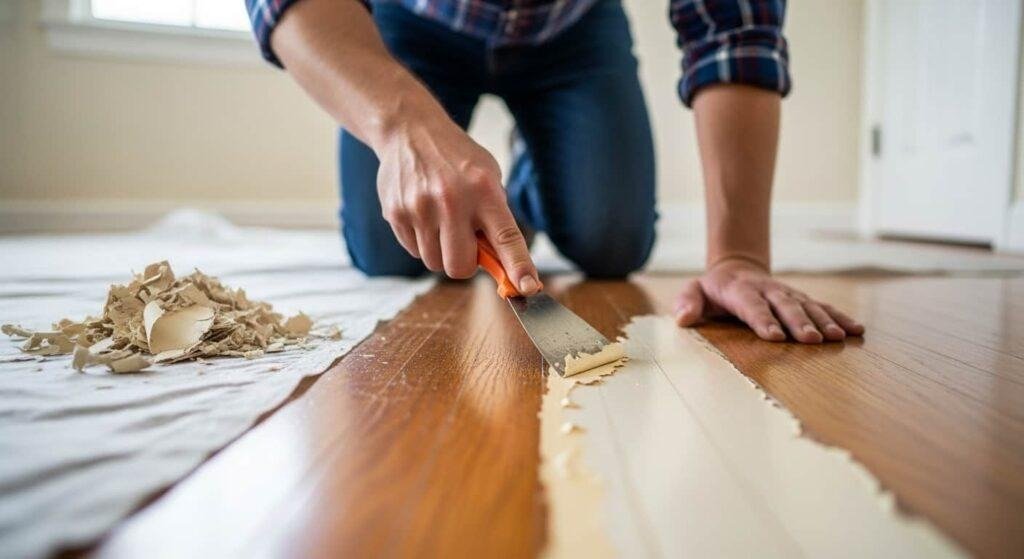
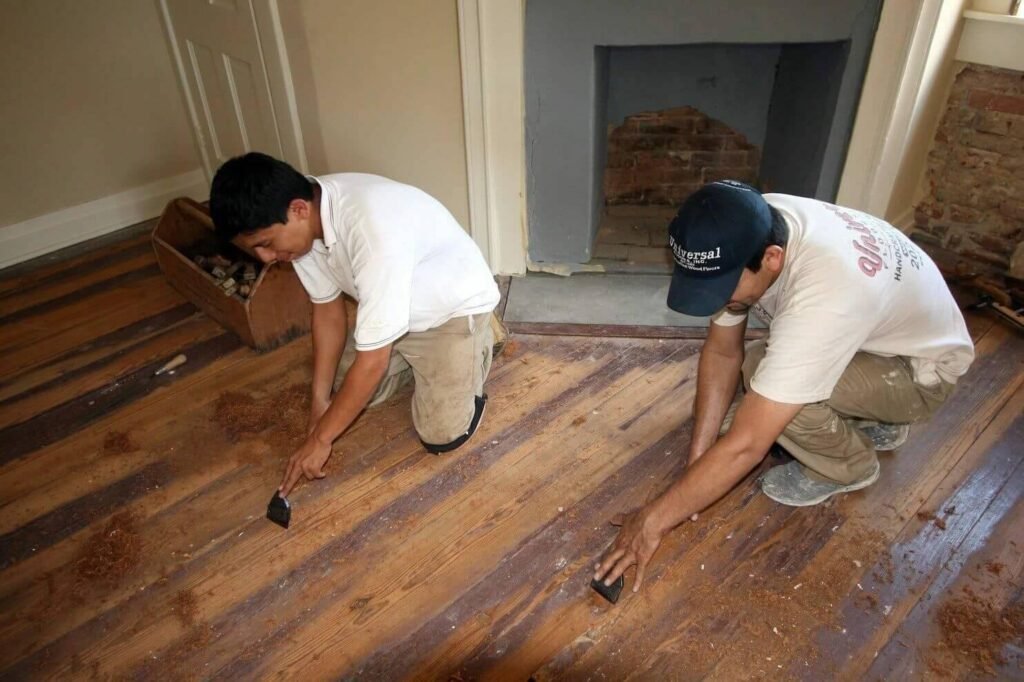
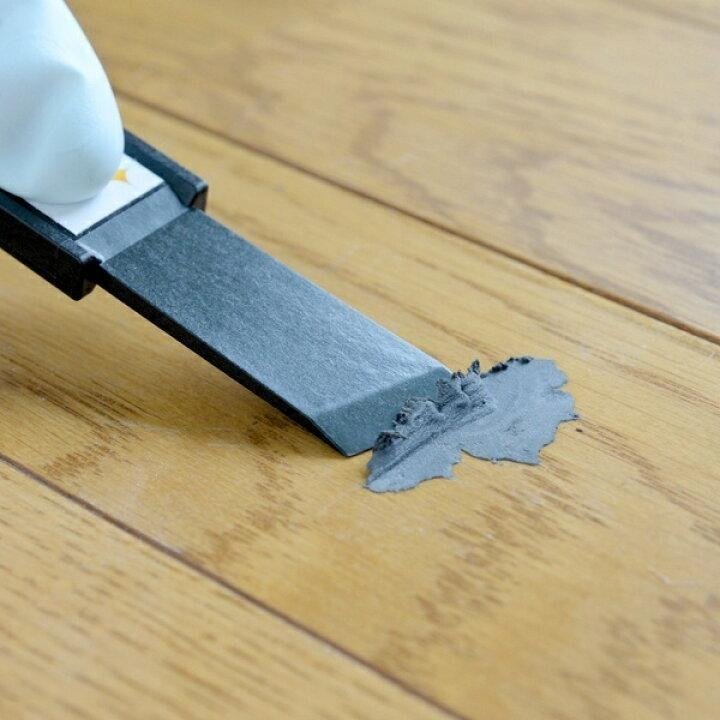
Hold a plastic putty knife almost flat against the floor.
Slowly slide it under the paint.
Work from the outside toward the center.
You’ll often find that the paint flakes off without harming the finish.
If small spots remain, don’t force them.
Move on to a cleaning solution instead.
Helpful Technique
- Work slowly
- Keep the scraper nearly flat
- Never jab downward
- Wipe away loosened paint frequently
Slow and steady removes paint. Fast and aggressive removes floor finish.
Try Warm Soapy Water Before Strong Chemicals
Many people immediately grab paint thinner.
IMO, that’s usually unnecessary.
Warm water and dish soap often soften dried paint enough to remove it safely.
Soak a microfiber cloth in warm soapy water.
Lay it over the paint for five to ten minutes.
The moisture helps loosen the paint without damaging most sealed hardwood floors.
After waiting, gently rub the paint with the cloth.
Repeat if needed.
This method works especially well for light overspray.
Test Every Cleaner First
This step sounds boring, but it can save hundreds of dollars.
Before using rubbing alcohol, mineral spirits, or any commercial cleaner, test it in a hidden corner of the room.
Wait several minutes.
Look for:
- Color changes
- Dull finish
- Sticky residue
- Cloudiness
- Softened finish
If everything looks normal, you can safely continue.
Never skip this test, especially on older hardwood floors.
When Rubbing Alcohol Works Best
Rubbing alcohol often removes spray paint without damaging polyurethane finishes.
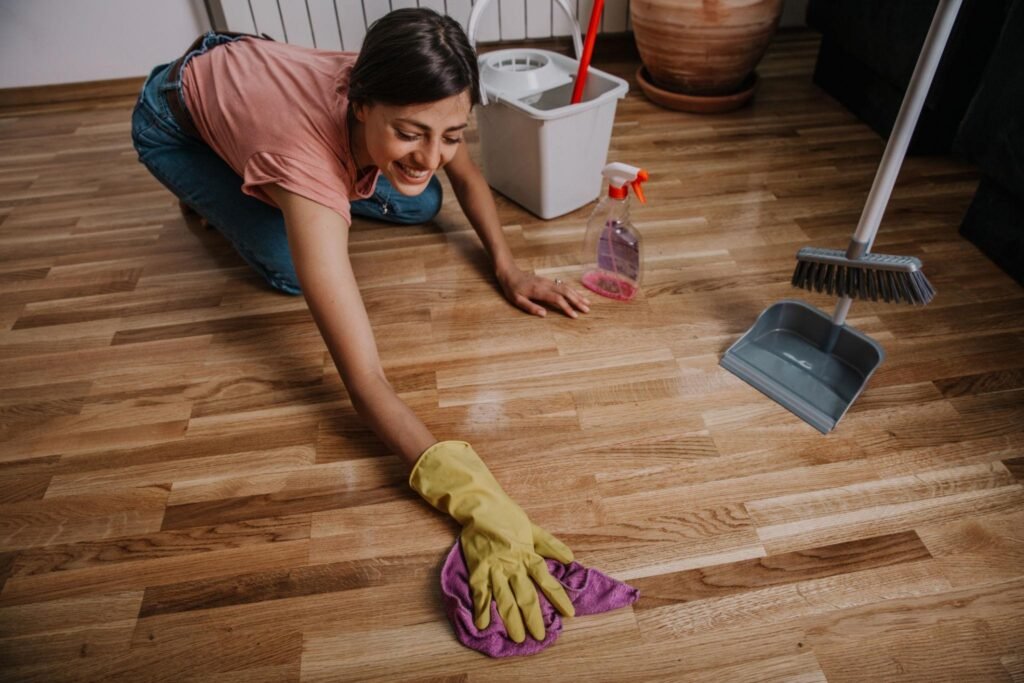
Pour a small amount onto a microfiber cloth instead of directly onto the floor.
Rub gently in small circles.
You’ll usually notice the paint softening after a minute or two.
Once the paint loosens, wipe it away with a clean damp cloth.
Finally, dry the area completely.
Best Practices
- Use only a small amount
- Avoid soaking the wood
- Keep fresh cloths nearby
- Dry immediately after cleaning
Don’t worry if the paint doesn’t disappear instantly. Several gentle passes work much better than one aggressive scrubbing session.
Remove Stubborn Spray Paint That Has Fully Cured
Sometimes spray paint sits on the floor for weeks—or even months—before anyone notices it. At that point, it becomes much harder to remove because it has fully cured. Don’t worry, though. Harder doesn’t mean impossible.
The trick is to soften the paint gradually instead of attacking it with brute force. Ever tried peeling an old sticker after warming it up? The same idea applies here.
Soften the Paint First
Lay a microfiber cloth dampened with warm water over the paint for about 10–15 minutes. While water won’t dissolve spray paint, it can soften the edges and make removal easier.
After that:
- Gently scrape with a plastic razor blade
- Wipe away loosened paint
- Repeat if necessary
- Avoid excessive pressure
Patience beats force every single time.
When Mineral Spirits Make Sense
Mineral spirits often work well on oil-based spray paint, but they aren’t your first choice.
Use them only after gentler methods fail and only on hardwood floors with a durable polyurethane finish.
Here’s how I use them:
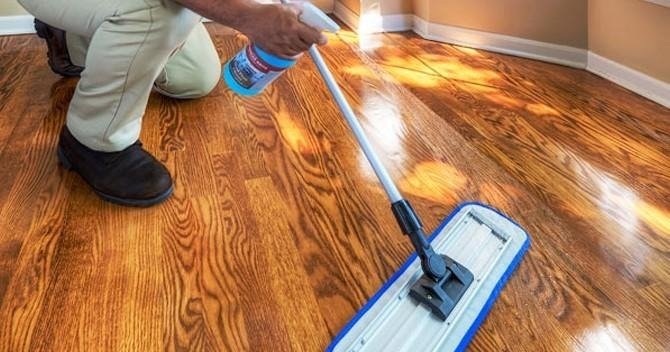
- Pour a tiny amount onto a clean cloth.
- Dab the paint instead of soaking it.
- Let it sit for about 30–60 seconds.
- Rub gently with the grain of the wood.
- Wipe the area with a damp cloth.
- Dry immediately.
Important Safety Tips
- Open windows for ventilation.
- Wear rubber gloves.
- Keep mineral spirits away from flames.
- Never pour them directly onto the floor.
A little goes a long way. More product doesn’t equal faster results.
Should You Use Paint Thinner?
Short answer?
Usually, no.
Paint thinner is much more aggressive than mineral spirits. While it removes spray paint quickly, it can also soften, discolor, or strip the finish from hardwood flooring.
I only recommend paint thinner if:
- The floor needs refinishing anyway.
- The manufacturer specifically approves its use.
- Every other method has failed.
Otherwise, skip it. Your floor will thank you later.
Commercial Hardwood Paint Removers
Sometimes DIY methods just don’t cut it. That’s when a hardwood-safe commercial paint remover can save the day.
Look for products labeled:
- Safe for finished hardwood
- Low odor
- Non-caustic
- Finish-friendly
Avoid products designed for stripping furniture or removing heavy industrial coatings. Those products often contain harsh chemicals that can damage flooring.
Compare Your Options
| Method | Removes Paint Well | Safe for Hardwood | Cost |
| Warm soapy water | Light paint | ⭐⭐⭐⭐⭐ | Low |
| Rubbing alcohol | Moderate paint | ⭐⭐⭐⭐ | Low |
| Mineral spirits | Heavy paint | ⭐⭐⭐ | Medium |
| Hardwood-safe remover | Very stubborn paint | ⭐⭐⭐⭐ | Medium |
| Paint thinner | Very effective | ⭐ | Medium |
Start with the least aggressive option and move up only if necessary.
Natural DIY Methods That Actually Help
If you prefer avoiding chemicals, you still have a few solid options.
White Vinegar
Warm a little white vinegar—not boiling hot—and dampen a cloth with it.
Place the cloth over the paint for several minutes before gently wiping.
This method works best on light overspray.
Dish Soap and Warm Water
Never underestimate this simple combination.
I’ve removed surprising amounts of fresh paint with nothing more than dish soap, warm water, and persistence.
Coconut Oil
This sounds unusual, but coconut oil can help loosen tiny paint specks without harming many hardwood finishes.
Rub a small amount onto the paint.
Wait five minutes.
Wipe gently with a microfiber cloth.
FYI, always test it in a hidden area first.
What Never Belongs on Hardwood Floors
Some internet hacks sound clever until they destroy your floor.
Please avoid these:
- Steel wool
- Wire brushes
- Sandpaper on finished floors
- Bleach
- Acetone (unless recommended by the floor manufacturer)
- Power scrubbers
- Metal putty knives
- Abrasive scouring pads
Could they remove paint? Sure.
Could they also remove your floor finish? Absolutely.
How to Remove Tiny Spray Paint Overspray Dots
Overspray usually looks like hundreds of tiny specks instead of one large paint spot.
Fortunately, those dots often come off more easily.
Try this process:
- Vacuum loose dust.
- Wash with warm soapy water.
- Use rubbing alcohol on stubborn spots.
- Gently scrape remaining dots with a plastic scraper.
- Buff with a microfiber cloth.
The final buffing step often restores the floor’s natural shine.
Cleaning Paint Out of Hardwood Grain
Older hardwood floors sometimes have visible grain where paint settles.
Instead of scraping aggressively, use a soft toothbrush.
Dip the brush into warm soapy water.
Brush gently with the grain.
Wipe immediately with a microfiber towel.
Repeat until clean.
This method takes longer, but it protects the wood.
Mistakes That Can Permanently Damage Hardwood Floors
I’ve seen people turn a five-minute cleanup into a weekend repair project. Most of the damage comes from rushing.
Here are the biggest mistakes to avoid:
Using Too Much Liquid
Hardwood doesn’t like standing water.
Excess moisture can cause:
- Swelling
- Warping
- Discoloration
- Separation between boards
Always use a damp cloth, not a soaking wet one.
Scraping Too Hard
If the paint refuses to come off, don’t force it.
Instead:
- Soften it again.
- Change your cleaning method.
- Work slowly.
Remember, you can always remove more paint later, but you can’t magically erase deep scratches.
Skipping the Test Spot
Every hardwood finish reacts differently.
Testing first takes one minute.
Repairing damaged polyurethane can take days—and cost a lot more than a minute.
How to Restore Shine After Paint Removal
After removing the paint, your floor might look slightly dull.
That’s normal.
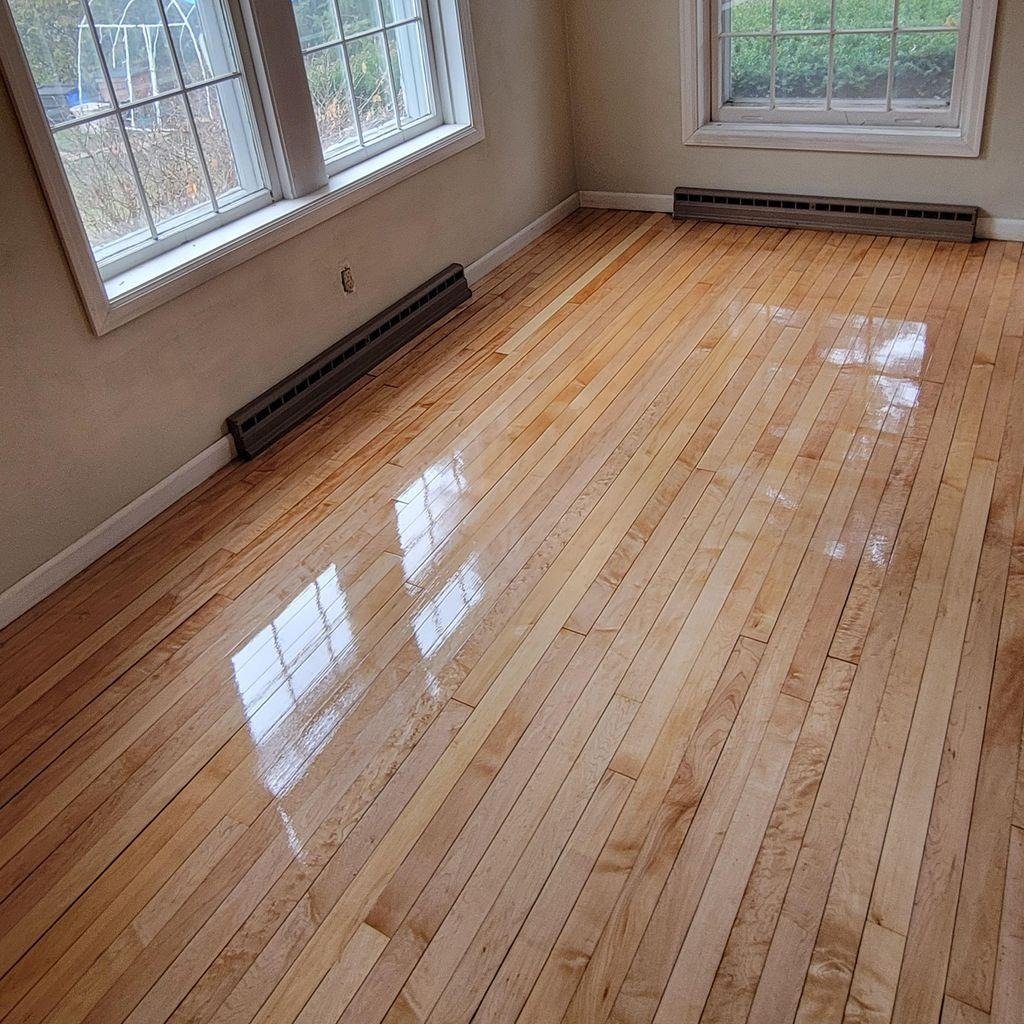
Clean the area with a hardwood floor cleaner, then buff it using a dry microfiber cloth.
If the finish still looks uneven, apply a hardwood floor polish recommended by your flooring manufacturer.
Avoid wax products unless your floor already has a wax finish.
A few minutes of polishing can make the cleaned area blend beautifully with the rest of the room.
Let’s be honest—preventing spray paint spills is much easier than removing them later. I learned that lesson after spending nearly an hour cleaning tiny overspray dots that could have been avoided with a $5 drop cloth. Lesson learned!
Before you start any spray painting project, take a few extra minutes to protect your floor.
Protect Your Hardwood Like a Pro
- Cover the floor with canvas drop cloths.
- Secure the edges with painter’s tape.
- Move nearby furniture whenever possible.
- Spray paint outdoors when weather allows.
- Choose a well-ventilated workspace.
- Keep the spray can 8–12 inches from the object.
- Spray in smooth, controlled passes.
Those five extra minutes of preparation can save hours of cleanup later.
What If the Paint Won’t Come Off?
Sometimes paint bonds so tightly to the finish that household methods simply don’t work.
Don’t panic.
Instead, work through this checklist:
- Try warm soapy water again.
- Test rubbing alcohol.
- Use a plastic scraper.
- Try mineral spirits if your floor finish allows it.
- Use a hardwood-safe paint remover.
- Contact a flooring professional if the finish starts lifting.
If you notice discoloration or peeling, stop immediately. Continuing could damage the floor more than the paint itself.
Quick Spray Paint Removal Cheat Sheet
Need the short version? Here’s a handy reference.
| Situation | Best Solution |
| Wet spray paint | Blot immediately and clean with warm soapy water |
| Fresh overspray | Dish soap and microfiber cloth |
| Dried paint spots | Plastic scraper + rubbing alcohol |
| Heavy cured paint | Mineral spirits (if safe for the finish) |
| Paint in wood grain | Soft toothbrush and soapy water |
| Stubborn residue | Hardwood-safe paint remover |
| Dull finish afterward | Hardwood floor cleaner and polish |
Keeping this process in mind makes future cleanup much less stressful.
Expert Tips for Protecting Hardwood Floors
After working on several DIY painting projects, I’ve picked up a few habits that save both time and frustration.
My Favorite Tips
- Clean paint as soon as you notice it.
- Keep microfiber cloths nearby during every painting project.
- Vacuum before wiping to avoid dragging grit across the finish.
- Always wipe with the wood grain whenever possible.
- Use the gentlest cleaning method first.
- Let patience do the hard work.
Ever noticed how the simplest methods often work the best? That’s definitely true with hardwood floors.
Frequently Asked Questions
Can I use acetone on hardwood floors?
I don’t recommend it unless your flooring manufacturer specifically approves it.
Acetone can damage or dull many hardwood finishes. Start with milder options like dish soap or rubbing alcohol.
Will vinegar remove spray paint?
Warm white vinegar may help loosen light overspray, but it usually won’t remove fully cured spray paint by itself.
Think of vinegar as a helper rather than a miracle solution.
Can I scrape spray paint with a razor blade?
Only if you use a plastic razor blade designed for delicate surfaces.
A metal razor blade can leave permanent scratches on hardwood flooring.
Does rubbing alcohol damage hardwood?
Rubbing alcohol is generally safe on many polyurethane-finished hardwood floors when you use it sparingly and wipe the surface dry afterward.
Always test it in an inconspicuous area first.
What if spray paint soaked into unfinished wood?
Unfortunately, unfinished wood absorbs paint much more easily.
You may need to:
- Lightly sand the affected area.
- Clean away the dust.
- Reapply stain if needed.
- Seal the wood with a compatible finish.
The sooner you tackle the paint, the better your chances of avoiding extensive repairs.
Should I hire a professional?
If the paint covers a large area, the hardwood finish has already suffered damage, or you’re dealing with expensive antique flooring, bringing in a professional can save you from costly mistakes.
Sometimes expert help costs less than repairing accidental damage.
Common Myths About Removing Spray Paint
Let’s clear up a few myths that pop up online.
Myth 1: More Cleaner Works Faster
Nope.
Using extra cleaner usually creates more mess and increases the risk of damaging the finish.
Myth 2: Steel Wool Is Safe
Definitely not.
Steel wool can leave fine scratches that become obvious under sunlight.
Myth 3: Sanding Is Always the Answer
Not even close.
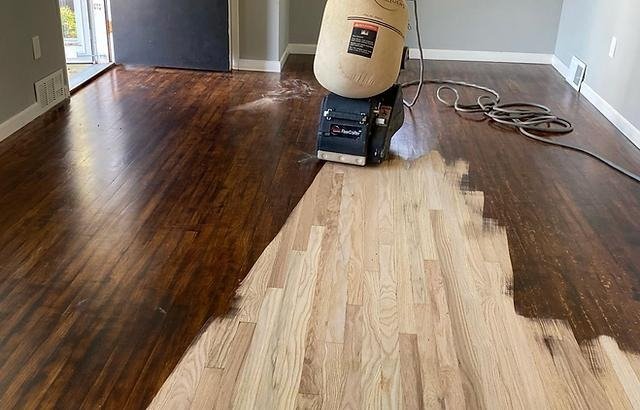
Sanding removes the protective finish along with the paint.
Only consider sanding when you’re already planning to refinish the floor.
Myth 4: Any Paint Remover Is Safe
Many paint removers are formulated for furniture, metal, or masonry—not hardwood flooring.
Always read the label before applying any product.
Final Thoughts
Spray paint on hardwood floors looks scary at first, but it doesn’t have to become a disaster. Most paint spots come off successfully when you work patiently, use gentle cleaning methods, and avoid harsh tools.
The biggest takeaway? Start with the least aggressive solution and only move to stronger products if necessary. Warm soapy water, a microfiber cloth, and a plastic scraper solve many paint mishaps without harming the floor’s finish.
I always remind myself that hardwood flooring is an investment worth protecting. Spending a little extra time removing paint carefully beats spending a lot of money repairing scratches or refinishing damaged boards. And honestly, I’d much rather spend my weekend enjoying a freshly painted project than fixing avoidable floor damage. 🙂
So the next time you spot spray paint where it doesn’t belong, don’t panic. Grab the right supplies, follow these steps, and let patience do the heavy lifting. Your hardwood floors will stay beautiful, and you’ll have another successful DIY story to tell.
Key Takeaways
- Act quickly if the spray paint is still wet.
- Use warm soapy water before trying stronger cleaners.
- Choose plastic scrapers instead of metal tools.
- Test rubbing alcohol or mineral spirits in a hidden area first.
- Avoid steel wool, acetone, and harsh abrasives on finished hardwood.
- Buff and polish the floor after paint removal to restore its shine.
- Protect floors with drop cloths before every spray painting project.