How to Soften Paint Brushes (Without Ruining Them): Easy Methods That Actually Work
A stiff paint brush can feel like a tiny betrayal. One day it’s gliding across the wall like a dream, and the next it feels like you’re painting with a broomstick. Sound familiar?
I’ve rescued more paint brushes than I’d like to admit, mostly because I hate throwing away good tools. Sometimes I forgot to clean one after a late-night DIY project. Other times I thought, “I’ll wash it tomorrow.” Yeah… tomorrow turned into next week. :/
The good news? You can soften most paint brushes if you use the right method. Whether your brush has dried latex paint, acrylic paint, or oil-based paint, this guide will walk you through the safest and most effective techniques. You’ll also learn how to prevent your brushes from turning into expensive paperweights ever again.
Table of Contents
Why Do Paint Brushes Become Hard?
Before fixing the problem, it helps to know what caused it.
Paint hardens because the liquid evaporates, leaving pigments and binders behind. Once that happens inside the bristles, they stick together and lose flexibility.
The most common reasons include:
- Leaving paint on the brush too long
- Using the wrong cleaning method
- Not rinsing thoroughly
- Allowing paint to dry near the ferrule (the metal part)
- Improper storage
Ever wondered why some brushes recover while others never do? The answer usually depends on how much dried paint remains deep inside the bristles.
What You’ll Need Before You Start
Gathering everything first makes the job much easier.
You’ll need:
- Warm water
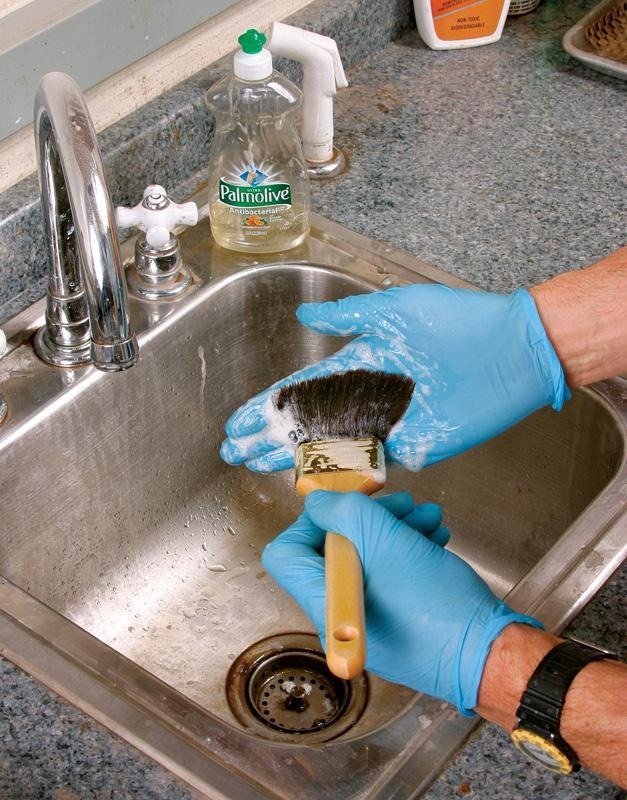
- Mild dish soap
- White vinegar
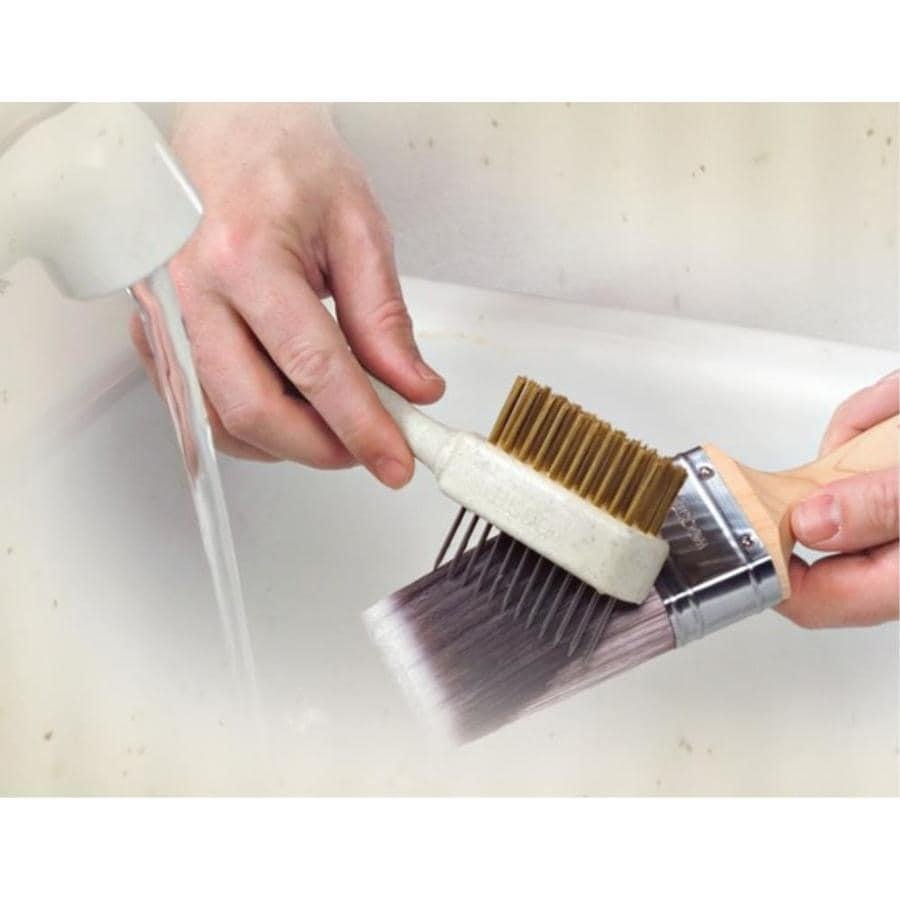
- Paint brush comb
- Small bucket or bowl
- Paper towels
- Old toothbrush
- Brush conditioner (optional)
- Paint thinner or mineral spirits (for oil paint only)
- Rubber gloves
FYI: Never mix different cleaning chemicals together.
Method 1: Soften Paint Brushes with Warm Soapy Water
Best For:
- Fresh latex paint
- Slightly stiff brushes
- Routine maintenance
This method works surprisingly well when the paint hasn’t fully cured.
Step 1
Fill a bowl with warm—not boiling—water.
Hot water can loosen the glue inside certain brushes.
Step 2
Add a few drops of dish soap.
Swirl the water until bubbles form.
Step 3
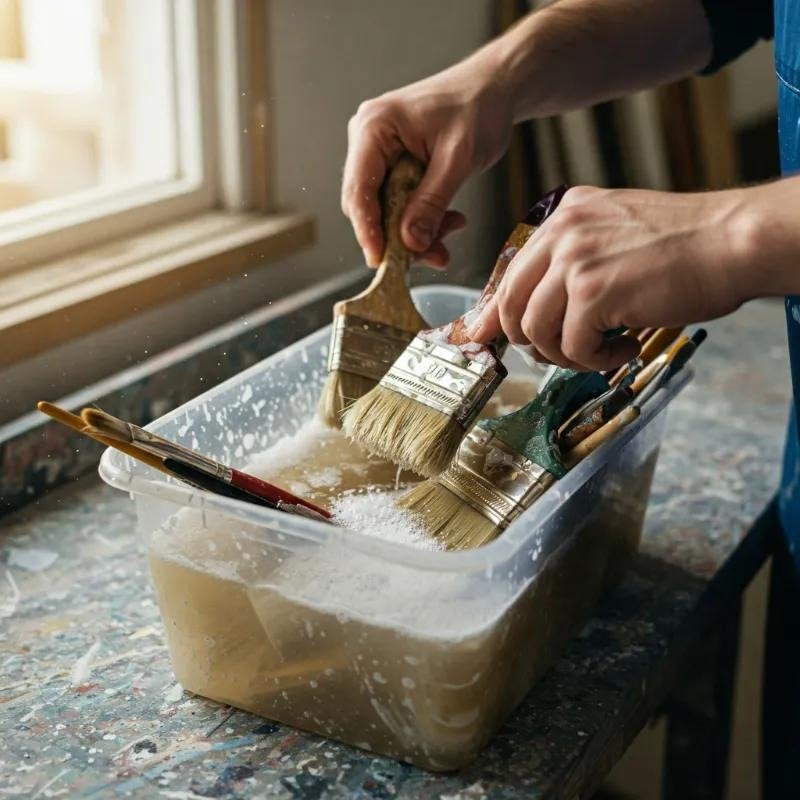
Soak the brush for 20–30 minutes.
Don’t leave the brush standing on its bristles because that bends them permanently.
Step 4
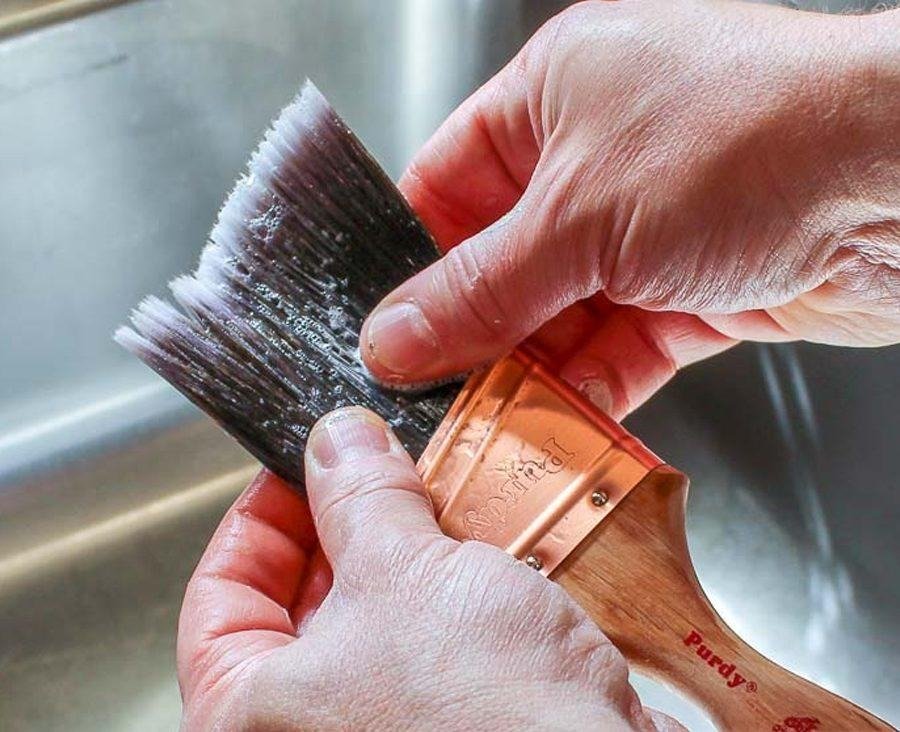
Massage the bristles gently with your fingers.
You’ll often see paint begin to loosen.
Step 5
Rinse thoroughly and repeat if needed.
Tips
- Use lukewarm water only.
- Comb through the bristles afterward.
- Reshape the brush before drying.
Bonus Tip: I always finish by hanging the brush upside down so water doesn’t seep into the handle.
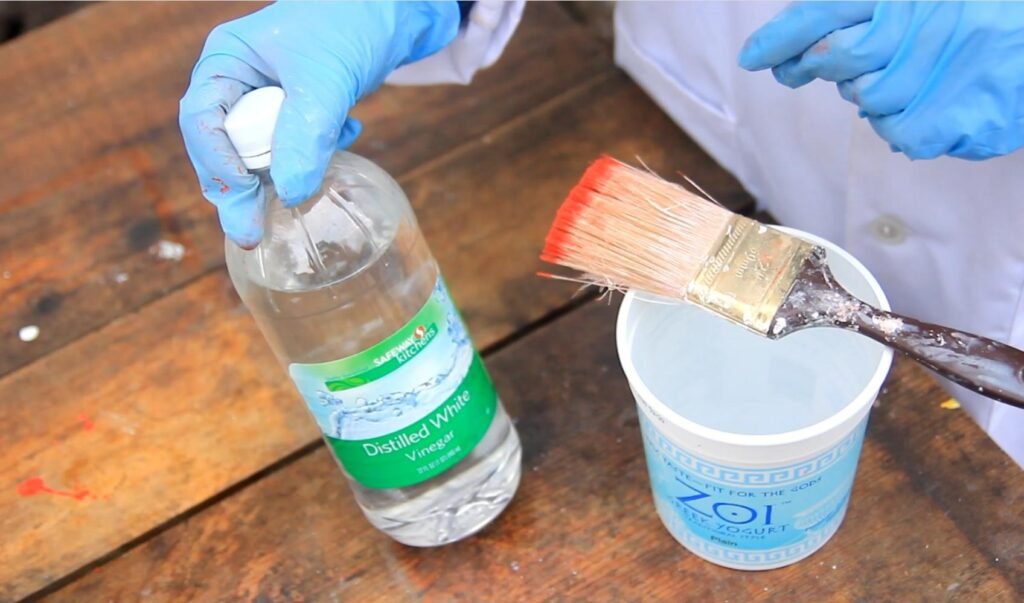
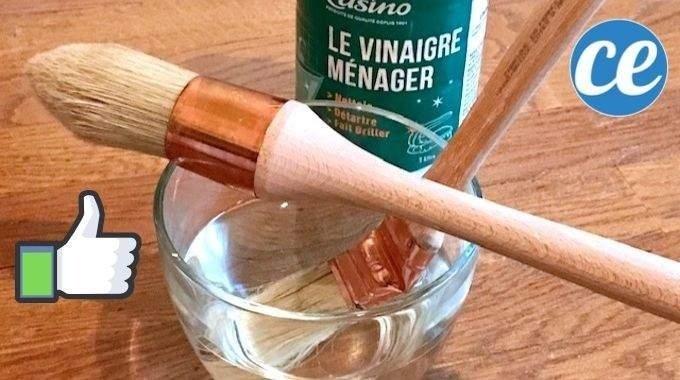
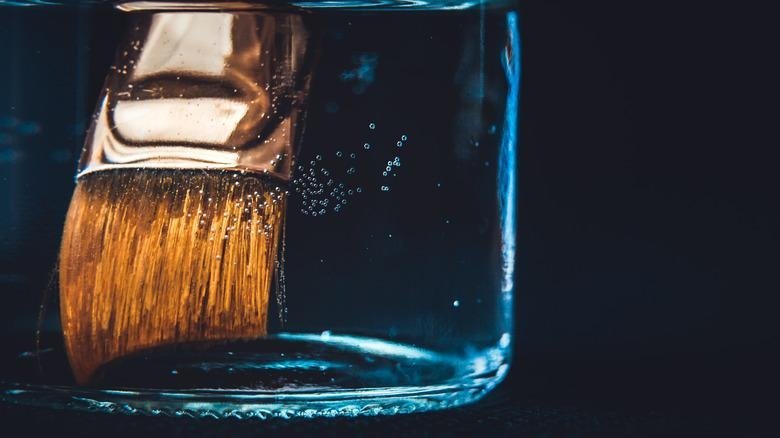
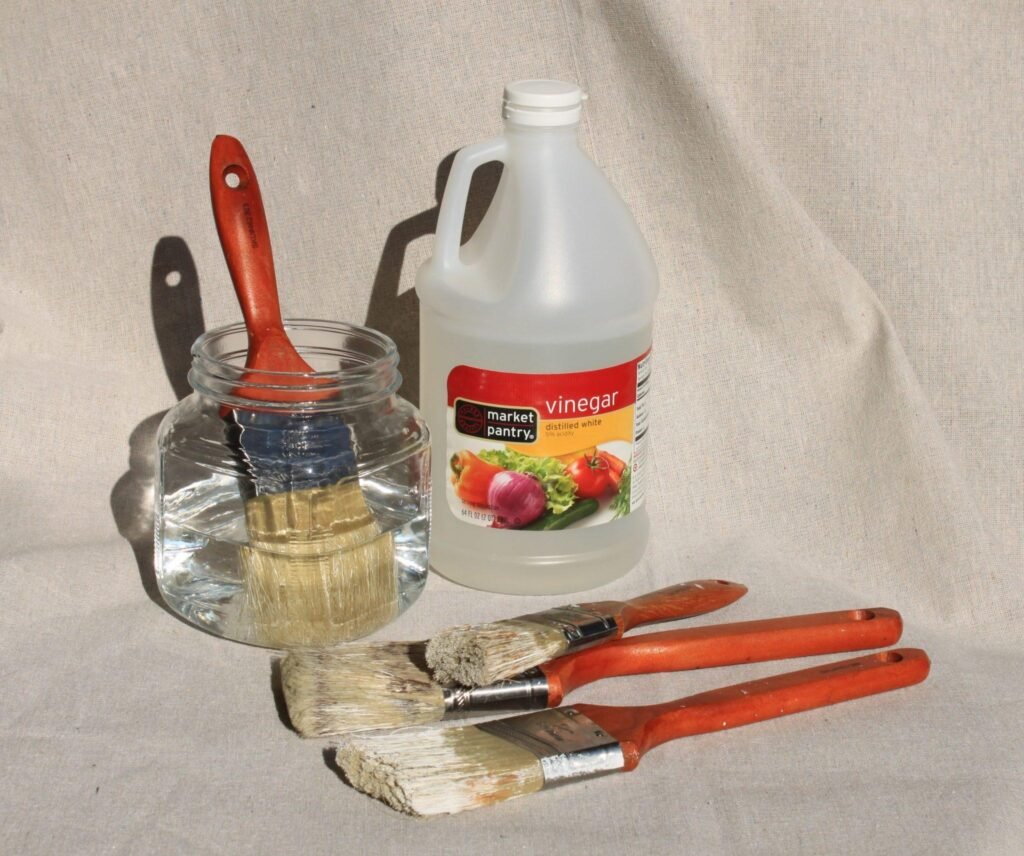
Method 2: Use White Vinegar for Hardened Brushes
Best For:
- Dried latex paint
- Acrylic paint
- Moderately hardened brushes
White vinegar softens dried paint surprisingly well.
Step 1
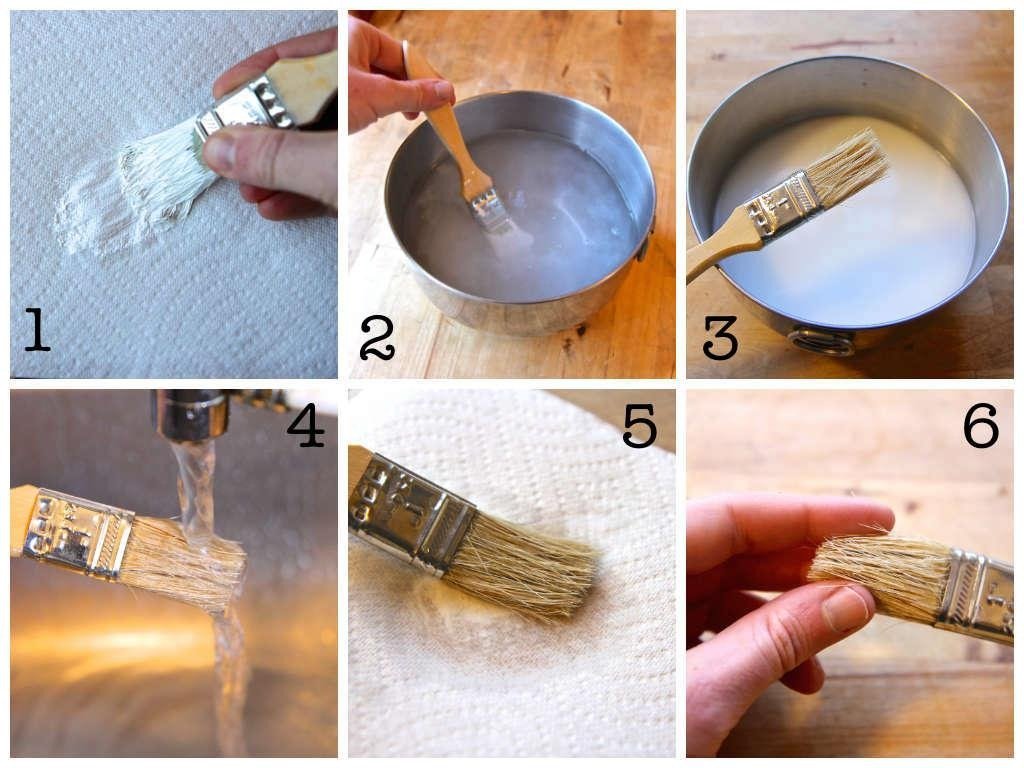
Heat white vinegar until it’s hot but not boiling.
Step 2
Pour it into a container.
Step 3
Place only the bristles into the vinegar.
Let them soak for 20–40 minutes.
Step 4
Brush the bristles gently with an old toothbrush.
Step 5
Wash thoroughly using soap and warm water.
Repeat if necessary.
Why It Works
The mild acidity helps loosen dried paint without damaging most brush fibers.
Tips
- Don’t boil the brush.
- Rinse immediately afterward.
- Comb the bristles while they’re still damp.
Bonus Tip: This method has saved several of my favorite angled brushes that looked completely hopeless.
Method 3: Use Fabric Softener Solution
Best For:
- Slightly stiff synthetic brushes
- Daily maintenance
This trick surprises many DIY enthusiasts.
Mix:
- 1 cup warm water
- 1 tablespoon liquid fabric softener
Let the brush soak for 15 minutes.
After soaking:
- Rinse thoroughly.
- Wash with mild soap.
- Reshape the brush.
Styling Tips
- Great for synthetic brushes.
- Avoid over-soaking natural bristles.
- Always rinse completely afterward.
Bonus Tip: The brush often feels smoother during your next painting session.
Method 4: Remove Oil-Based Paint with Mineral Spirits
Best For:
- Oil paint
- Alkyd paint
- Enamel paint
Water won’t dissolve oil-based paint.
Instead:
- Pour mineral spirits into a metal container.
- Swirl the brush gently.
- Wipe paint onto paper towels.
- Repeat with clean solvent.
- Wash using warm soapy water.
- Rinse well.
Important Safety Tips
- Work outdoors.
- Wear gloves.
- Keep away from flames.
- Store solvents safely.
Bonus Tip: Finish with brush conditioner to restore flexibility.
Method 5: Use a Commercial Paint Brush Cleaner
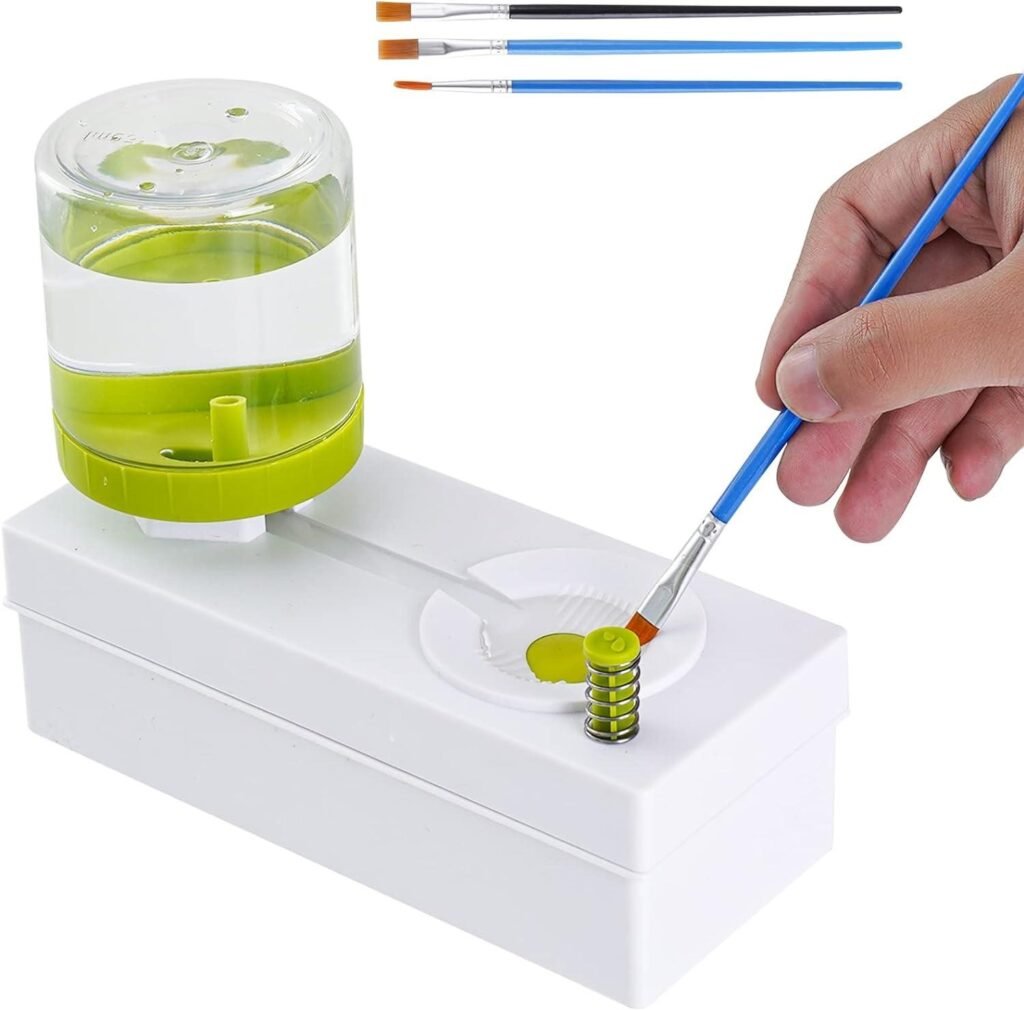
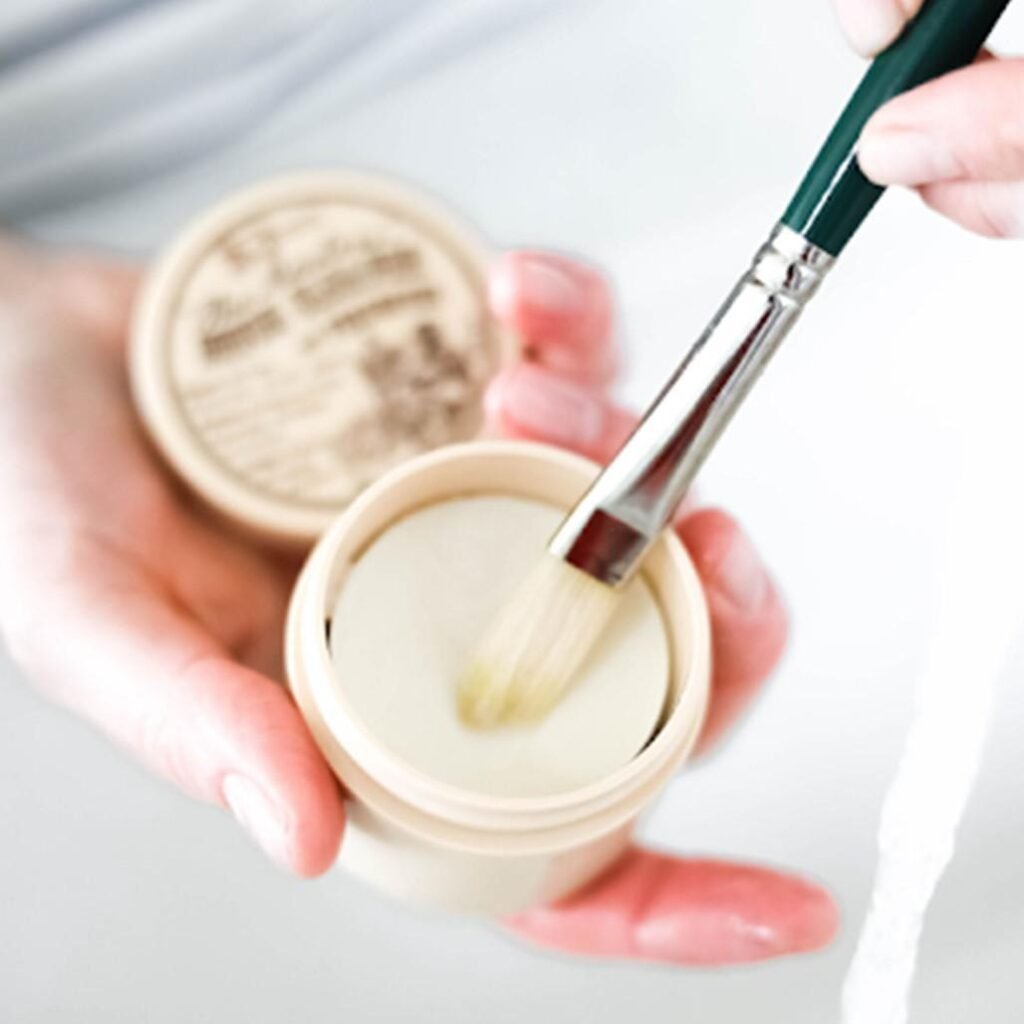
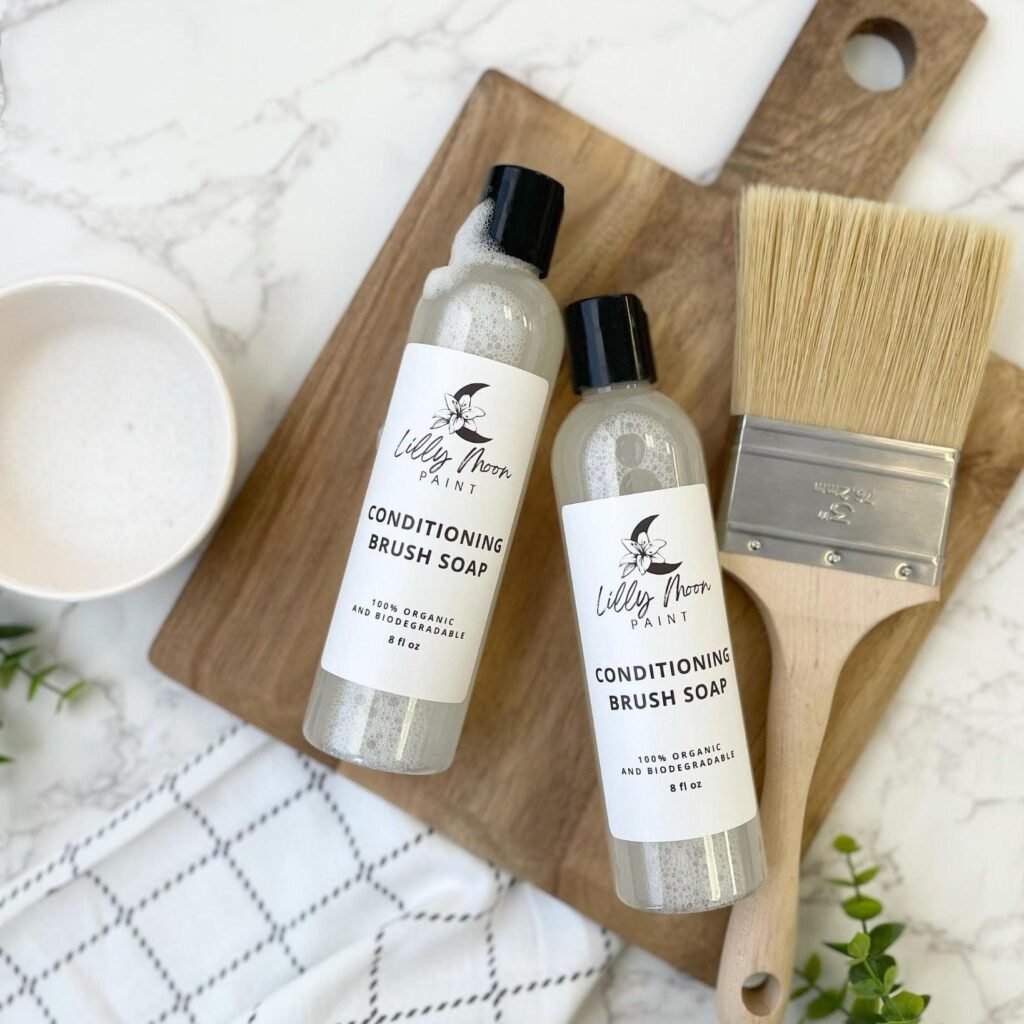
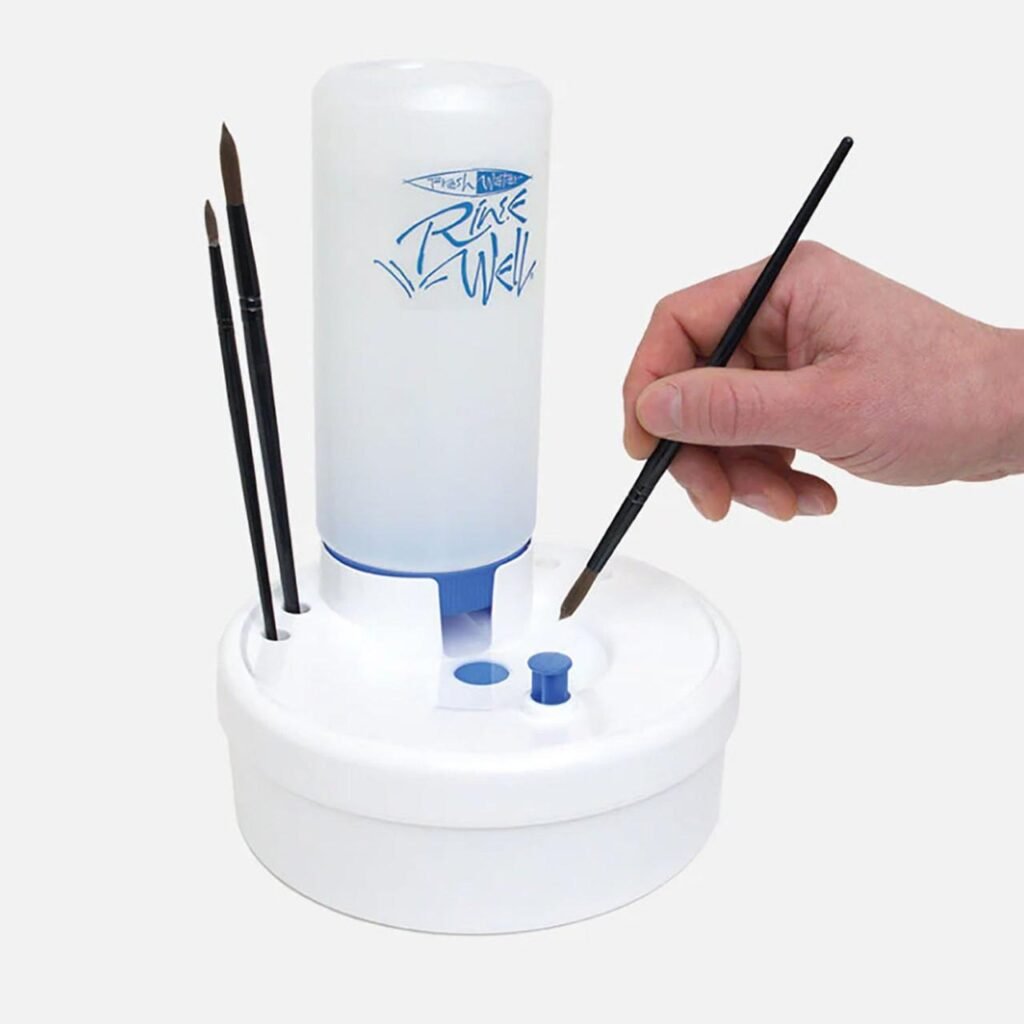
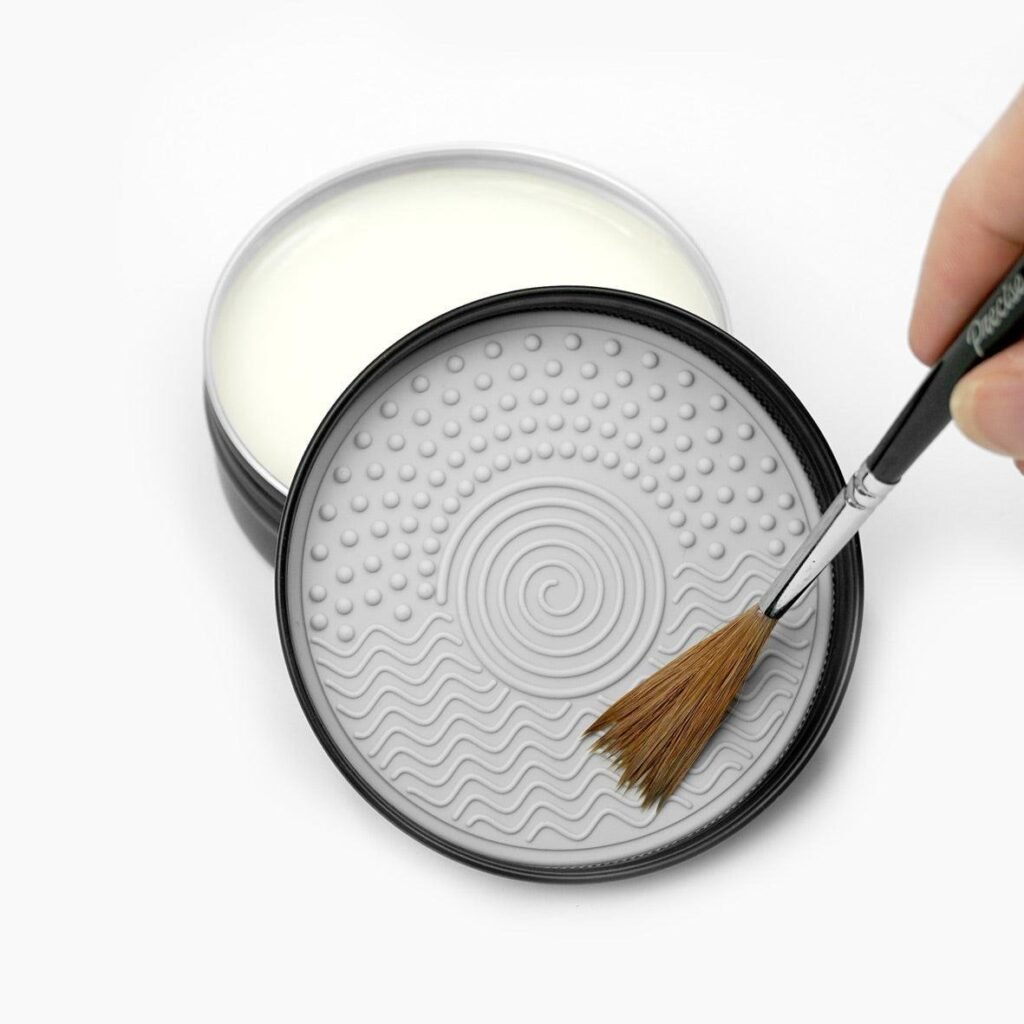
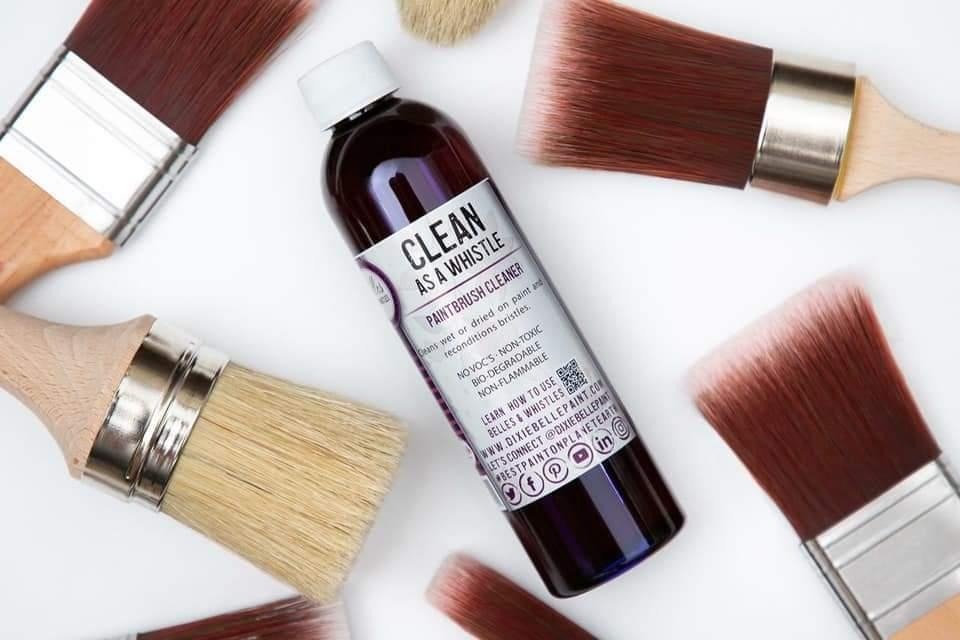
Sometimes homemade methods simply aren’t enough.
Commercial cleaners work well for:
- Heavy paint buildup
- Expensive brushes
- Professional painters
Follow the product directions carefully.
Advantages
- Faster cleaning
- Less scrubbing
- Better paint removal
- Helps extend brush life
Things to Watch
- Read safety labels.
- Wear gloves.
- Store away from children.
Bonus Tip: If you paint often, a quality brush cleaner pays for itself quickly.
Method 6: Comb Out Dried Paint
Many people skip this step.
That’s a mistake.
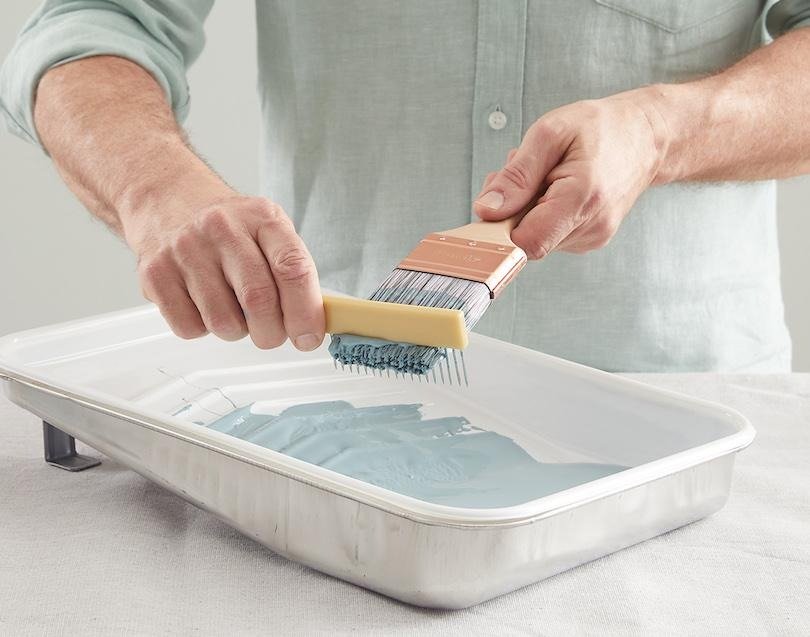
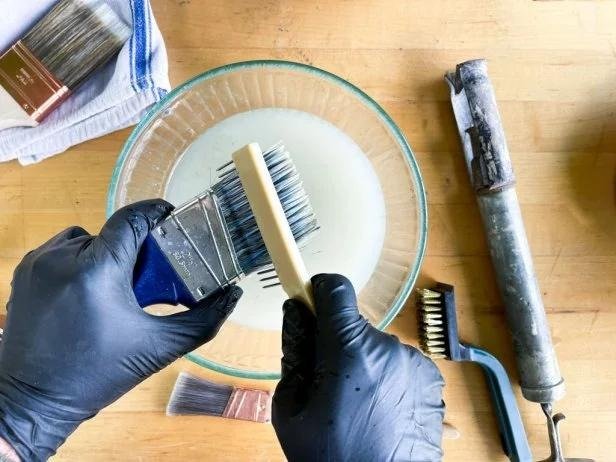
A brush comb reaches dried paint trapped near the ferrule where fingers can’t.
How to Use It
- Wet the brush first.
- Comb from ferrule to tip.
- Remove loosened paint.
- Rinse frequently.
Benefits
- Restores flexibility
- Prevents clumping
- Improves paint flow
Bonus Tip: Never yank aggressively. Gentle strokes protect the bristles.
Method 7: Condition the Bristles
Once the paint disappears, the brush still deserves a little care.
Think of it like conditioner after shampoo.
Brush conditioner helps:
- Restore softness
- Reduce brittleness
- Improve flexibility
- Extend lifespan
Massage a small amount into clean bristles.
Let it sit briefly.
Rinse lightly.
Reshape before drying.
IMO, this simple habit makes premium brushes last much longer.
Can You Save Completely Rock-Hard Brushes?
Sometimes.
Sometimes not.
Here are signs your brush still has hope:
✅ Bristles bend slightly.
✅ Paint flakes off.
✅ Ferrule remains secure.
Unfortunately, replacement usually makes more sense when:
- Bristles snap easily.
- Handle splits.
- Ferrule loosens.
- Paint forms one solid block.
No cleaning trick can fix broken bristles.
Common Mistakes That Make Brushes Worse
People often damage brushes while trying to save them.
Avoid these mistakes:
- Using boiling water
- Leaving brushes soaking overnight
- Scrubbing too aggressively
- Using wire brushes
- Drying upright while wet
- Skipping the final rinse
A little patience works much better than brute force.
Natural vs Synthetic Brushes
Different brushes need different care.
| Feature | Natural Bristles | Synthetic Bristles |
| Water-based paint | Good | Excellent |
| Oil-based paint | Excellent | Good |
| Heat resistance | Moderate | Higher |
| Vinegar cleaning | Use carefully | Very good |
| Soap cleaning | Excellent | Excellent |
Knowing your brush type helps you choose the safest cleaning method.
How to Prevent Paint Brushes from Becoming Hard Again
Honestly, prevention saves far more time than restoration.
Follow these habits every time you paint:
- Clean brushes immediately.
- Never let paint dry.
- Rinse thoroughly.
- Remove paint near the ferrule.
- Reshape bristles.
- Dry horizontally or hang them.
- Store brushes in protective sleeves.
These simple habits can double—or even triple—the life of your favorite brushes.
Frequently Asked Questions
Can vinegar ruin paint brushes?
No. White vinegar works safely for most synthetic and many natural brushes when you use it correctly and avoid excessive heat.
Can I use hair conditioner?
You can, but brush conditioner works better because it leaves less residue.
How long should I soak a paint brush?
Usually 20–40 minutes works well. Very hard brushes may need several treatment cycles.
Can I use acetone?
Only in specific situations. Acetone may damage certain synthetic bristles and painted handles.
Why are my brush bristles still stiff?
Paint often hides inside the ferrule. Clean that area thoroughly using a brush comb.
Should I cut stiff bristles?
No.
Cutting ruins the brush shape and affects paint coverage.
Final Thoughts
Learning how to soften paint brushes can save money, improve your painting results, and keep your favorite tools working for years. Most brushes don’t need replacing—they simply need the right cleaning method and a little patience.
Start with warm soapy water for light buildup, move to white vinegar for tougher dried paint, and use mineral spirits only for oil-based paints. Finish every cleaning session by reshaping and drying your brush properly.
The next time you discover a forgotten brush that feels more like a wooden stick than a painting tool, don’t toss it just yet. Give one of these methods a try—you might be surprised at how easily you bring it back to life.