How to Get Acrylic Paint Off of Paint Brushes (Without Ruining Them)
Acrylic paint dries fast. That’s great when you’re painting, but it’s not so great when you forget about your brushes for “just five minutes”… and suddenly they’re as stiff as a toothbrush left in cement.
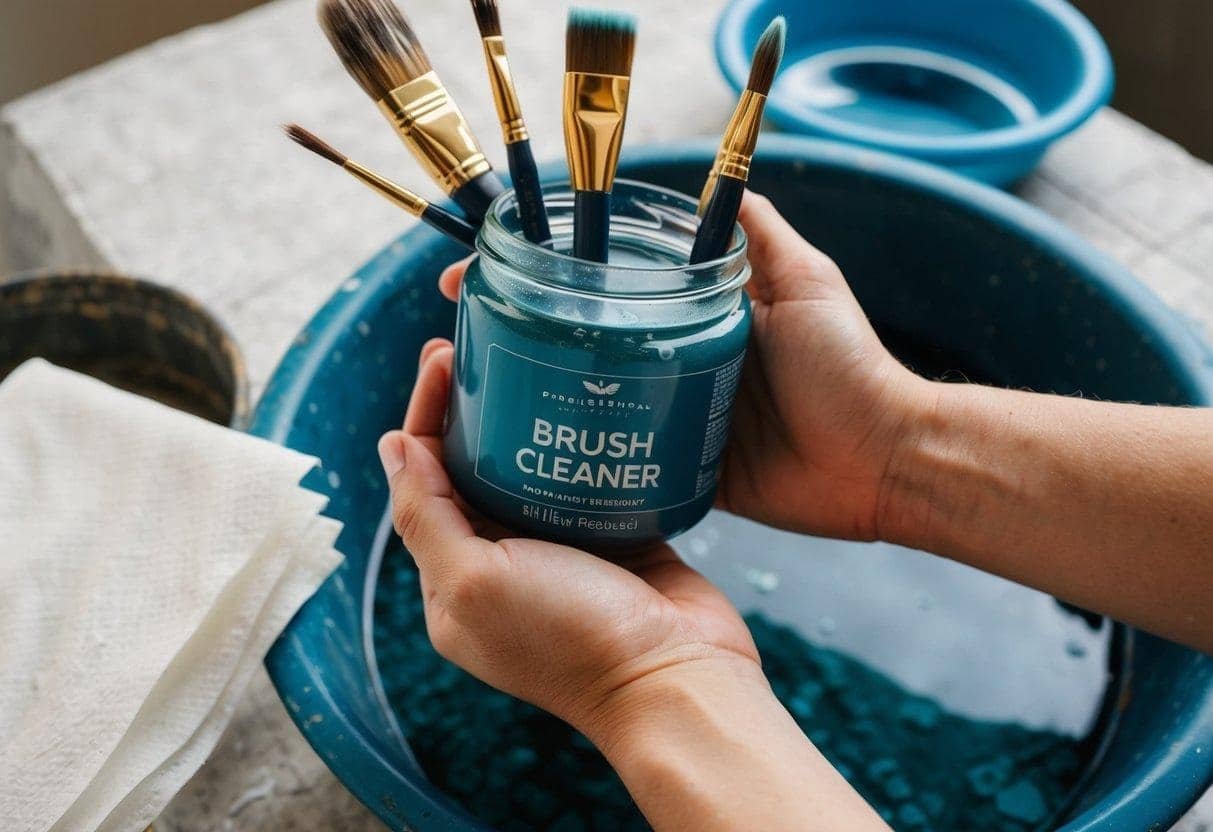
If you’ve ever picked up your favorite paintbrush only to discover it feels like a tiny wooden stick with crunchy bristles, don’t worry—you probably haven’t ruined it. I’ve rescued more paintbrushes than I’d like to admit, usually after telling myself, “I’ll wash it after this one last stroke.” Spoiler alert: there was never just one last stroke.
The good news? You can often remove acrylic paint from paint brushes, even after it has dried. The trick is choosing the right cleaning method before you accidentally destroy the bristles while trying to save them.
In this guide, I’ll show you exactly how to get acrylic paint off of paint brushes, the best products to use, mistakes to avoid, and a few tricks that have saved my favorite brushes more times than I can count.
Table of Contents
Why Acrylic Paint Is So Difficult to Remove
Before grabbing every cleaning product under your sink, it helps to understand why acrylic paint sticks so well.
Unlike watercolor, acrylic paint contains acrylic polymers that create a flexible plastic film once the water evaporates. That means after the paint dries, you’re not simply washing away color—you’re trying to soften plastic.
Ever wondered why warm water works when the paint is fresh but barely touches dried paint? That’s exactly why.
The faster you clean your brushes, the easier your job becomes.
Supplies You’ll Need
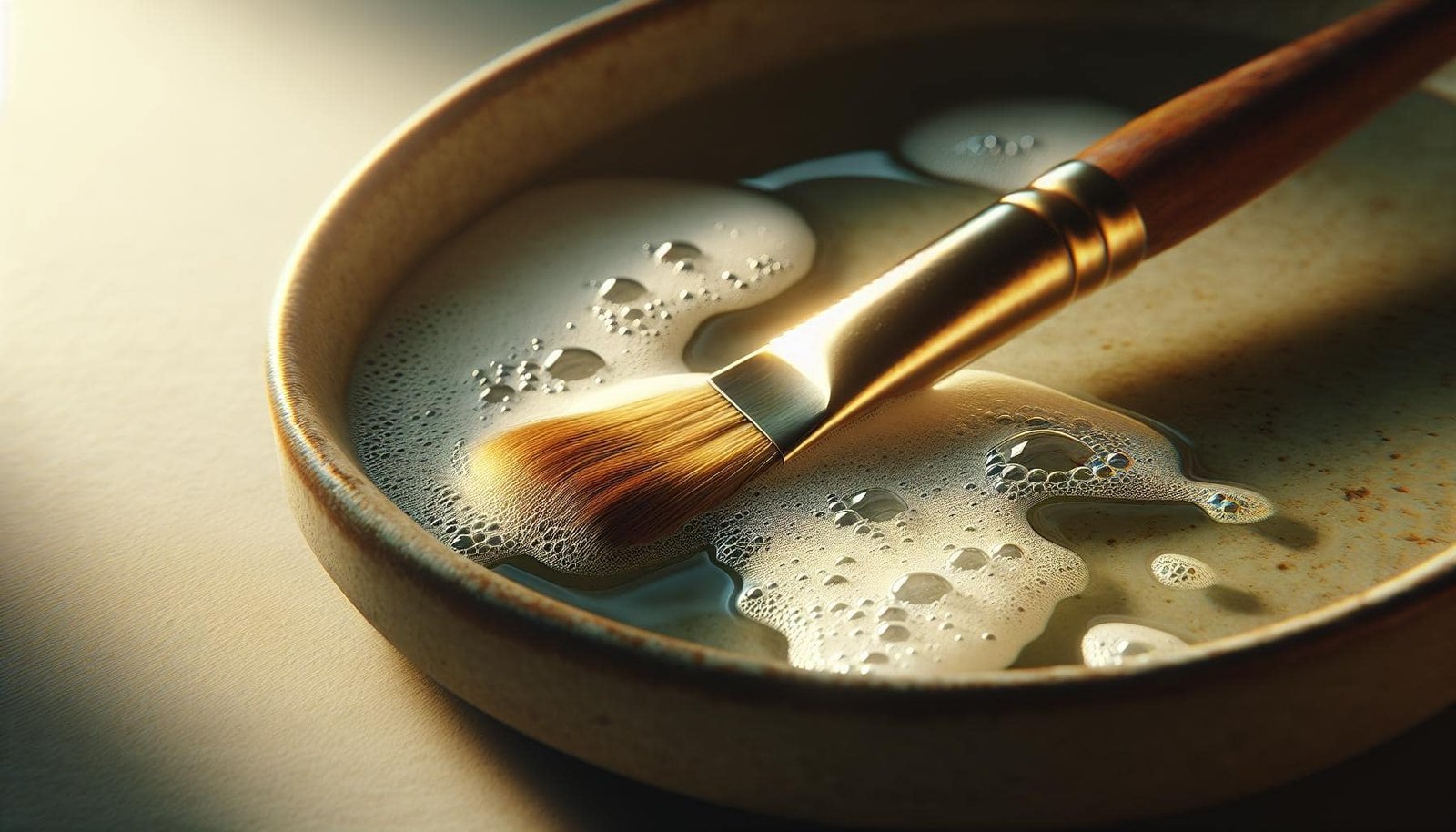
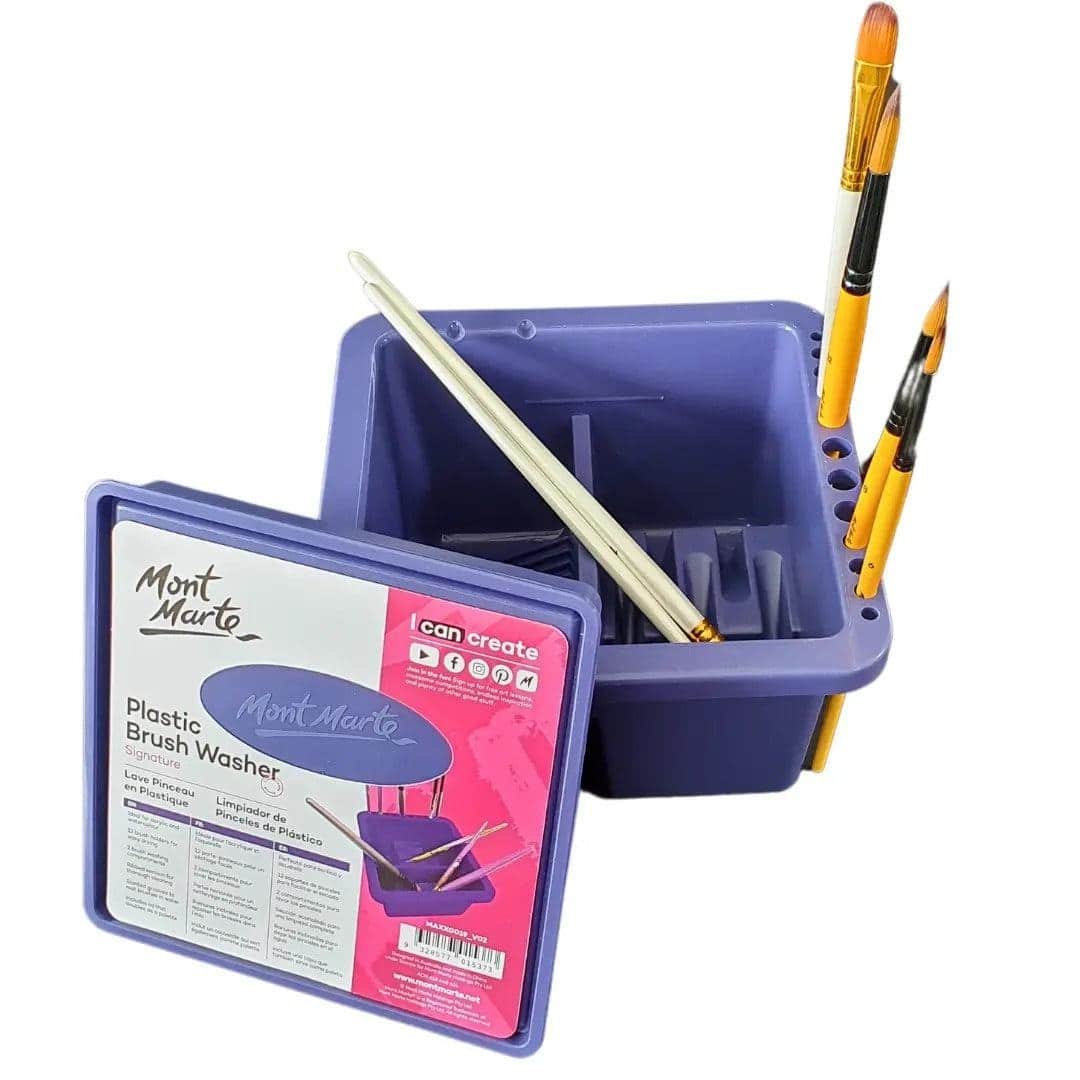
Keep these supplies nearby before you begin:
- Warm (not boiling) water
- Mild dish soap
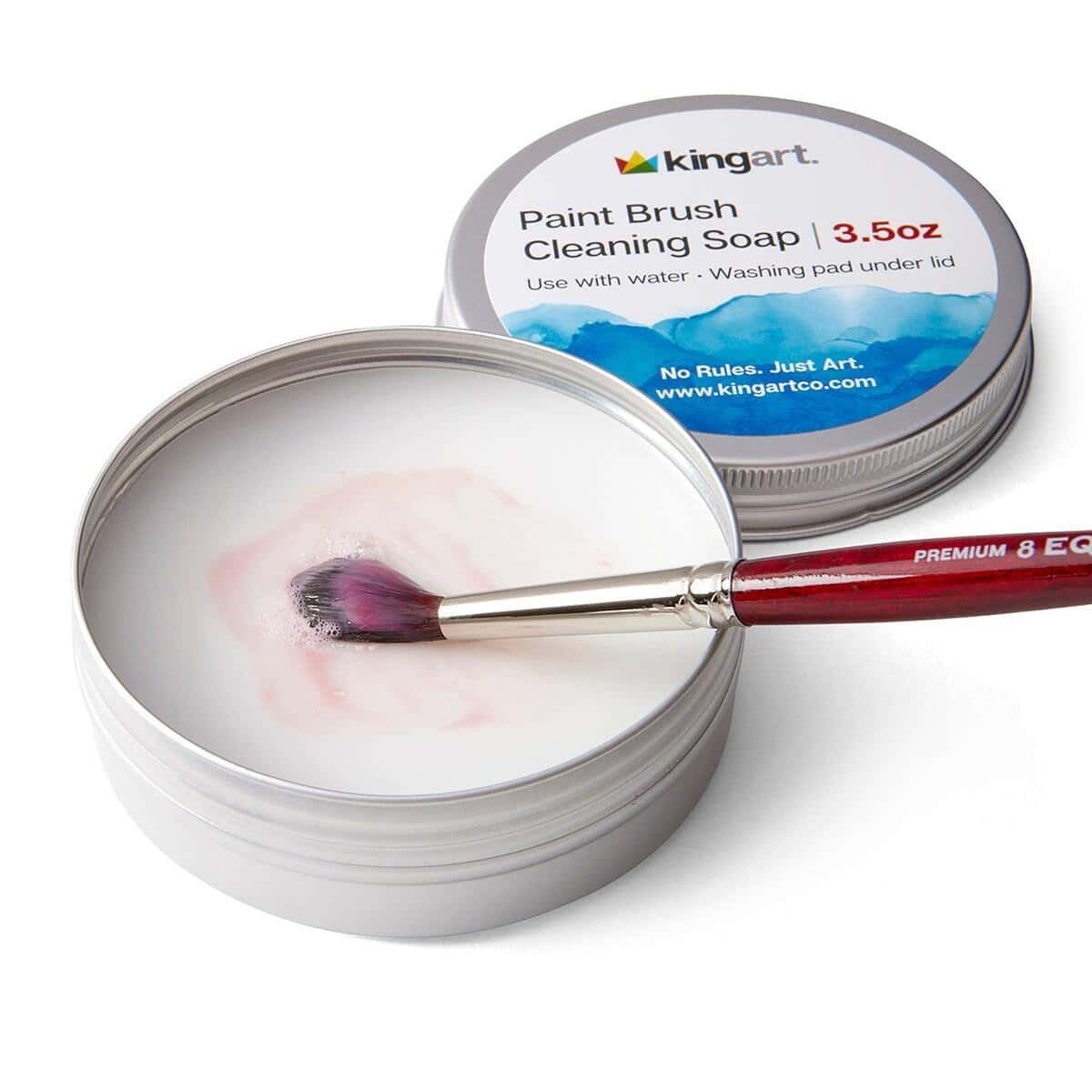
- Brush soap or artist brush cleaner
- Paper towels
- Small container or jar
- Old toothbrush
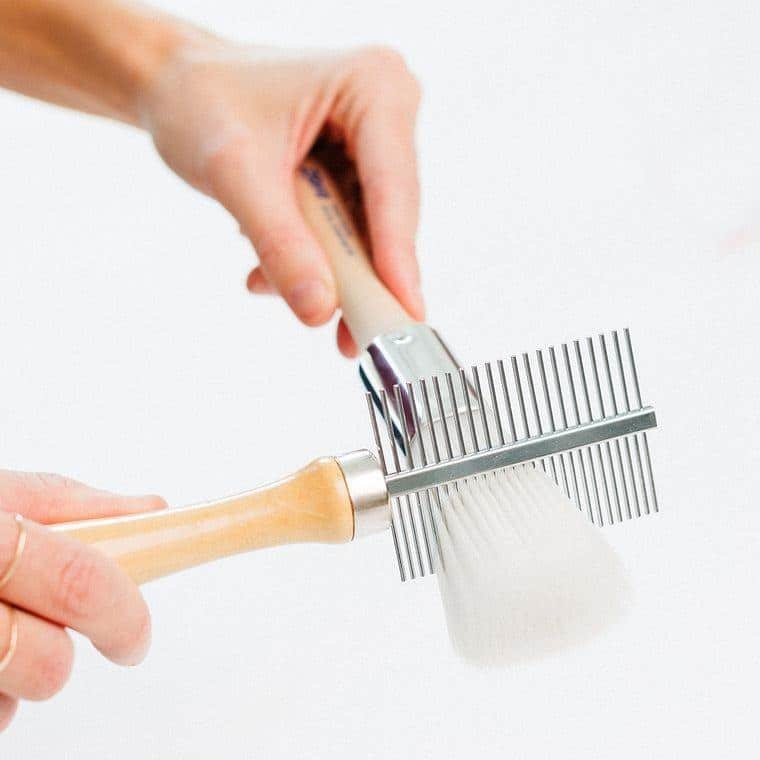
- Brush comb (optional)
- White vinegar (for stubborn paint)
- Rubbing alcohol (only if necessary)
Tip: Avoid extremely hot water because it can loosen the glue that holds the brush bristles inside the ferrule.
Idea 1: Wash Fresh Acrylic Paint Immediately
Fresh acrylic paint comes off surprisingly easily if you act fast.
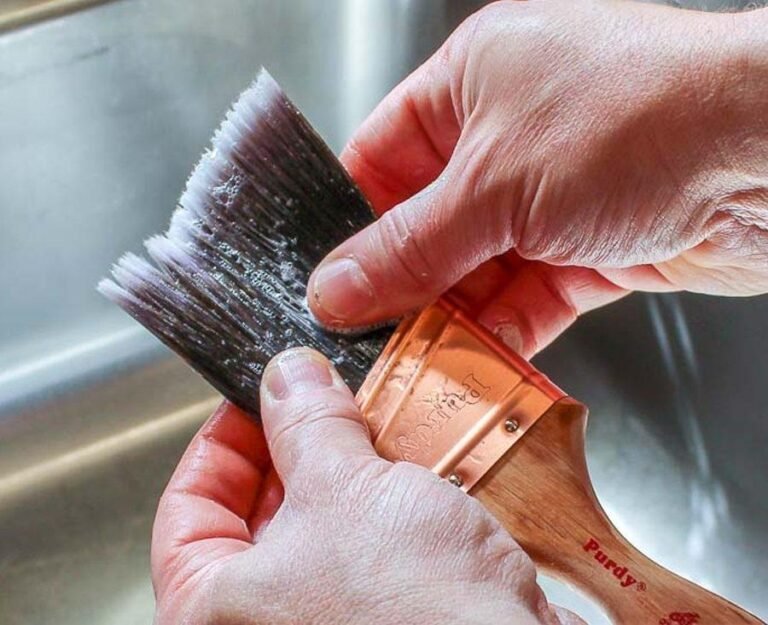
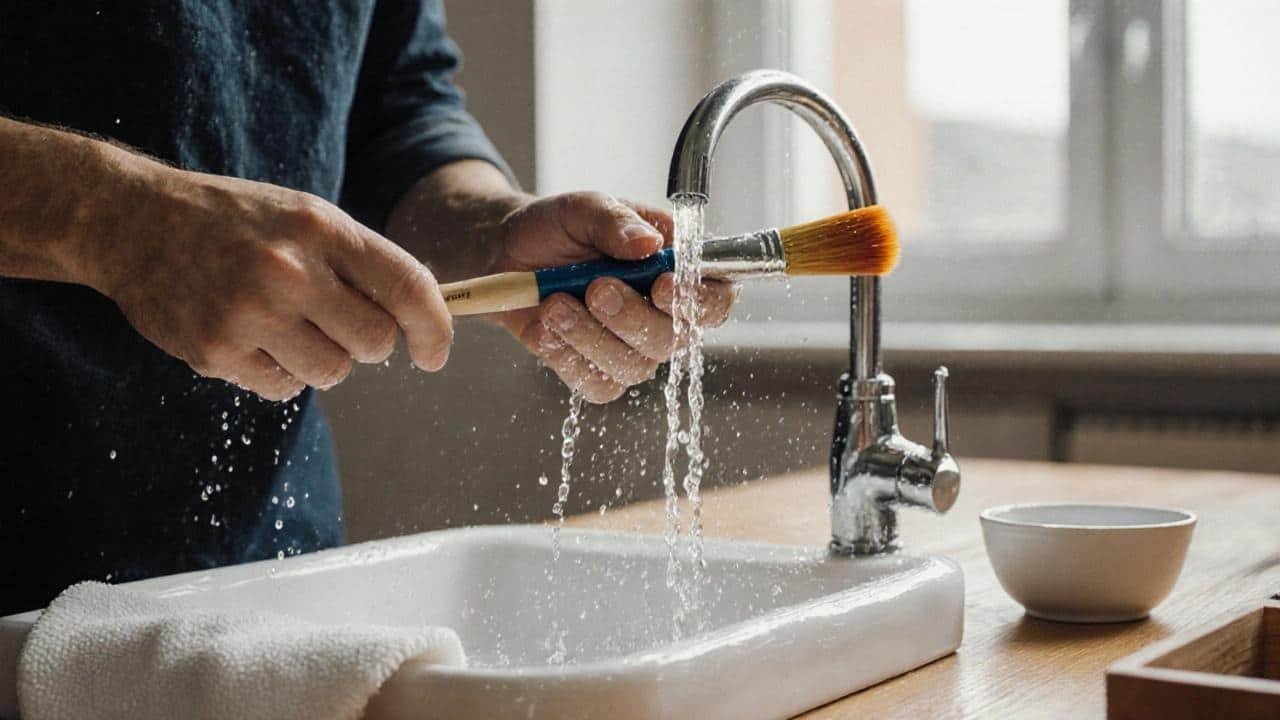
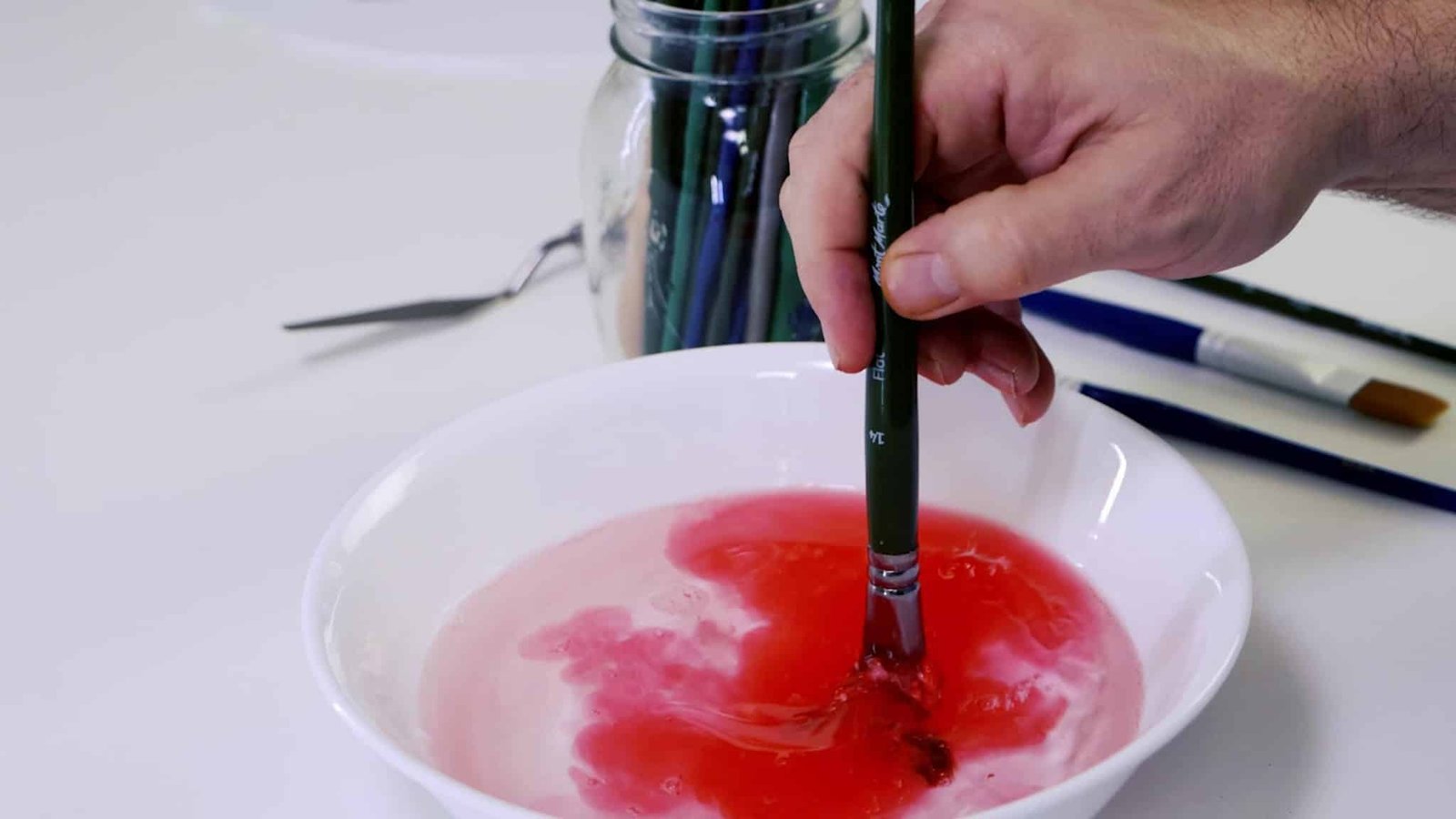
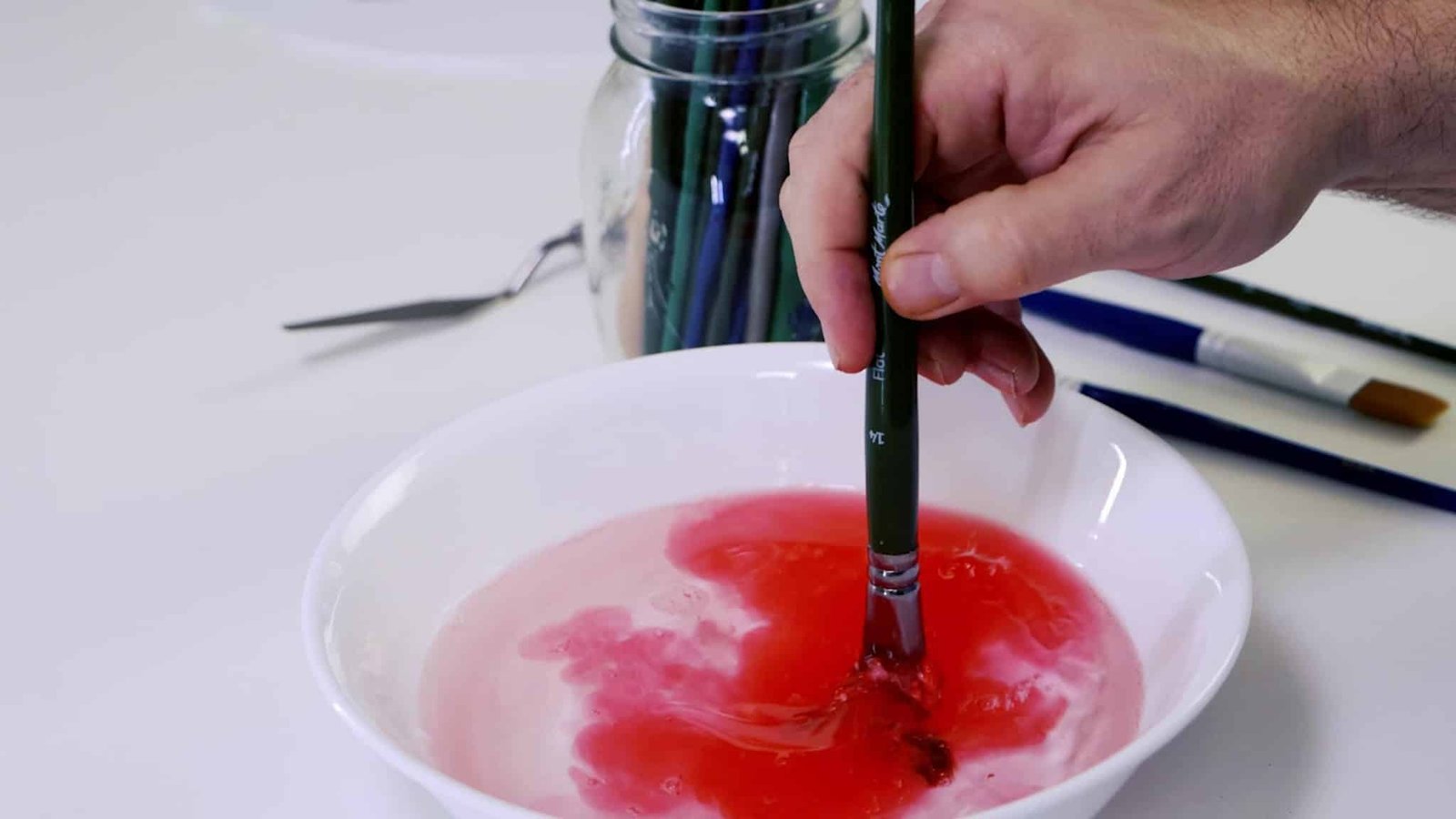
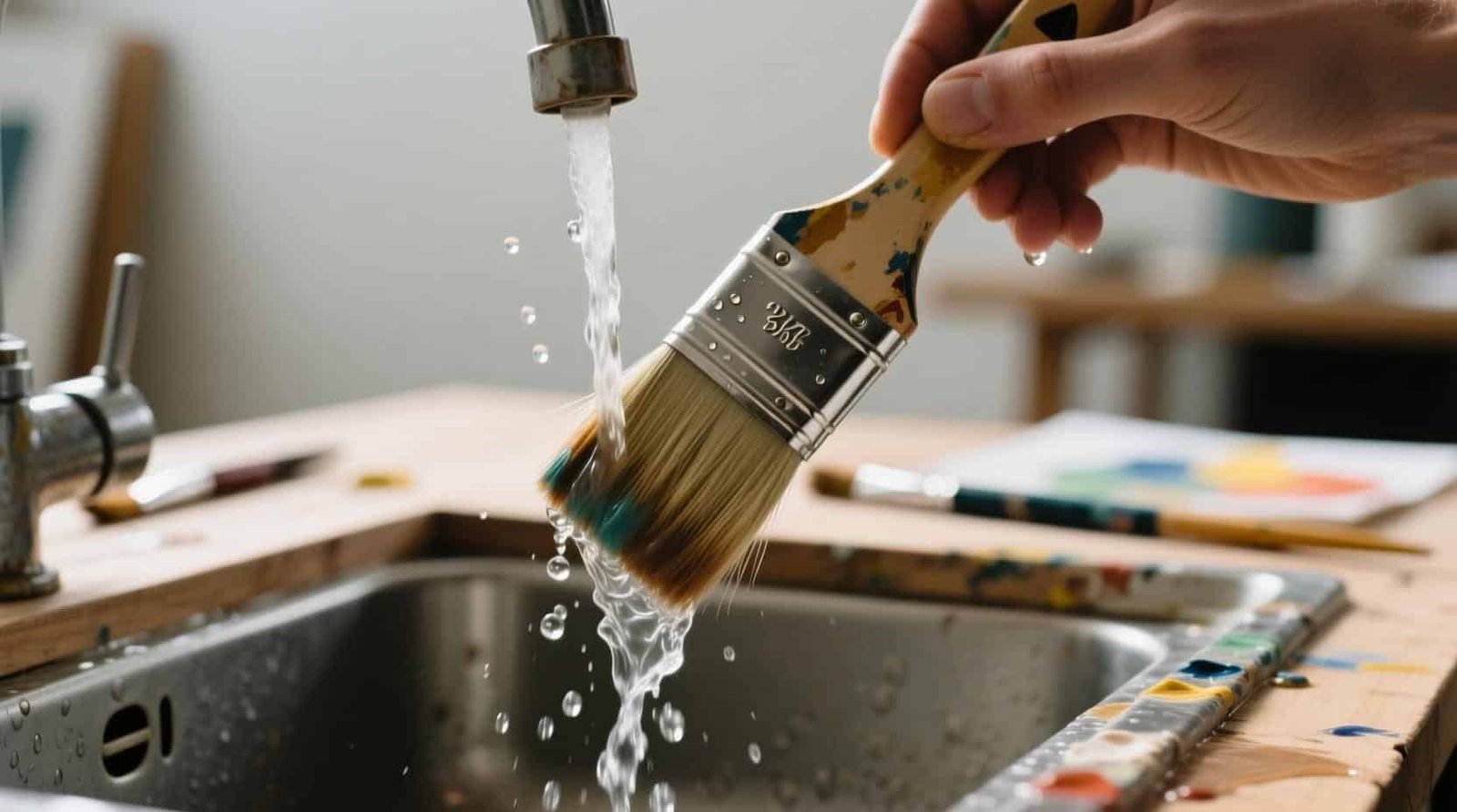
As soon as you finish painting, rinse your brush under warm running water. Swirl the brush gently while using your fingers to massage paint from the bristles. Then apply a little dish soap or brush soap and work it through the brush until the foam stays white instead of colorful. Repeat the process until the water runs completely clear. IMO, this simple habit saves more brushes than any expensive cleaner ever could.
Quick Cleaning Tips
- Use warm water instead of hot water
- Wash brushes after every paint color
- Shape the bristles before drying
- Dry brushes horizontally
Bonus Tip: Never leave brushes sitting upright in water. They may look relaxed, but they’re secretly getting damaged.
Idea 2: Soak Dried Brushes in Warm Soapy Water
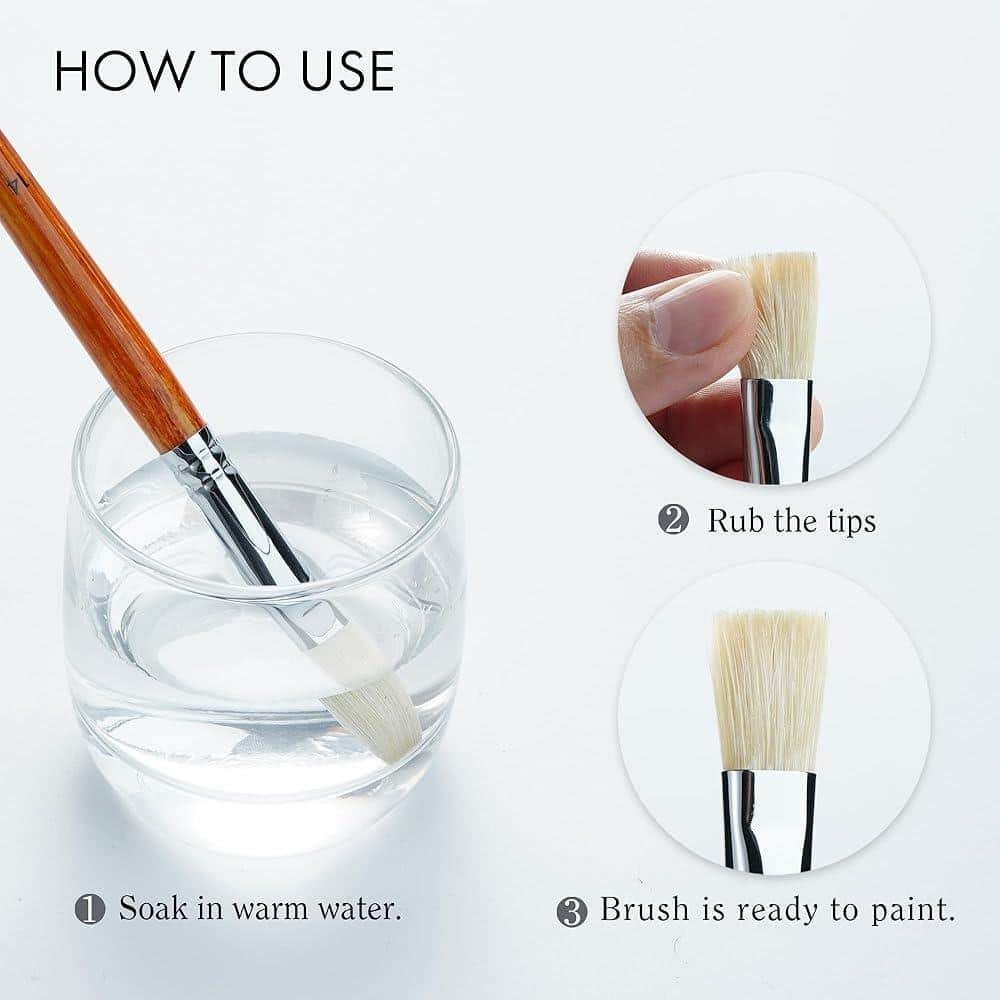
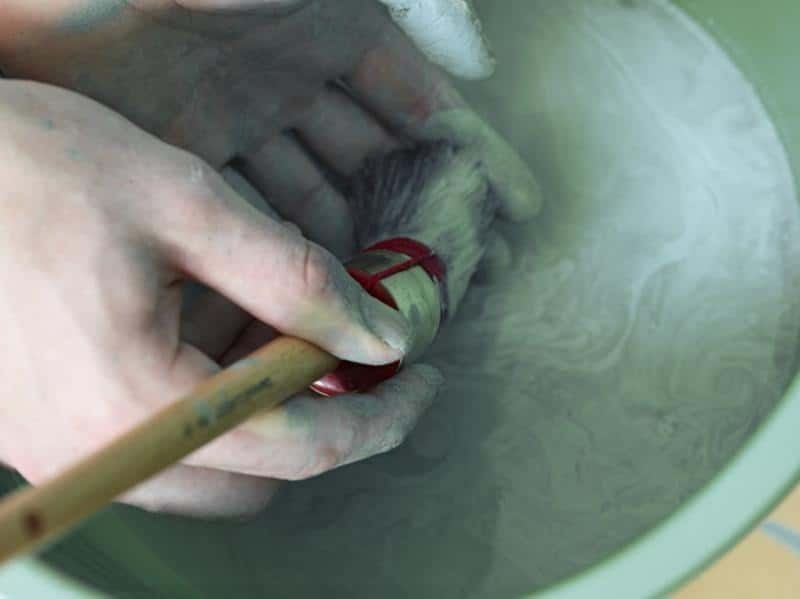
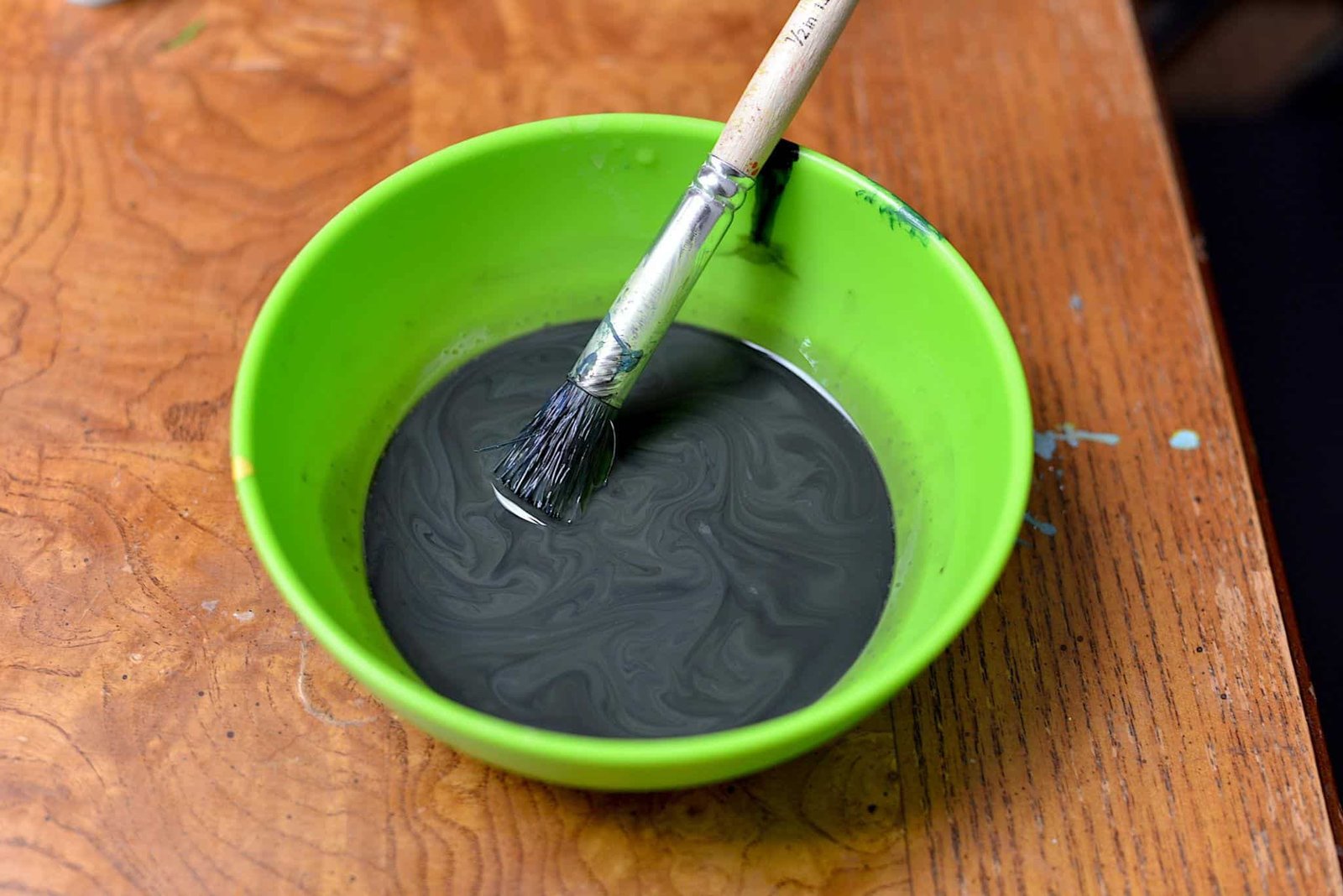
If the paint has already dried, don’t panic.
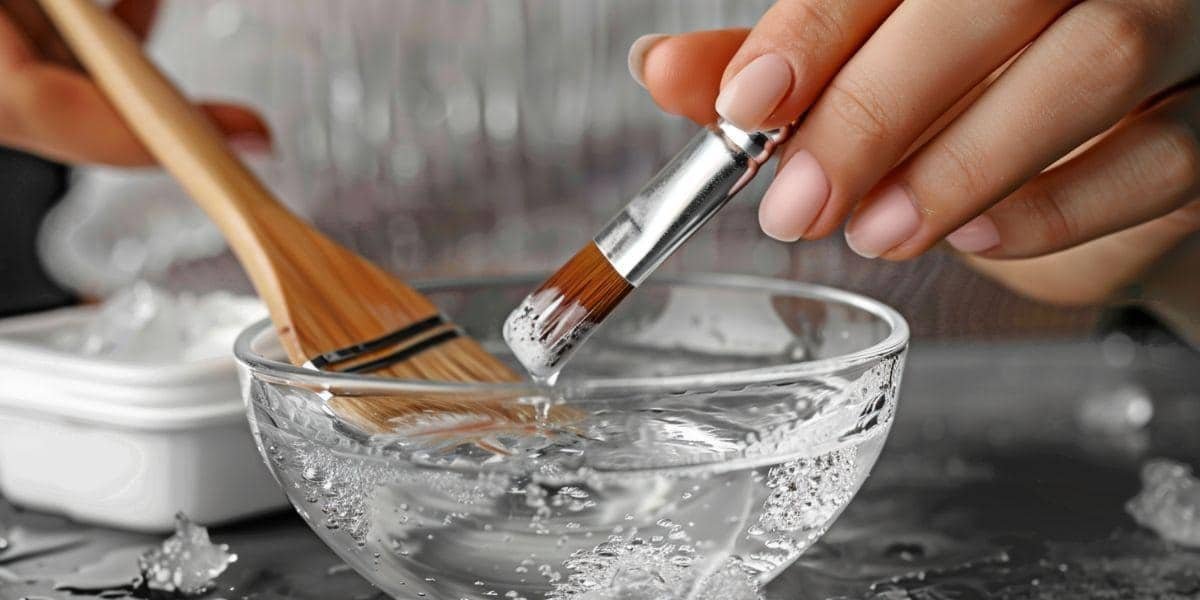
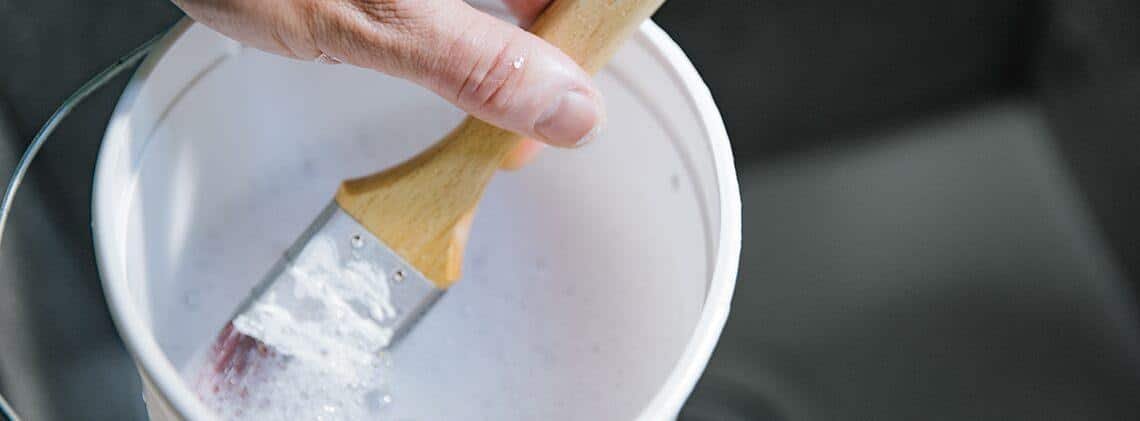
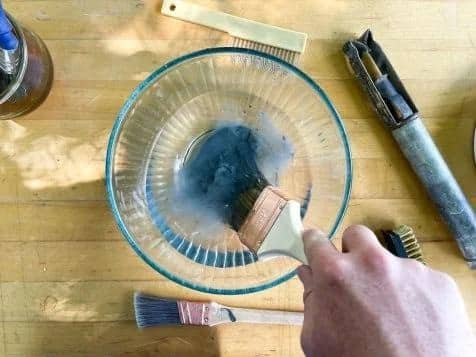
Fill a small container with warm soapy water and let only the bristles soak for about 20–30 minutes. After soaking, gently massage the paint loose with your fingers or use an old toothbrush to remove softened paint. Repeat the process if necessary instead of forcing the paint out.
Best Soaking Practices
- Keep only bristles underwater
- Check every 10 minutes
- Massage gently
- Rinse thoroughly afterward
Bonus Tip: Patience beats brute force every time. Scrubbing aggressively usually ruins more brushes than dried paint does.
Idea 3: Use Artist Brush Soap
Brush soap exists for a reason, and honestly, it’s worth every penny if you paint regularly.
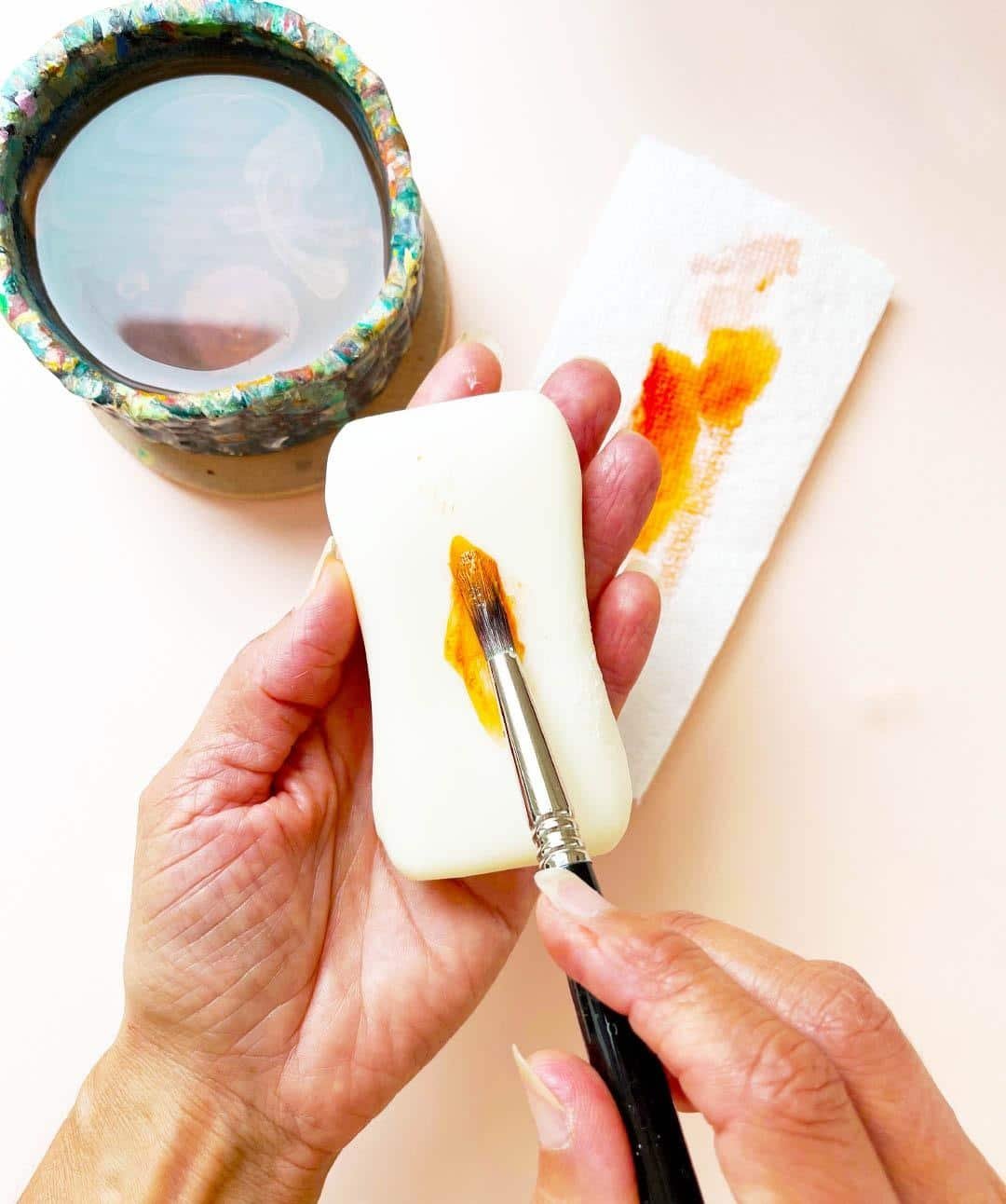
Unlike regular soap, artist brush soap conditions natural and synthetic bristles while removing stubborn acrylic residue. Wet the brush, swirl it over the soap, create a rich lather, then gently work the soap into the bristles before rinsing.
Why Brush Soap Works
- Removes dried paint better
- Conditions bristles
- Helps reshape brush tips
- Extends brush life
Bonus Tip: I keep a small container of brush soap beside my painting table so I never have an excuse to skip cleaning.
Idea 4: Try White Vinegar for Hardened Paint
White vinegar softens stubborn acrylic surprisingly well.
Heat a small amount until it’s warm—not boiling—and soak the bristles for around 20 minutes. After soaking, gently comb through the softened paint using your fingers or a brush comb.
Ever wondered why artists still recommend vinegar after all these fancy cleaners? Because sometimes the old-school solutions simply work.
Vinegar Cleaning Tips
- Warm the vinegar gently
- Don’t boil it
- Rinse thoroughly afterward
- Wash with soap afterward to remove odor
Bonus Tip: FYI, vinegar smells terrible while you’re cleaning, but the smell disappears once the brush dries. 🙂
Idea 5: Use Rubbing Alcohol Carefully
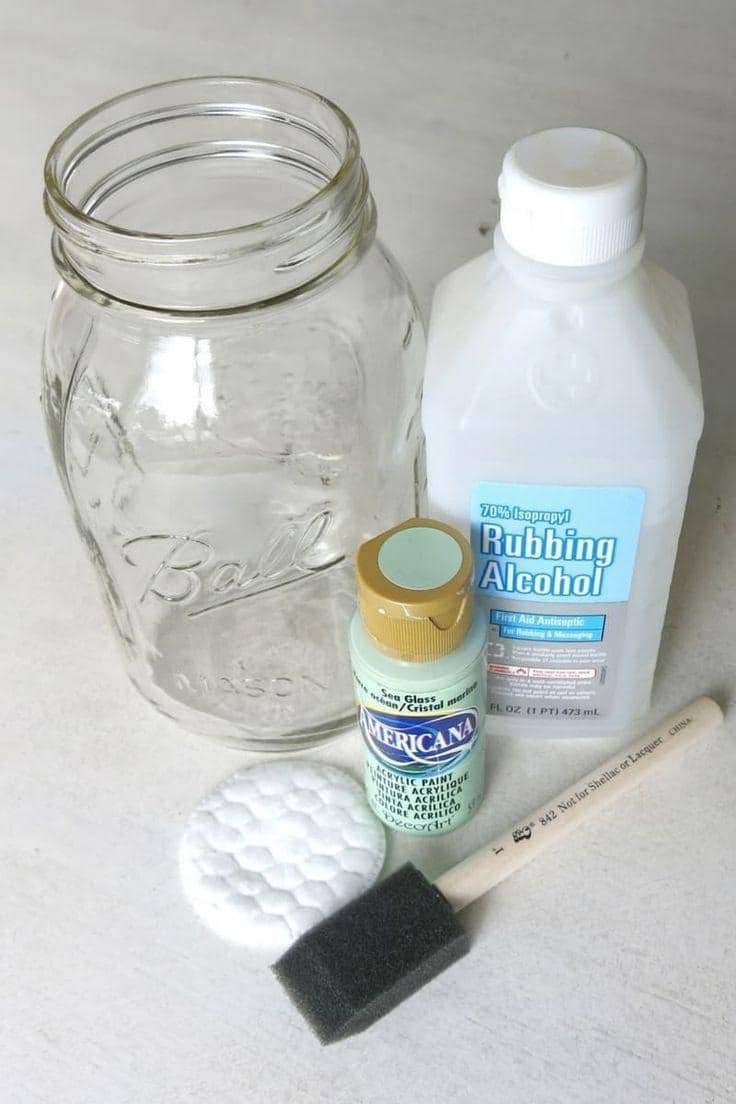
Rubbing alcohol works well when water no longer helps.
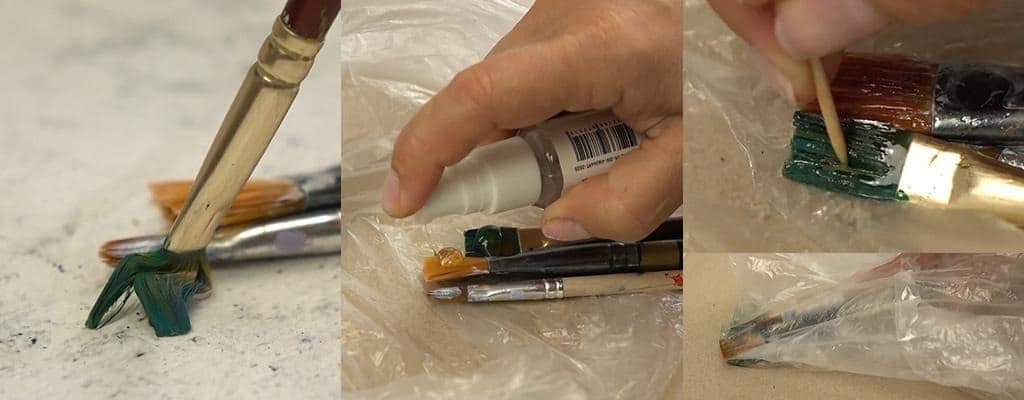
Pour a small amount into a container and soak only the painted bristles for five to ten minutes. Gently loosen the paint with your fingers before washing thoroughly with soap and water.
Alcohol Safety Tips
- Use in a ventilated area
- Limit soaking time
- Wash afterward with soap
- Condition natural bristles afterward
Bonus Tip: Avoid making alcohol your everyday cleaner. It works well occasionally but can dry out brush fibers.
Idea 6: Remove Paint with a Brush Comb
A brush comb reaches dried paint hiding deep near the ferrule.
After soaking the brush, gently pull the comb from the ferrule toward the tip. This removes hidden paint that fingers often miss.
Comb Techniques
- Always comb downward
- Never pull sideways
- Use light pressure
- Repeat after rinsing
Bonus Tip: Most brush damage happens near the ferrule, not the tip.
Idea 7: Restore Brush Shape After Cleaning
Cleaning isn’t the final step.
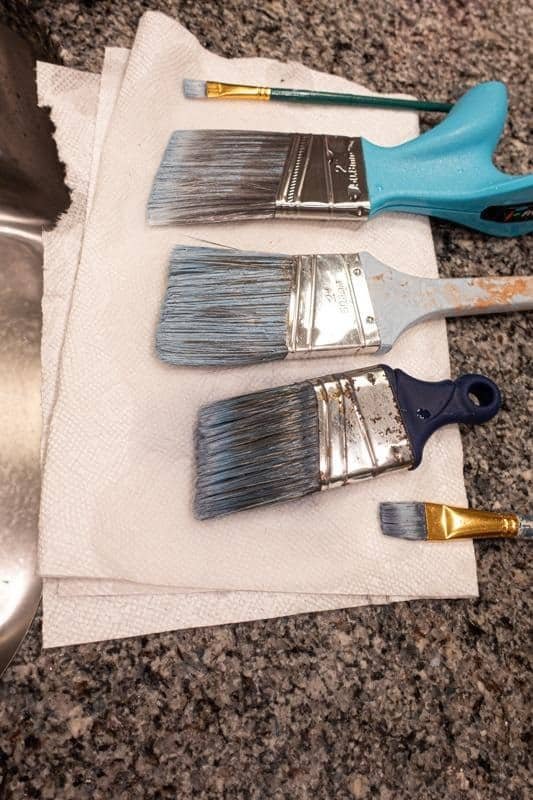
Once the paint disappears, reshape the bristles while they’re still damp. Let the brush dry flat or with the handle slightly elevated.
Brush Care Tips
- Shape while damp
- Dry flat
- Store upright only after drying
- Avoid crushing the tips
Bonus Tip: A little conditioner designed for artist brushes keeps natural hair brushes wonderfully soft.
Idea 8: Avoid These Common Cleaning Mistakes
Sometimes the cleaning method causes more damage than the paint.
I’ve definitely learned this the hard way. One rushed cleaning session turned a perfectly good detail brush into what looked like a tiny broom. Not exactly ideal for painting delicate lines.
Don’t Do These
- Don’t use boiling water
- Don’t scrape with knives
- Don’t leave brushes soaking overnight
- Don’t dry brushes standing on the bristles
- Don’t ignore paint near the ferrule
Bonus Tip: Cleaning brushes takes two minutes. Buying replacements takes money. Funny how our brains still choose the first option… until they don’t. :
Best Products for Cleaning Acrylic Paint Brushes
If you paint often, investing in quality cleaning products makes life much easier.
Here are some excellent options:
| Product | Best For | Pros | Cons |
| Artist Brush Soap | Everyday cleaning | Gentle, conditions bristles | Slightly more expensive |
| Dish Soap | Fresh paint | Cheap and effective | Less conditioning |
| White Vinegar | Dried paint | Natural solution | Strong smell |
| Rubbing Alcohol | Very stubborn paint | Fast results | Can dry bristles |
| Brush Cleaner Solution | Professional artists | Excellent performance | Costs more |
How to Keep Acrylic Paint from Drying on Brushes
Want the easiest solution?
Prevent dried paint in the first place.
Here are a few habits that make a huge difference:
- Keep a rinse cup nearby
- Wash brushes between colors
- Use smaller amounts of paint
- Keep a damp cloth beside your palette
- Never leave paint on a brush during breaks
- Clean brushes immediately after painting
These simple habits add years to your favorite brushes.
Frequently Asked Questions
Can I save a completely hardened acrylic paint brush?
Sometimes, yes. Warm soapy water, brush soap, vinegar, or rubbing alcohol often soften dried acrylic paint enough to restore the brush. Success depends on how long the paint has cured.
Can acetone clean acrylic paint brushes?
Acetone removes acrylic paint, but it can damage many brush types. I only recommend it as an absolute last resort.
Is dish soap enough?
Yes, if the paint hasn’t dried. Fresh acrylic usually comes off easily with warm water and dish soap.
Should I cut hardened bristles?
No. Cutting bristles permanently changes the brush shape and usually ruins its performance.
How often should I deep clean brushes?
If you paint every week, a thorough cleaning every few sessions keeps brushes in excellent condition.
Final Thoughts
Learning how to get acrylic paint off of paint brushes isn’t difficult, but timing makes all the difference. Fresh paint washes away with warm water and soap, while dried paint often needs soaking, brush soap, vinegar, or rubbing alcohol. The key is staying patient and treating your brushes gently.
I always remind myself that a quality brush can last for years with proper care. Spending five minutes cleaning it after each painting session beats replacing it every few months. Your future self—and your wallet—will definitely appreciate the effort.
So the next time you finish painting, resist the temptation to say, “I’ll clean it later.” Trust me, your brushes have heard that one before.