How to Make a Rust Color with Paint (Easy Color Mixing Guide for Beginners)
Have you ever tried mixing paint, only to end up with something that looked more like muddy pumpkin soup than a beautiful rust color? Yeah…I’ve been there too.
The good news? Rust color isn’t difficult to make once you understand how the pigments work together. Whether you’re painting furniture, creating artwork, decorating your home, or working on DIY crafts, learning how to make a rust color with paint gives you much more control than buying a premixed shade.
I actually prefer mixing my own rust paint because every project needs something slightly different. Sometimes I want a warm terracotta rust. Other times I need an old weathered metal look. Mixing it yourself lets you customize every shade.
So grab your paints—we’re going to create some gorgeous rusty tones without the frustrating guesswork. And honestly, who doesn’t enjoy playing with colors?
Table of Contents
What Exactly Is Rust Color?
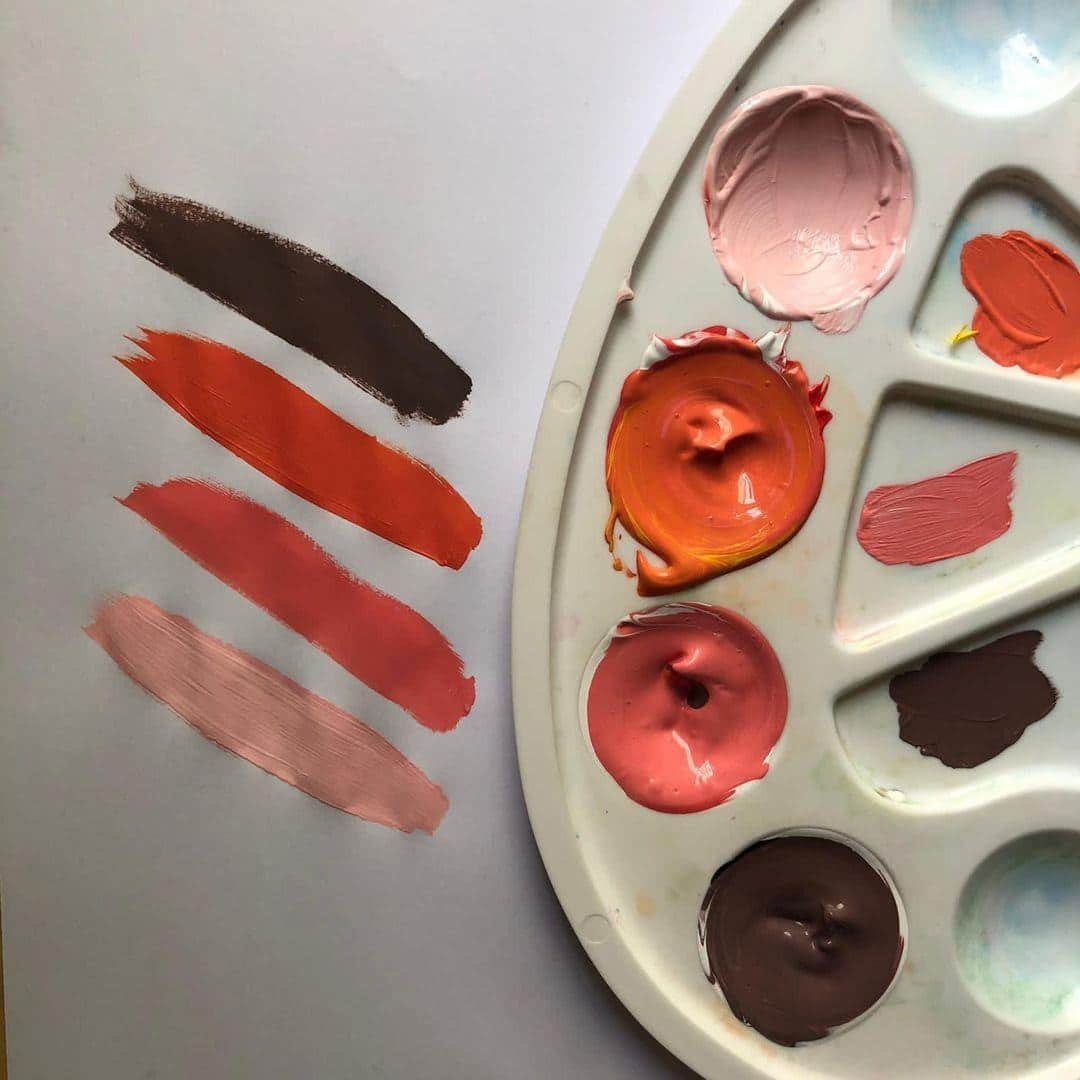
Rust sits somewhere between orange, brown, and red. Think about an old iron fence that’s been sitting outside for years. That rich reddish-brown color inspires the classic rust shade.
Depending on your mixture, rust can appear:
- Warm orange-brown
- Deep reddish-brown
- Earthy burnt orange
- Dark copper
- Muted terracotta
That’s why no single “perfect” rust color exists. You simply adjust the balance until it matches your vision.
Colors You’ll Need
Before mixing anything, gather a few basic paints.
Essential Colors
You’ll usually need:
- Red
- Yellow
- Brown
- Black (optional)
- White (optional)
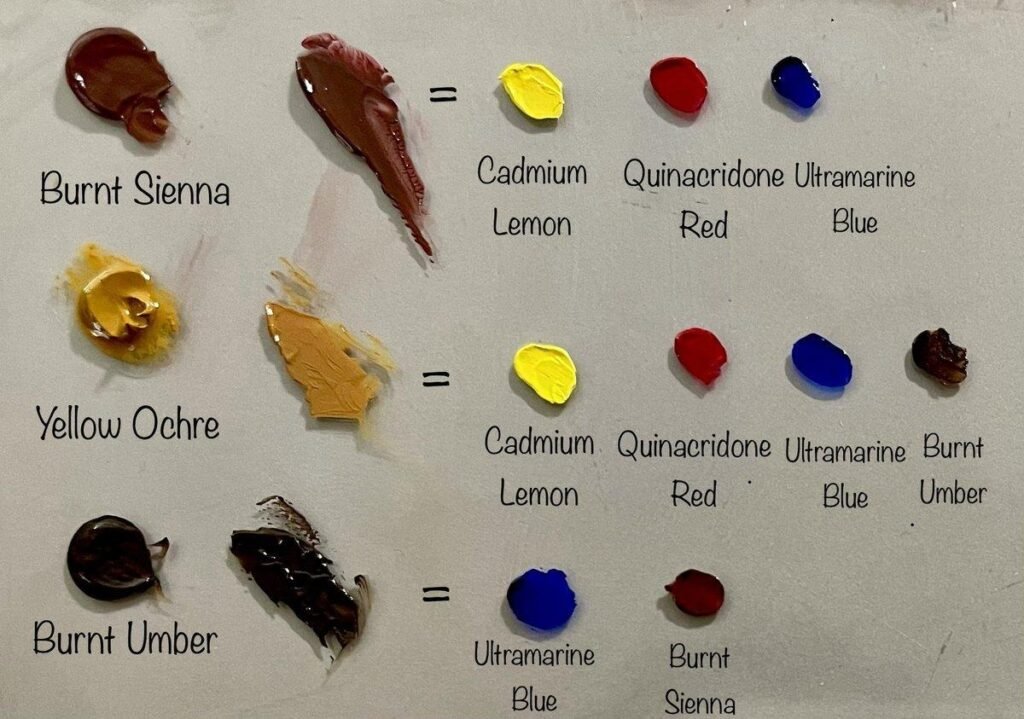
- Burnt Sienna (optional but helpful)
- Burnt Umber (optional)
If you already own an acrylic starter kit, you probably have everything needed.
Pro Tip: I always squeeze out tiny amounts first. Paint disappears surprisingly fast once you start experimenting.
Understanding the Rust Color Formula
Many beginners assume rust equals orange.
Not quite.
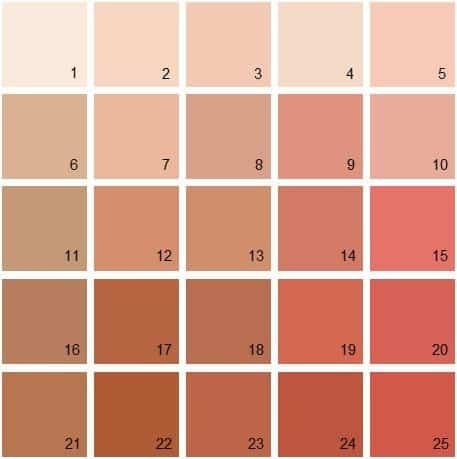
Rust is actually orange that’s been toned down with earthy browns and tiny hints of red.
A simple formula looks like this:
- 2 Parts Red
- 1 Part Yellow
- 1 Part Brown
Mix these together.
If the mixture looks:
- Too orange → add a little brown.
- Too brown → add a little red.
- Too bright → tiny drop of black.
- Too dark → add yellow.
- Too dull → tiny amount of orange or red.
Small adjustments make a huge difference.
7 Easy Ways to Make Rust Color with Paint
Idea 1: Mix Red + Yellow + Brown for Classic Rust
The easiest way to create rust color starts with three basic paints. Mix two parts red, one part yellow, and one part brown until the color turns into a warm earthy orange-brown. This combination works for most DIY projects because it produces a balanced rust tone without looking overly bright. I use this mixture whenever I paint wood signs because it almost always looks natural. Ever wondered why it feels so realistic? The brown simply calms the vibrant red and yellow.
Styling & Mixing Tips
- Use crimson red for deeper rust.
- Choose primary yellow instead of neon yellow.
- Add brown slowly.
- Mix thoroughly before adjusting.
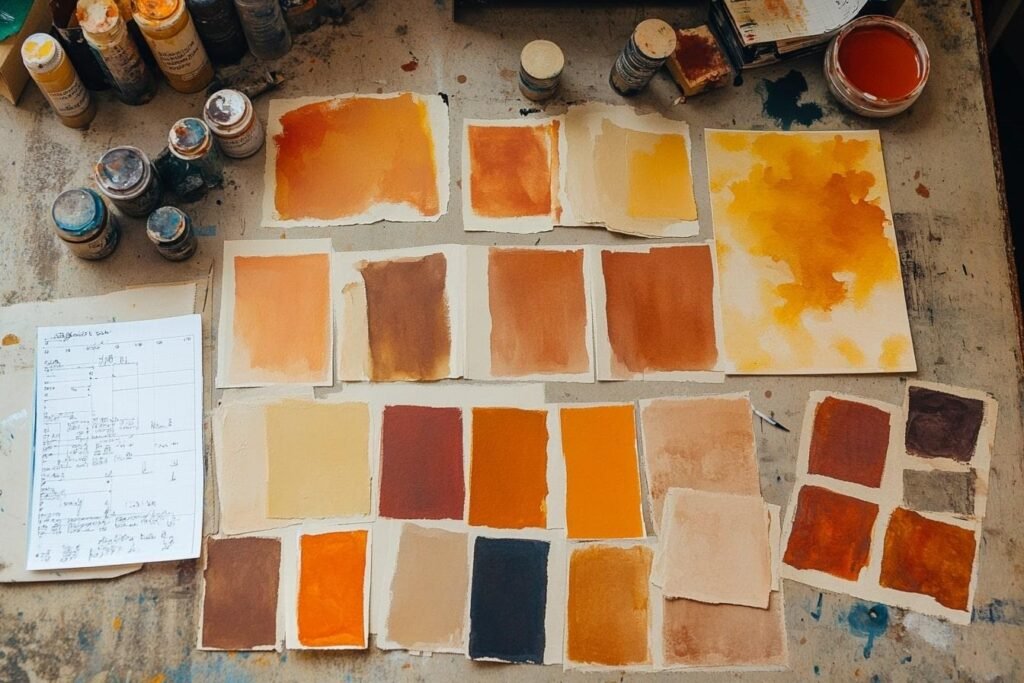
- Test the color on scrap paper first.
Bonus Tip: If the paint looks too cheerful, add the tiniest touch of black. Seriously—the keyword is tiny. Otherwise your beautiful rust suddenly becomes muddy chocolate. :/
Idea 2: Use Burnt Sienna as Your Starting Point
If you own Burnt Sienna, congratulations—you already have one of the easiest shortcuts to rust color. Burnt Sienna naturally contains many of the warm earthy pigments found in rust. Simply mix it with a little red to warm it up or a little yellow to brighten it. IMO, this method saves time and usually creates the most natural-looking rust, especially for landscape paintings or faux metal finishes.
Styling & Mixing Tips
- Add red for a richer rusty finish.
- Mix yellow for brighter autumn shades.
- Blend white for vintage decor.
- Add Burnt Umber for aged metal effects.
- Keep water minimal with acrylics.
Pro Tip: Burnt Sienna works beautifully on farmhouse décor because the earthy tone complements natural wood without overpowering it.
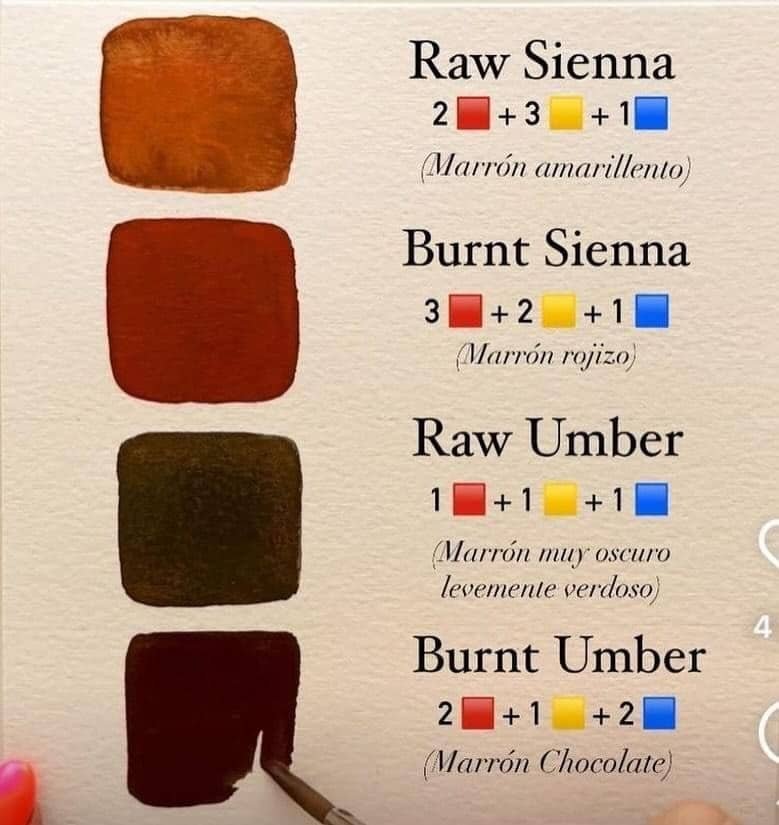
Idea 3: Create Dark Rust with Burnt Umber
Sometimes bright rust simply doesn’t match the project. If you want an aged industrial appearance, mix Burnt Umber into your rust blend. This darker brown creates a richer, weathered finish that resembles old steel left outside for years. I especially like this shade for furniture makeovers because it adds instant character without looking fake. Why settle for plain brown when you can create something with personality?
Styling & Mixing Tips
- Mix equal parts Burnt Umber and Burnt Sienna.
- Add small amounts of red.
- Use black sparingly.
- Dry-brush over textured surfaces.
- Layer lighter rust on top for realism.
Additional Tip: Layering several rust shades instead of using one flat color creates much more believable results.
Idea 4: Make a Bright Rust Color for Autumn-Inspired Projects
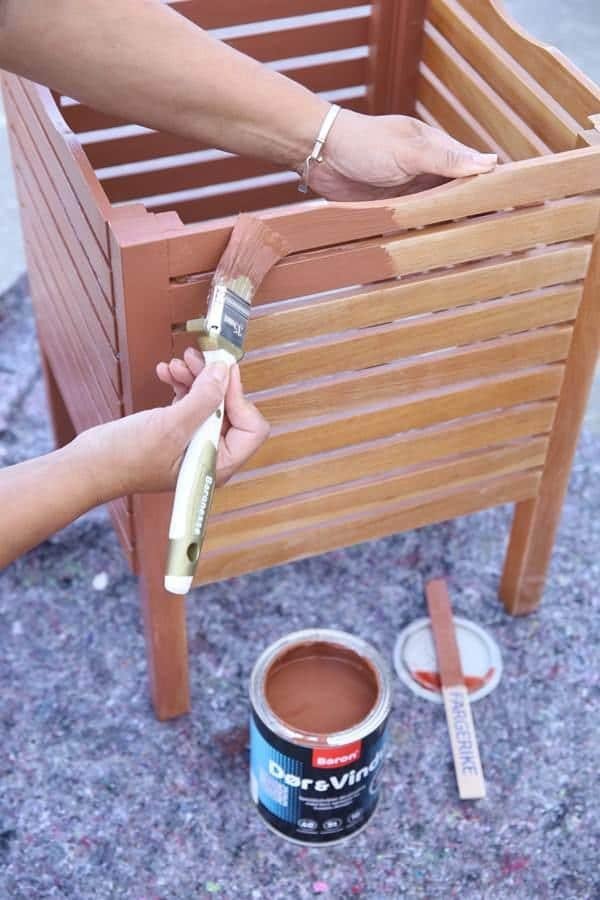
Not every rust color has to look old and weathered. Sometimes you want a warmer, brighter version that feels cozy rather than aged. For this look, start with your basic rust mixture and add a little extra yellow or orange. The result creates a vibrant rust shade that works beautifully for seasonal décor, fall crafts, pumpkins, wooden signs, and canvas art. I reach for this version every autumn because it instantly makes a room feel warmer. Plus, it pairs wonderfully with neutral colors without screaming for attention.
Styling & Mixing Tips
- Add small amounts of yellow to brighten the color.
- Mix a touch of orange for a pumpkin-inspired rust.
- Pair with cream, beige, olive green, or navy blue.
- Test the color after every small adjustment.
- Seal finished projects with a matte topcoat for a natural look.
Bonus Tip: If your rust starts looking too orange, simply mix in a tiny amount of brown. A little goes a long way, so don’t let the paint bully you.
Idea 5: Create a Vintage Weathered Rust Finish
A flat rust color looks nice, but a layered rust finish looks incredibly realistic. Instead of relying on one color, apply several rust shades over one another. Begin with a dark brown base, then dry-brush medium rust, and finish with lighter orange highlights. This layering technique mimics real oxidation and gives furniture, metal décor, or craft projects impressive depth. Whenever I try this method, people usually assume I bought an expensive specialty finish instead of mixing ordinary acrylic paints.
Styling & Mixing Tips
- Paint a dark brown base coat first.
- Dry-brush medium rust over raised areas.
- Add light orange highlights sparingly.
- Dab with a sea sponge for natural texture.
- Finish with matte or satin sealer.
Pro Tip: Don’t overblend the colors. Real rust isn’t perfectly smooth, so a little uneven texture actually improves the final result.
Idea 6: Make Rust Color for Faux Metal Painting
Want to make plastic, wood, or plain metal look like old iron? This technique works surprisingly well. Start with a charcoal gray or black base coat, then dab different rust shades using a sponge instead of a brush. The random pattern creates the natural look of rust spots without requiring artistic talent. Honestly, the less perfect your sponge pattern looks, the better the finished project appears. Funny how making intentional “mistakes” suddenly becomes the goal!
Styling & Mixing Tips
- Apply a black or dark gray base coat.
- Use a natural sponge instead of a brush.
- Layer dark, medium, and light rust colors.
- Leave some black visible underneath.
- Add tiny specks of orange for fresh rust.
Additional Tip: Practice on scrap wood before painting your final project. You’ll quickly learn how much paint the sponge should hold for the most realistic effect.
Idea 7: Adjust Rust Color for Different Types of Paint
The same rust recipe doesn’t always behave the same way across every paint type. Acrylic dries darker, watercolor dries lighter, and oil paint stays workable much longer. Once you understand these differences, you’ll avoid unpleasant surprises after your paint dries. FYI, I learned this lesson the hard way after mixing what looked like the perfect rust color, only to watch it dry much darker than expected.
Styling & Mixing Tips
- Acrylic: Mix slightly lighter than your target color.
- Oil Paint: Blend thoroughly because colors stay wet longer.
- Watercolor: Build color with multiple thin layers.
- Chalk Paint: Add a little brown for a softer vintage finish.
- Craft Paint: Test on scrap material before starting.
Bonus Tip: Keep a small notebook with your favorite paint ratios. Future you will definitely appreciate not having to reinvent the perfect rust color every single time.
Common Mistakes When Mixing Rust Color
Even experienced painters occasionally miss the mark. Thankfully, these mistakes are easy to fix.
Adding Too Much Black
Black quickly overwhelms warm colors.
Instead:
- Add only one tiny drop at a time.
- Mix completely before adding more.
Using Bright Yellow
Neon or fluorescent yellow creates an artificial-looking rust.
Choose:
- Primary Yellow
- Golden Yellow
- Yellow Ochre
These shades produce much more natural results.
Forgetting to Test the Color
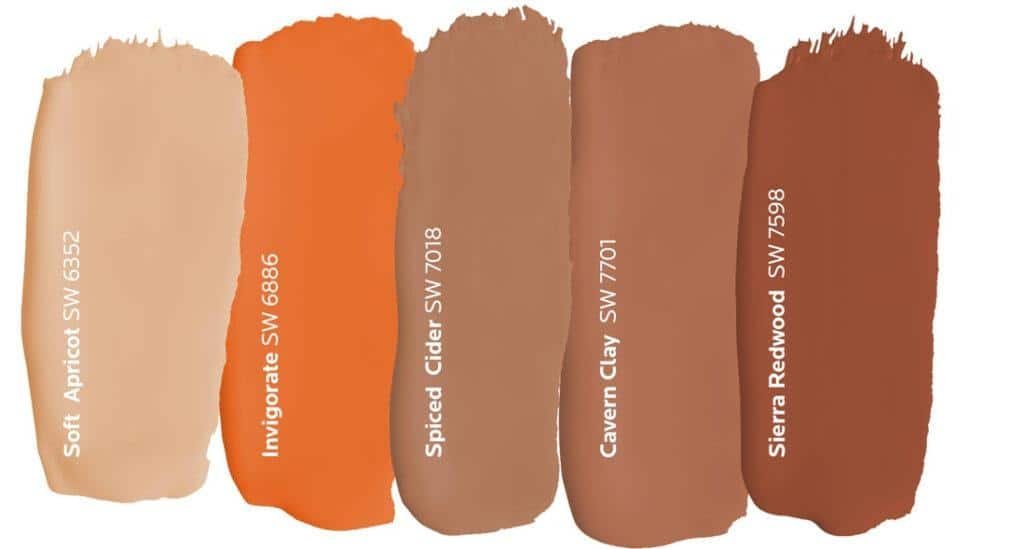
Paint often changes slightly as it dries.
Always:
- Paint a sample swatch.
- Let it dry completely.
- Adjust if needed.
Waiting a few minutes can save an entire project.
Overmixing Different Colors
Sometimes less really is more.
Adding every color on your palette usually creates muddy brown instead of beautiful rust. Stick with three or four colors until you reach the shade you want.
Best Color Combinations for Different Rust Shades
| Rust Shade | Paint Formula |
| Classic Rust | 2 Red + 1 Yellow + 1 Brown |
| Dark Rust | Burnt Umber + Burnt Sienna + Red |
| Bright Rust | Red + Yellow + Small Orange |
| Vintage Rust | Brown + Burnt Sienna + Tiny Black |
| Copper Rust | Orange + Brown + Red |
| Earthy Rust | Burnt Sienna + Yellow Ochre |
Where Rust Color Looks Best
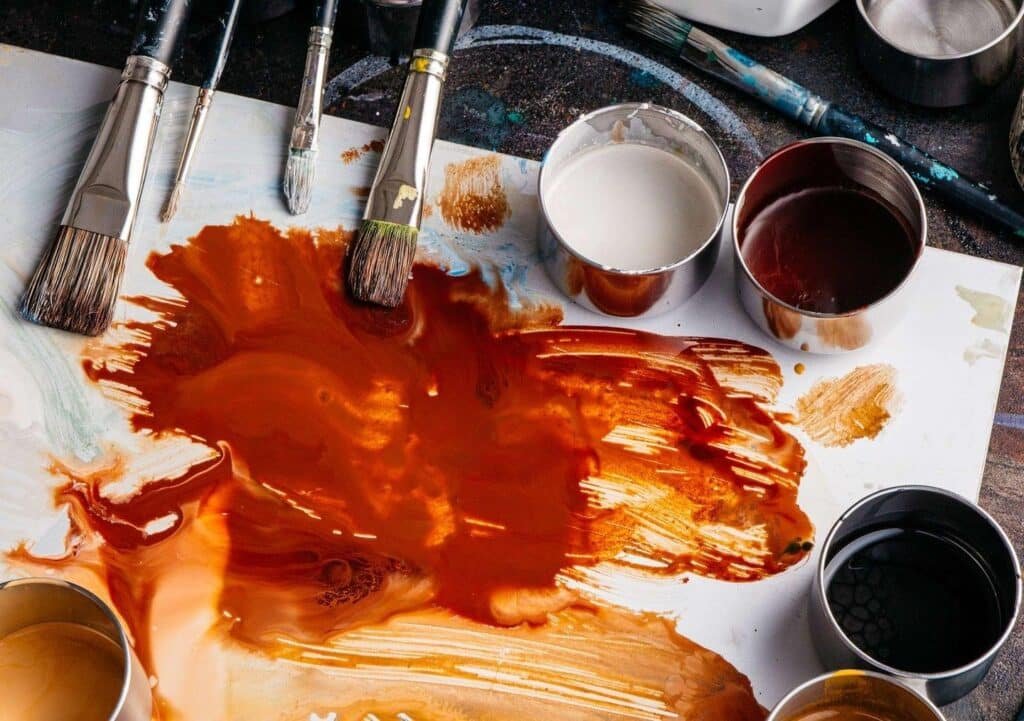
One reason I enjoy mixing rust paint is its versatility. It fits almost every decorating style without feeling trendy.
Rust works beautifully on:
- Farmhouse furniture
- Autumn decorations
- Wooden signs
- Canvas artwork
- Industrial home décor
- Clay pots
- Picture frames
- Outdoor planters
- Accent walls
- Metal craft projects
Pair it with colors like:
- Sage green
- Cream
- Beige
- Charcoal gray
- Olive green
- Navy blue
- Matte black
- Warm white
These combinations create a cozy, timeless look that rarely goes out of style.
Expert Tips for Mixing the Perfect Rust Color
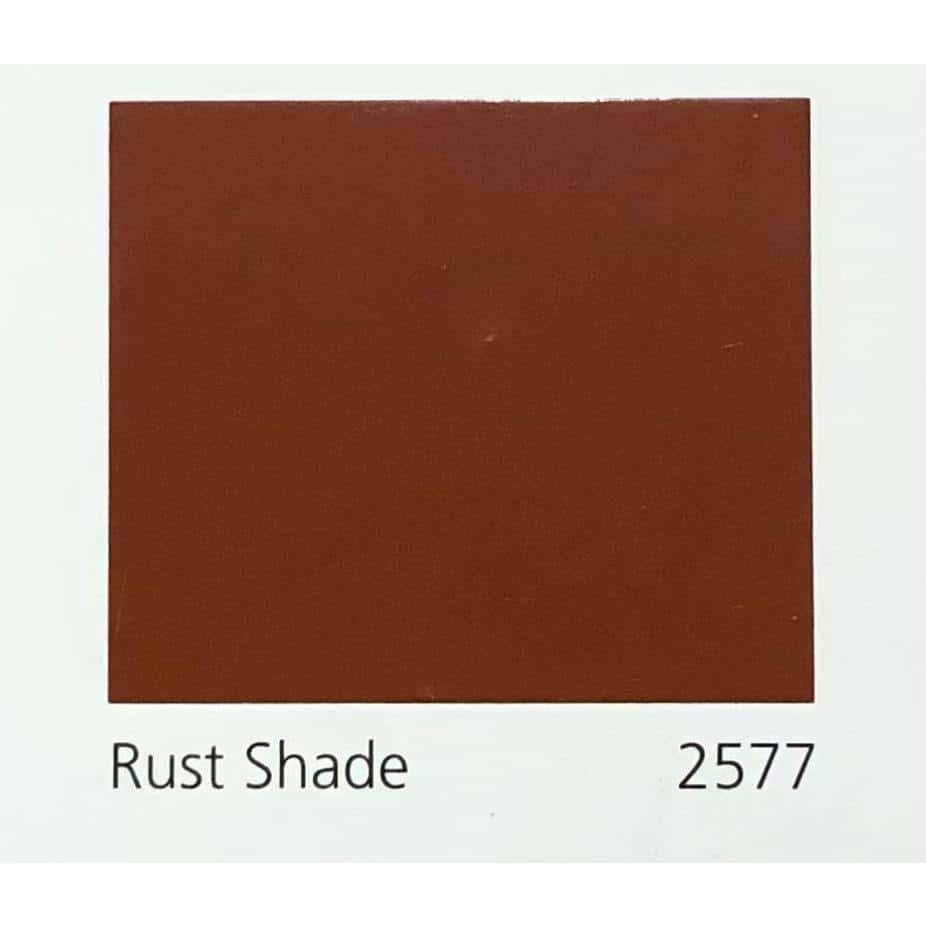
By now, you know the basic formulas, but a few professional habits can make your rust paint look even better. These small tricks have saved me plenty of frustration over the years, and they can save you some paint too.
Start with Small Amounts
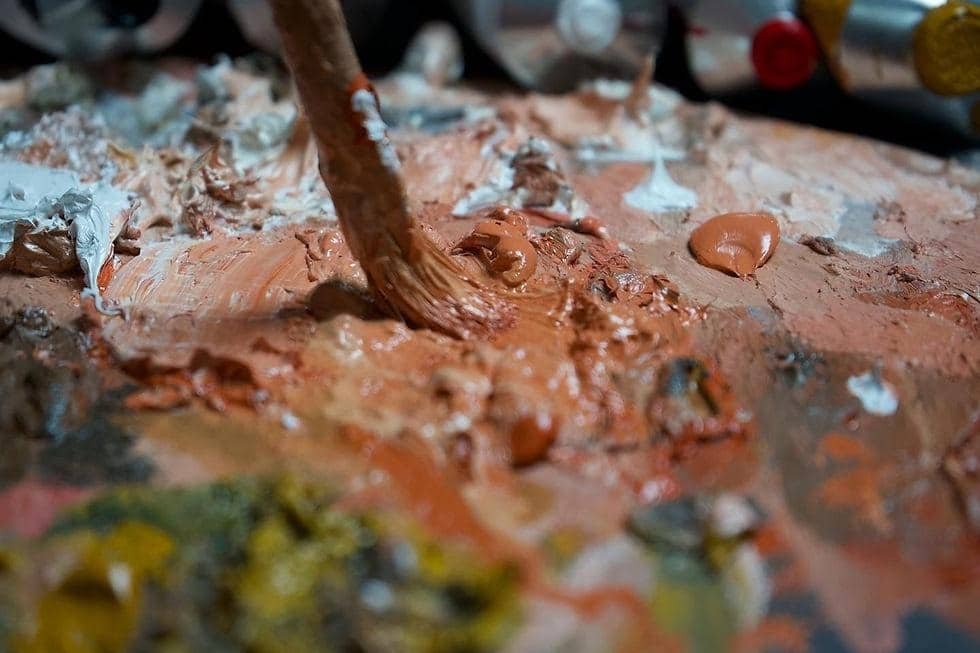
Always begin with small blobs of paint instead of squeezing out half the tube. It’s much easier to mix more than to waste expensive paint because you accidentally created enough rust color to repaint your neighbor’s fence.
Mix on a White Palette
A white palette lets you see the true color.
Glass palettes, ceramic plates, or disposable palette paper all work well because they don’t alter how your eyes perceive the paint.
Keep Notes
Whenever you create a color you love, write down the recipe.
For example:
- 2 parts Crimson Red
- 1 part Yellow Ochre
- 1 part Burnt Sienna
- Tiny drop Burnt Umber
Trust me, your future self will thank you when you need the exact same shade again.
Let Acrylic Paint Dry Before Judging
Many beginners adjust the color too quickly.
Acrylic paint often dries slightly darker, so wait a few minutes before deciding whether you need to change anything.
Layer Instead of Overmixing
Professional painters rarely rely on one flat color.
Instead, they build realistic rust using several thin layers:
- Dark brown base
- Medium rust
- Bright rust highlights
- Tiny orange accents
Those layers create much more depth than one heavily mixed color ever could.
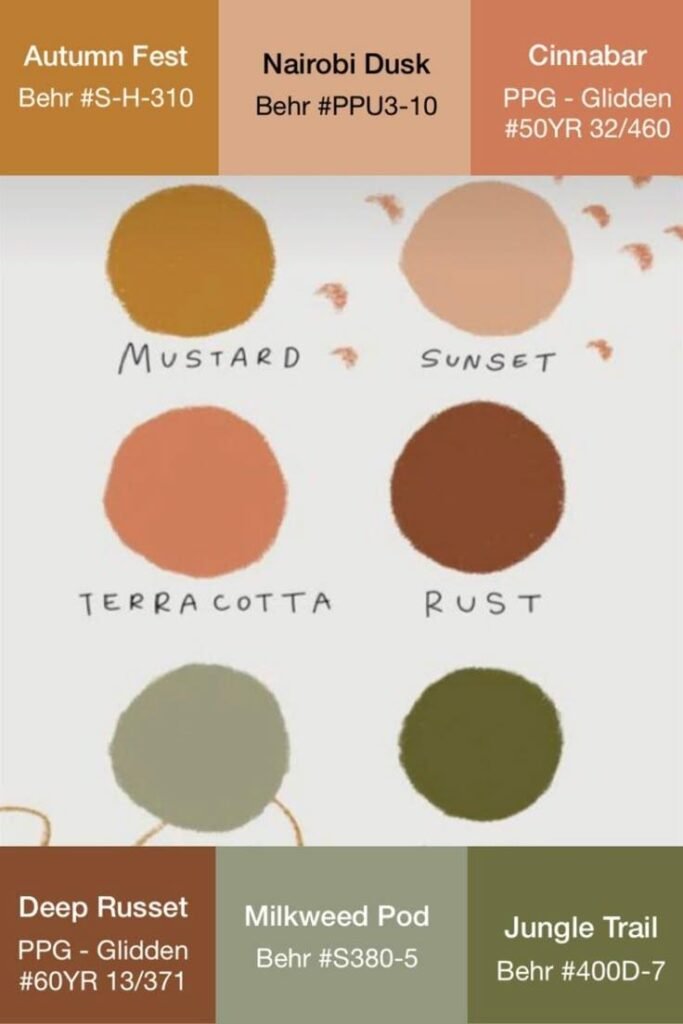
How to Lighten Rust Color
Sometimes your mixture turns out darker than expected. Don’t worry—you don’t have to start over.
Try one of these methods:
- Add a small amount of yellow for warmth.
- Mix in white for a softer, muted rust.
- Add a little orange to brighten the tone.
- Blend more red if the color looks too brown.
Important: Add lighter colors gradually. One small dab can completely change the mixture.
How to Darken Rust Color
Need an older, weathered look?
Darken your rust paint with:
- Burnt Umber
- Burnt Sienna
- Dark Brown
- Tiny amount of Black
Avoid dumping black directly into the mix. A little creates realistic depth, while too much quickly turns your beautiful rust into a muddy mess.
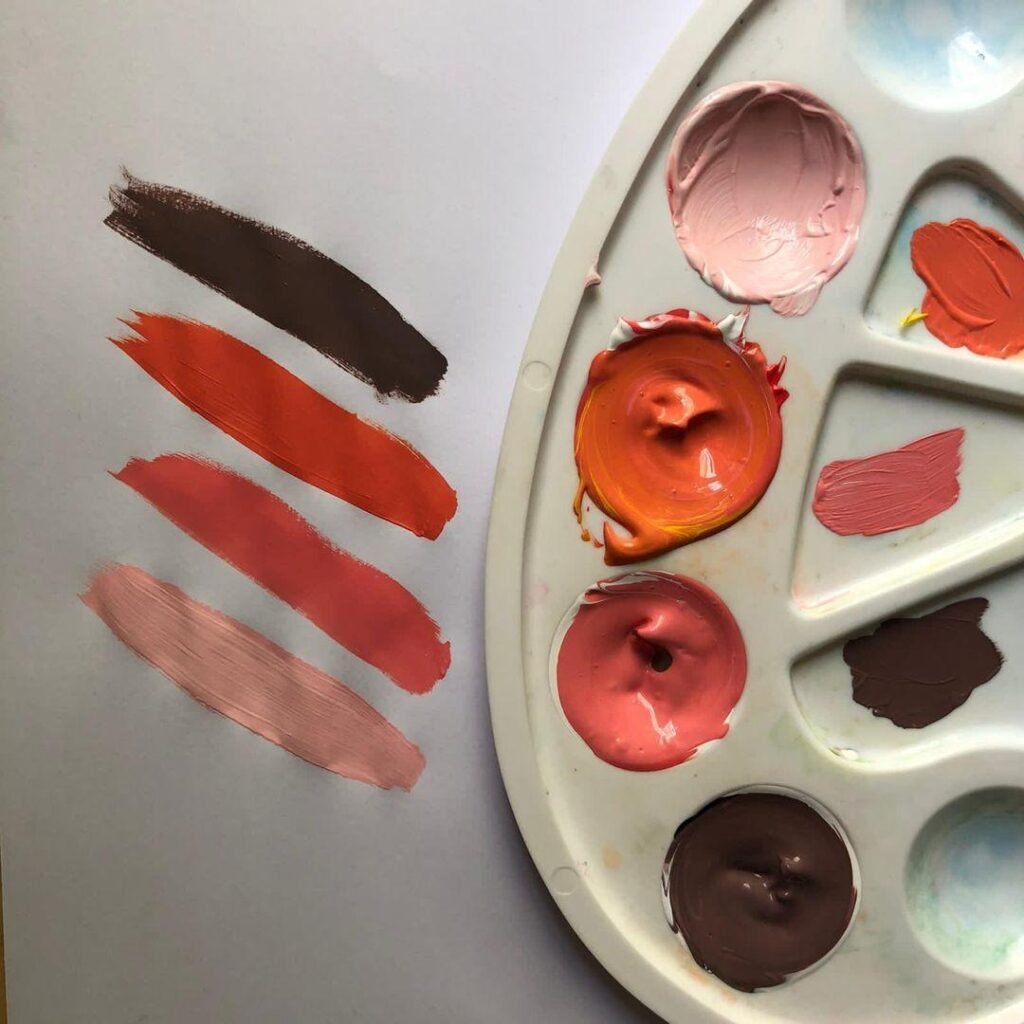
Best Paint Types for Mixing Rust Colors
Not all paints behave the same, so choosing the right one makes your job easier.
Acrylic Paint
Best for:
- DIY crafts
- Furniture
- Canvas art
- Home décor
Pros
- Fast drying
- Easy cleanup
- Beginner-friendly
- Affordable
Oil Paint
Best for:
- Professional artwork
- Realistic portraits
- Fine art
Pros
- Rich color
- Smooth blending
- Long working time
Watercolor
Best for:
- Illustrations
- Nature paintings
- Sketchbooks
Pros
- Transparent layers
- Soft transitions
- Easy to transport
Chalk Paint
Best for:
- Vintage furniture
- Rustic décor
- Farmhouse projects
Pros
- Matte finish
- Minimal prep work
- Excellent coverage
Best Color Combinations to Pair with Rust
One reason rust remains so popular is its versatility. It complements both modern and traditional spaces.
Some of my favorite combinations include:
| Rust Color | Looks Great With |
| Warm Rust | Cream, Beige, White |
| Deep Rust | Charcoal, Black |
| Copper Rust | Navy Blue |
| Earthy Rust | Olive Green |
| Soft Rust | Sage Green |
| Dark Rust | Natural Wood |
| Burnt Rust | Mustard Yellow |
| Orange Rust | Terracotta |
These combinations work beautifully for paintings, furniture makeovers, home décor, and seasonal crafts.
Frequently Asked Questions
Can I make rust color without brown paint?
Yes. Mix red and yellow to create orange, then add a tiny amount of black or blue to tone it down. While brown makes the process easier, you can still achieve a convincing rust shade without it.
Which paint gives the most realistic rust?
Burnt Sienna usually creates the most authentic rust appearance because it already contains warm, earthy pigments similar to natural oxidation.
Can I mix rust color using acrylic paint?
Absolutely.
Acrylic paint remains one of the easiest options because it blends well, dries quickly, and works on many surfaces, including canvas, wood, metal, and crafts.
Why does my rust color look muddy?
You probably added:
- Too much black
- Too many different colors
- Excessive brown
Stick to three or four colors and adjust slowly for cleaner results.
Can I make different shades of rust?
Definitely.
Simply adjust the proportions.
- More yellow = brighter rust
- More brown = earthy rust
- More red = richer rust
- More black = aged rust
Does rust color work in home décor?
It certainly does.
Rust has become a favorite for farmhouse, boho, industrial, Mediterranean, and modern rustic interiors because it adds warmth without overpowering a space.
Final Thoughts
Learning how to make a rust color with paint isn’t about memorizing one perfect recipe—it’s about understanding how warm colors work together. Once you know that red, yellow, and brown form the foundation, you can create countless rust shades for different projects.
Personally, that’s what makes color mixing so enjoyable. Every project becomes a little experiment, and even small adjustments can produce surprisingly beautiful results. The more you practice, the easier it becomes to recognize exactly what your mixture needs.
So don’t worry if your first attempt isn’t perfect. Mix small amounts, test your colors, make tiny adjustments, and enjoy the process. Before long, you’ll be creating rich, natural rust tones that look custom-made for your artwork, furniture, or DIY projects.
After all, some of the best paint colors aren’t found on a store shelf—they’re the ones you mix yourself.
Quick Recap
Before you grab your paintbrush, remember these key points:
- Rust color comes from red, yellow, and brown.
- Burnt Sienna creates the most natural-looking rust.
- Burnt Umber adds depth for aged effects.
- Add black sparingly to avoid muddy colors.
- Test your mixture before painting the final surface.
- Layer multiple rust shades for realistic finishes.
- Keep notes of successful color recipes for future projects.
With these techniques in your toolkit, you’ll be ready to mix beautiful custom rust shades with confidence—whether you’re painting artwork, refreshing furniture, or adding character to your next DIY masterpiece.