How to Divide a Wall With Two Paint Colors
Have you ever looked at a plain wall and thought, “This room needs something… but I don’t want to spend thousands on a renovation?” You’re definitely not alone.
One of my favorite decorating tricks is dividing a wall with two paint colors. It completely changes the personality of a room without replacing furniture or knocking down walls. I tried it in a guest bedroom a few years ago, and honestly, I couldn’t believe how much bigger and more stylish the space looked. The best part? Paint costs far less than a full makeover.
Whether you want a modern look, a cozy atmosphere, or something playful, two-tone walls give you endless creative options. Let’s explore some of the best ideas and learn how to make them look professionally designed.
Table of Contents
Why Divide a Wall With Two Paint Colors?
Before grabbing a paintbrush, it’s worth understanding why this technique works so well.
Using two paint colors on one wall creates visual interest while helping define different areas of a room. It can also:
- Make ceilings appear taller
- Make narrow rooms feel wider
- Highlight architectural details
- Create an accent wall without wallpaper
- Add personality without clutter
Honestly, it’s one of those decorating tricks that makes guests think you hired an interior designer. (No need to correct them…
Choosing the Right Paint Color Combination
Before you start measuring tape lines, pick colors that actually work together.
Some foolproof combinations include:
- White + Sage Green
- Beige + Terracotta
- Navy + White
- Charcoal + Light Gray
- Cream + Olive Green
- Dusty Blue + Soft White
- Black + Warm Beige
- Blush Pink + Ivory
Keep one color lighter than the other unless you’re intentionally creating a dramatic statement.
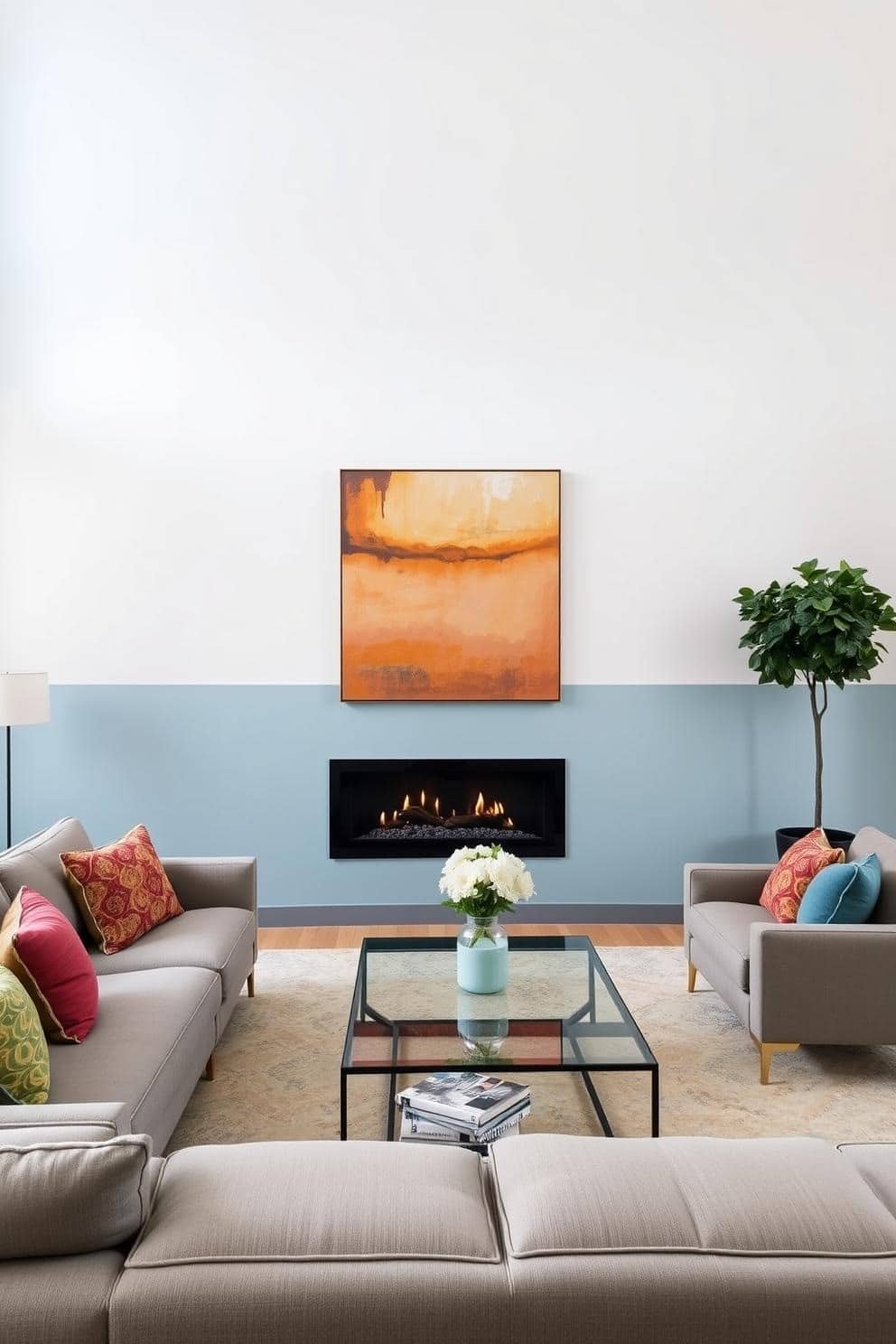
Idea 1: Classic Horizontal Split
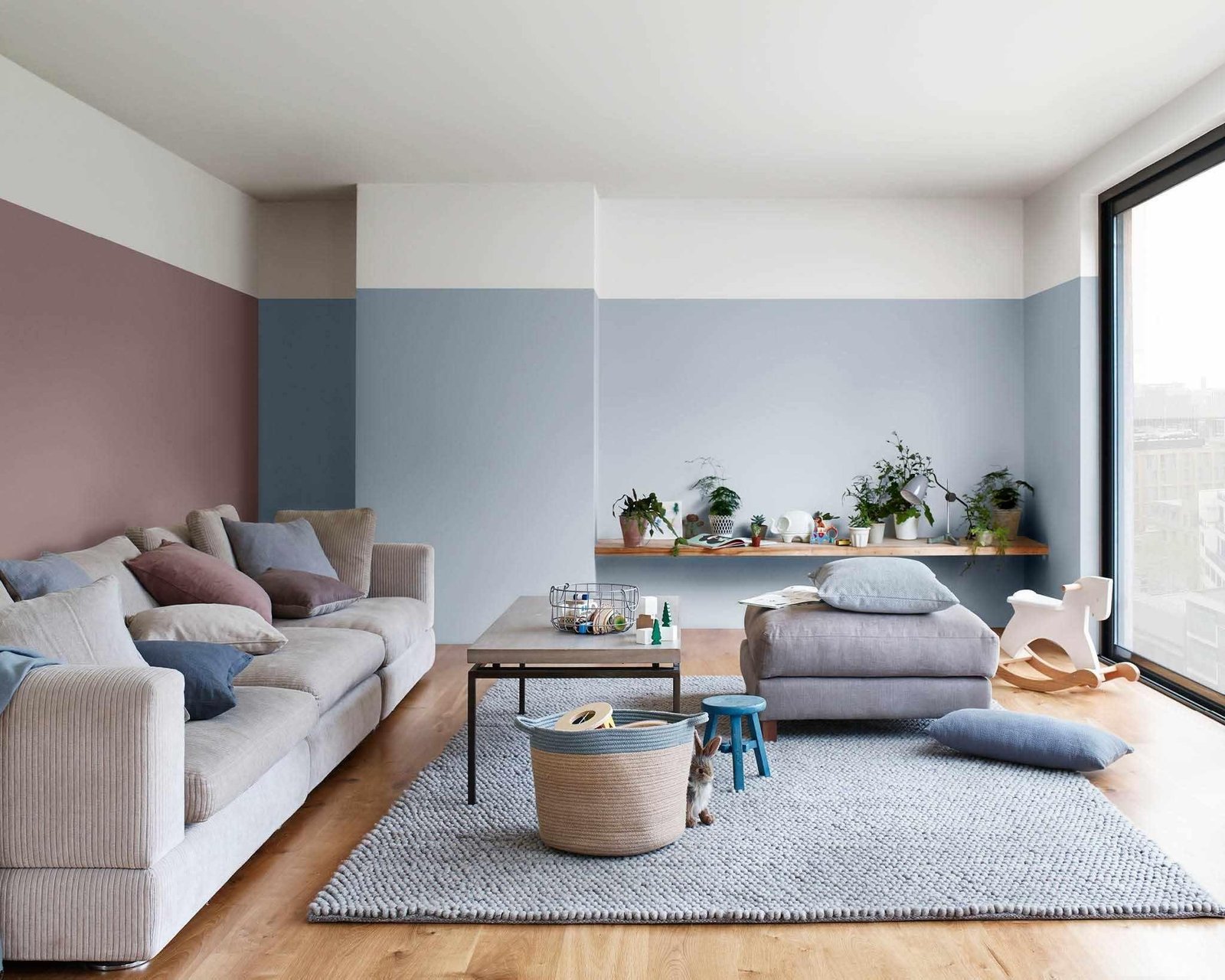
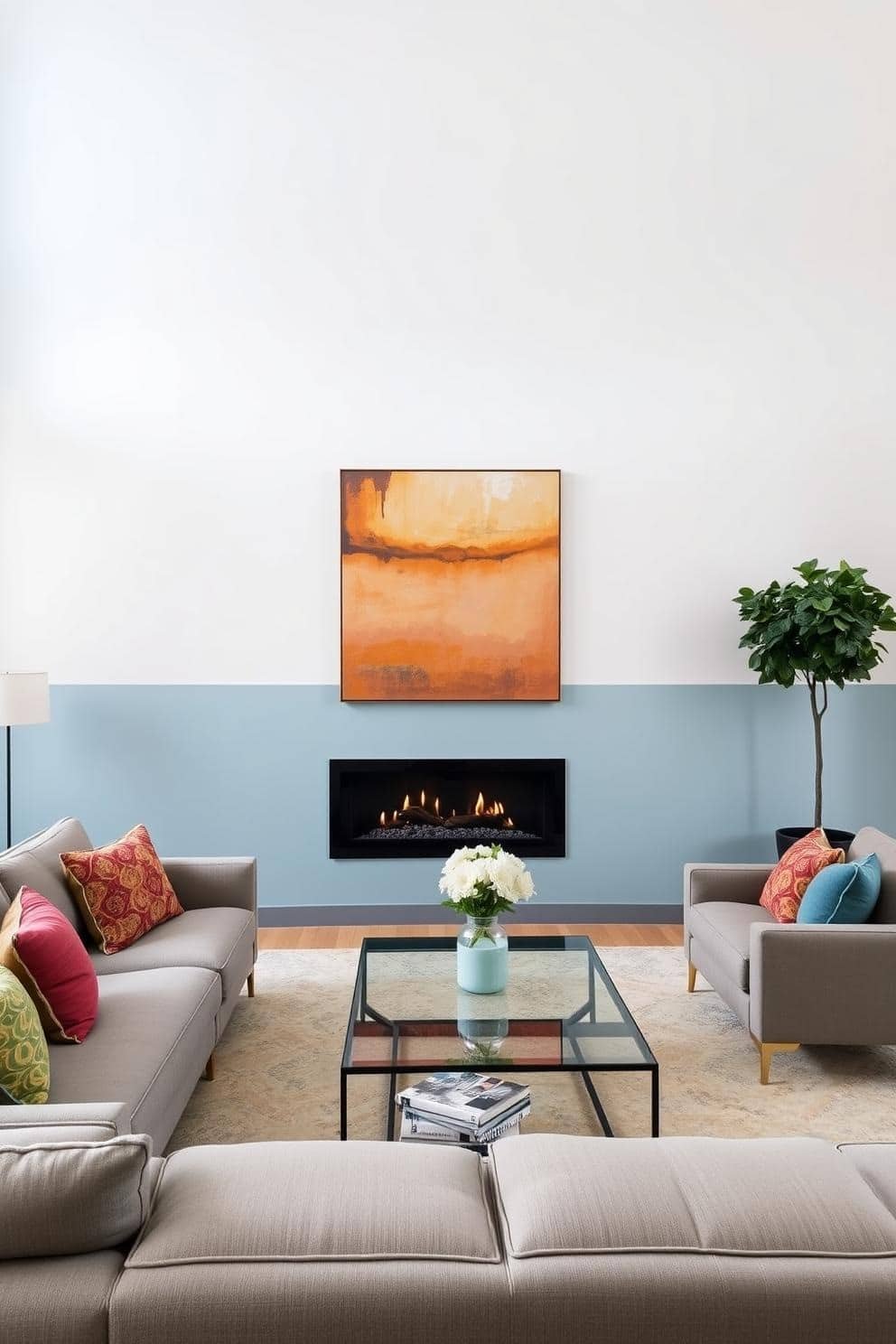
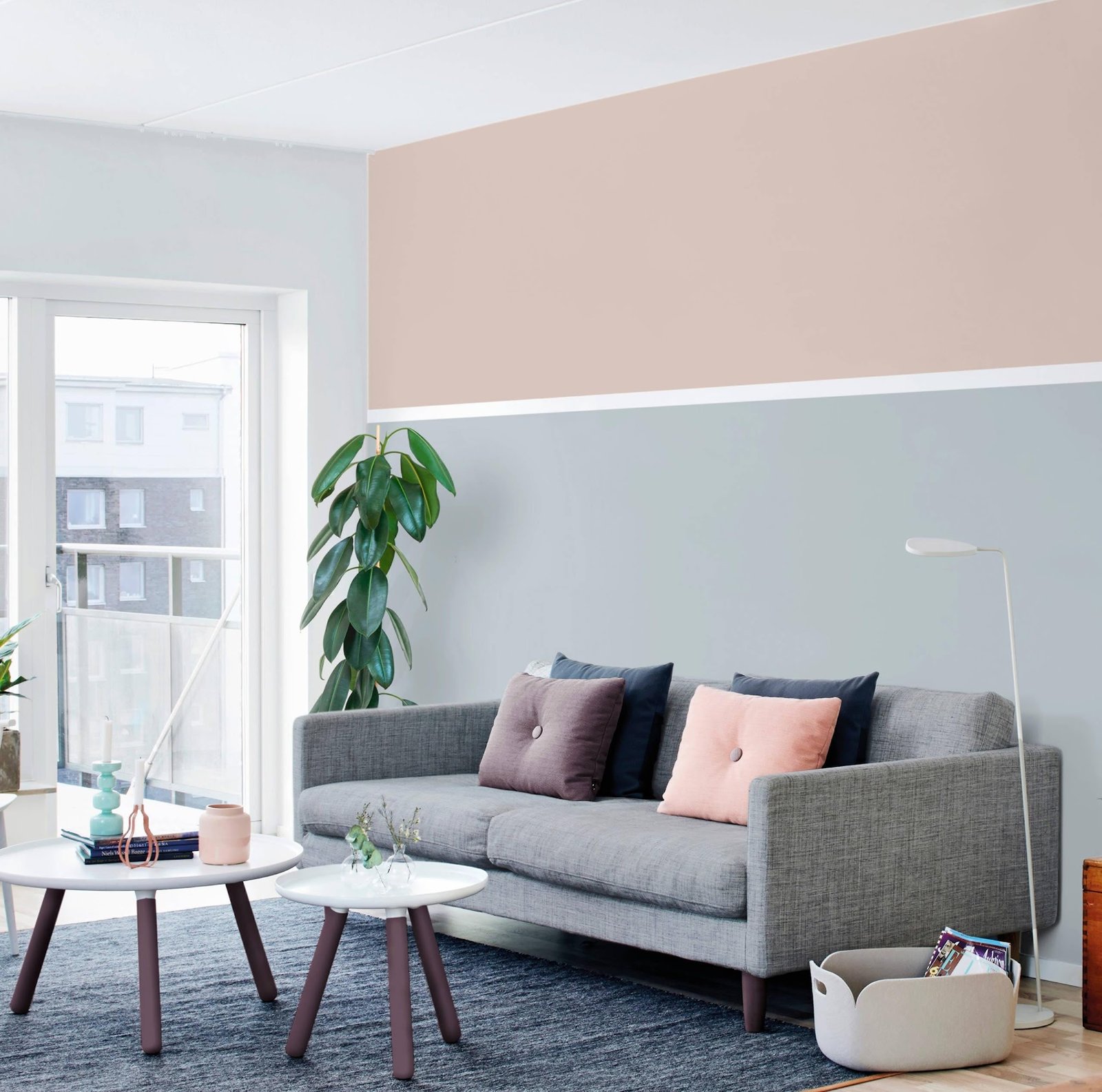
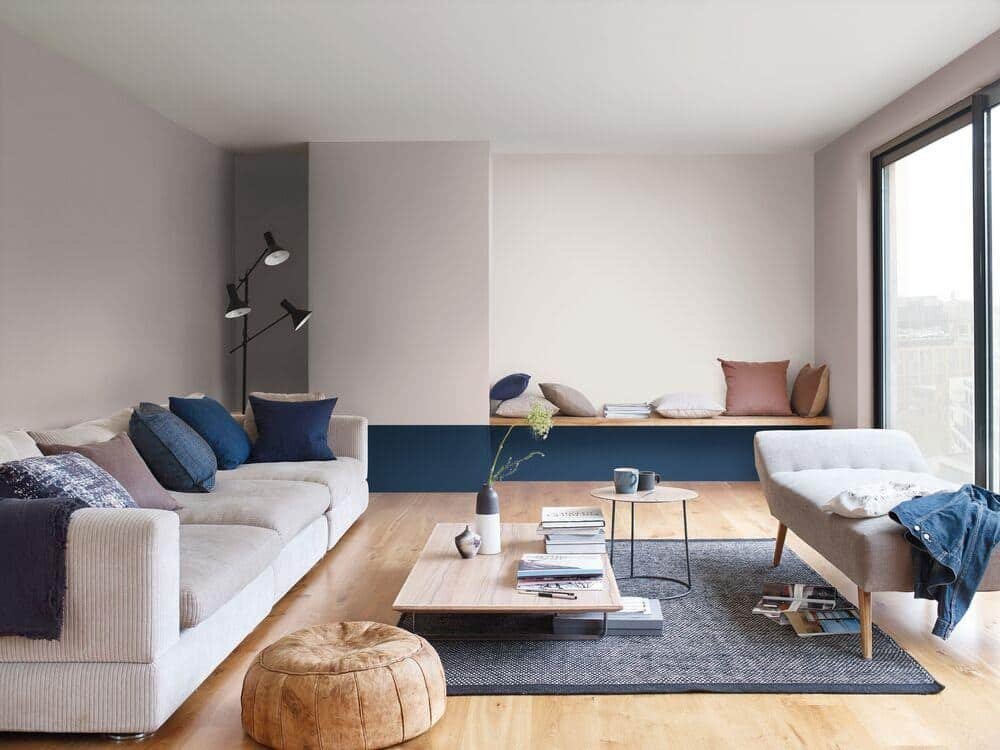
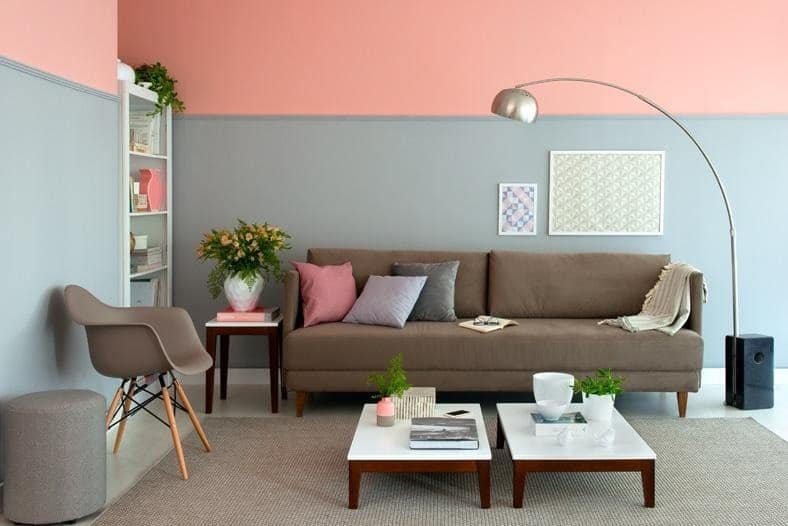
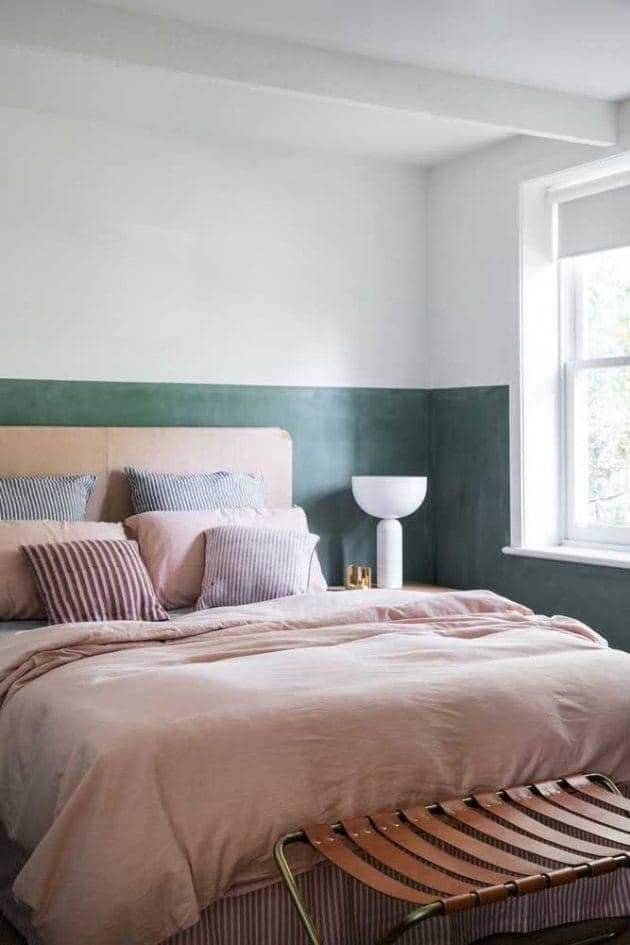
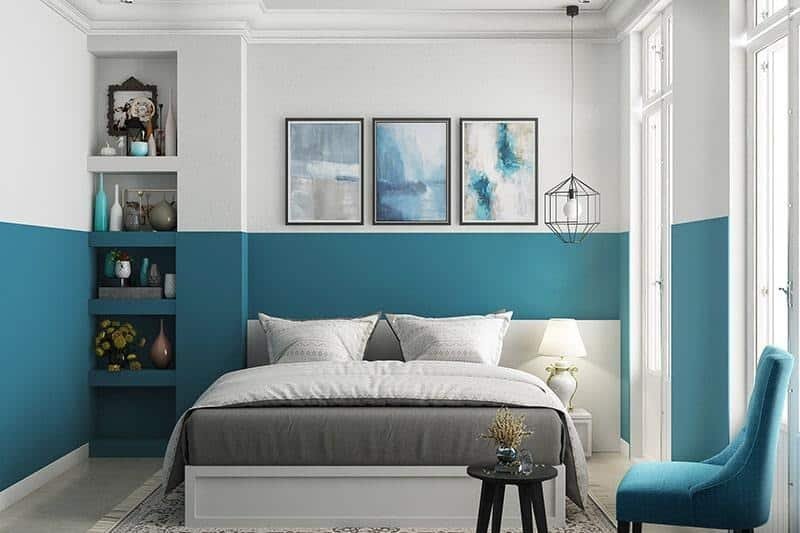
The horizontal split remains one of the easiest and most timeless ways to divide a wall. You simply paint the lower portion one color and the upper section another. Most homeowners place the dividing line about one-third or halfway up the wall, depending on the room’s proportions. This technique creates balance while making furniture feel more grounded. I especially love this style in dining rooms and bedrooms because it instantly adds architectural charm without installing expensive trim.
Styling Tips
- Use darker paint on the bottom.
- Pair with white ceilings.
- Match lower paint with furniture tones.
- Add framed artwork above the dividing line.
- Choose satin or eggshell finishes for easy cleaning.
Bonus Tip: Install a thin wooden molding along the paint line if you want the wall to resemble elegant wainscoting without paying for custom carpentry.
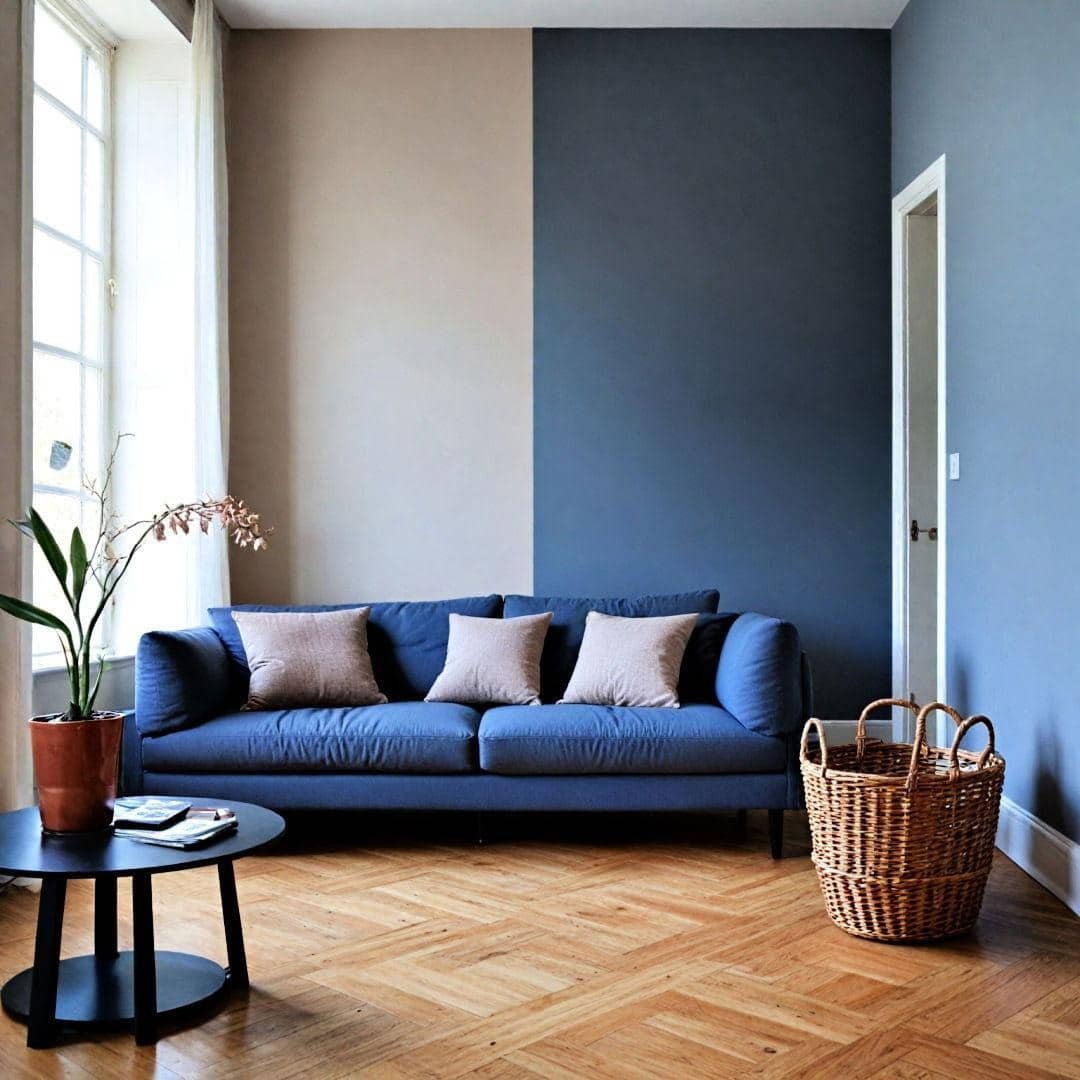
Idea 2: Vertical Color Division
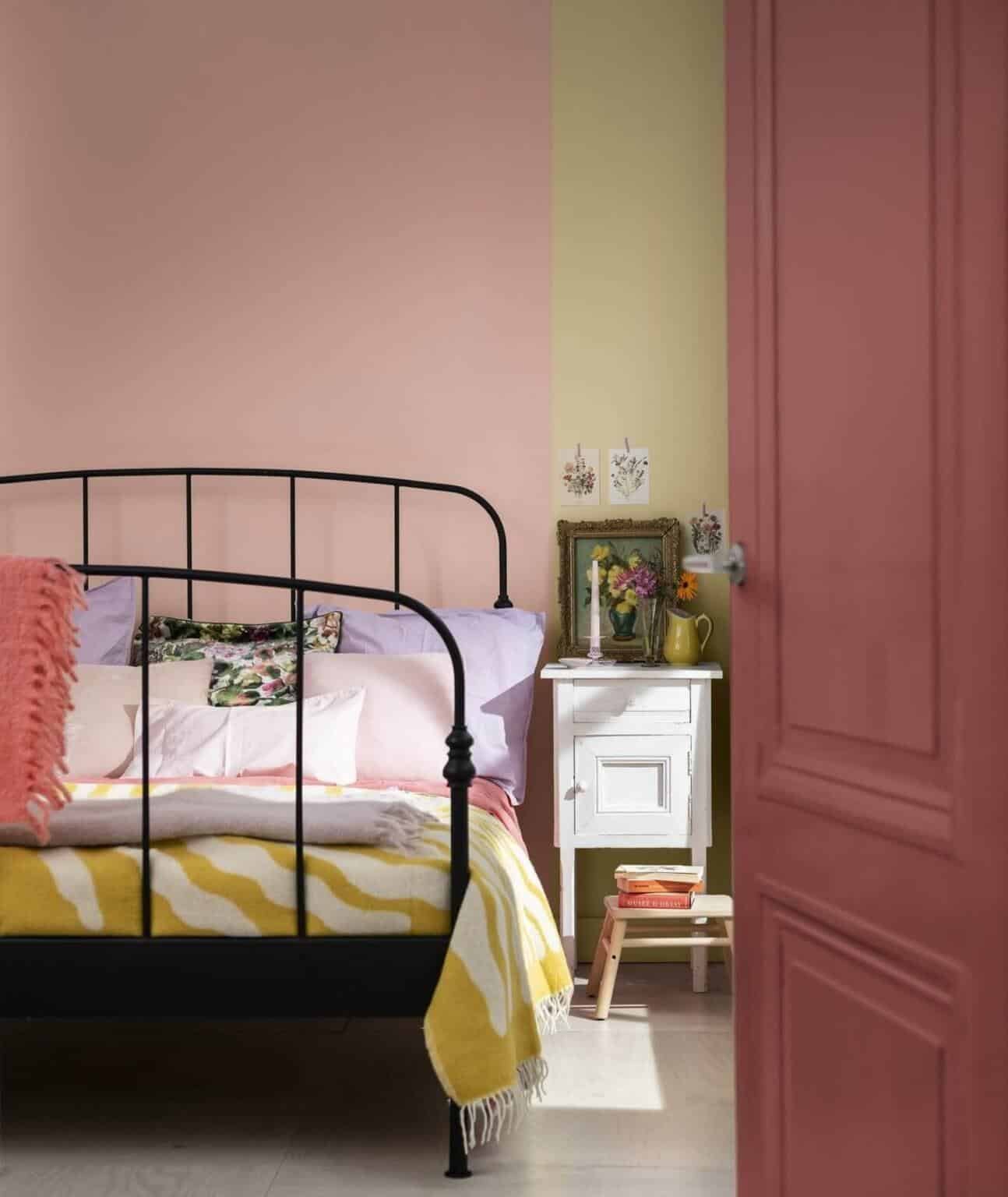
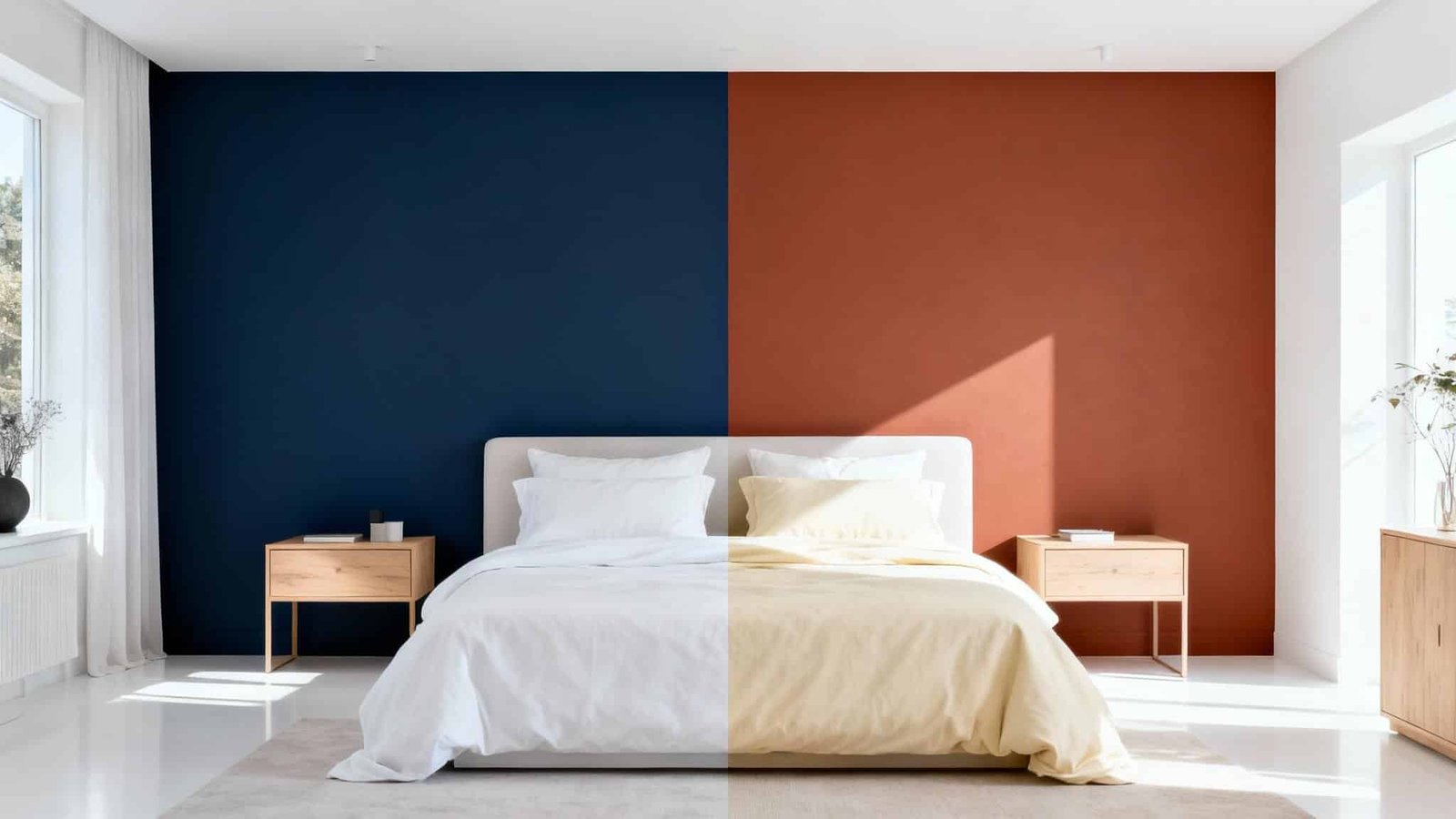
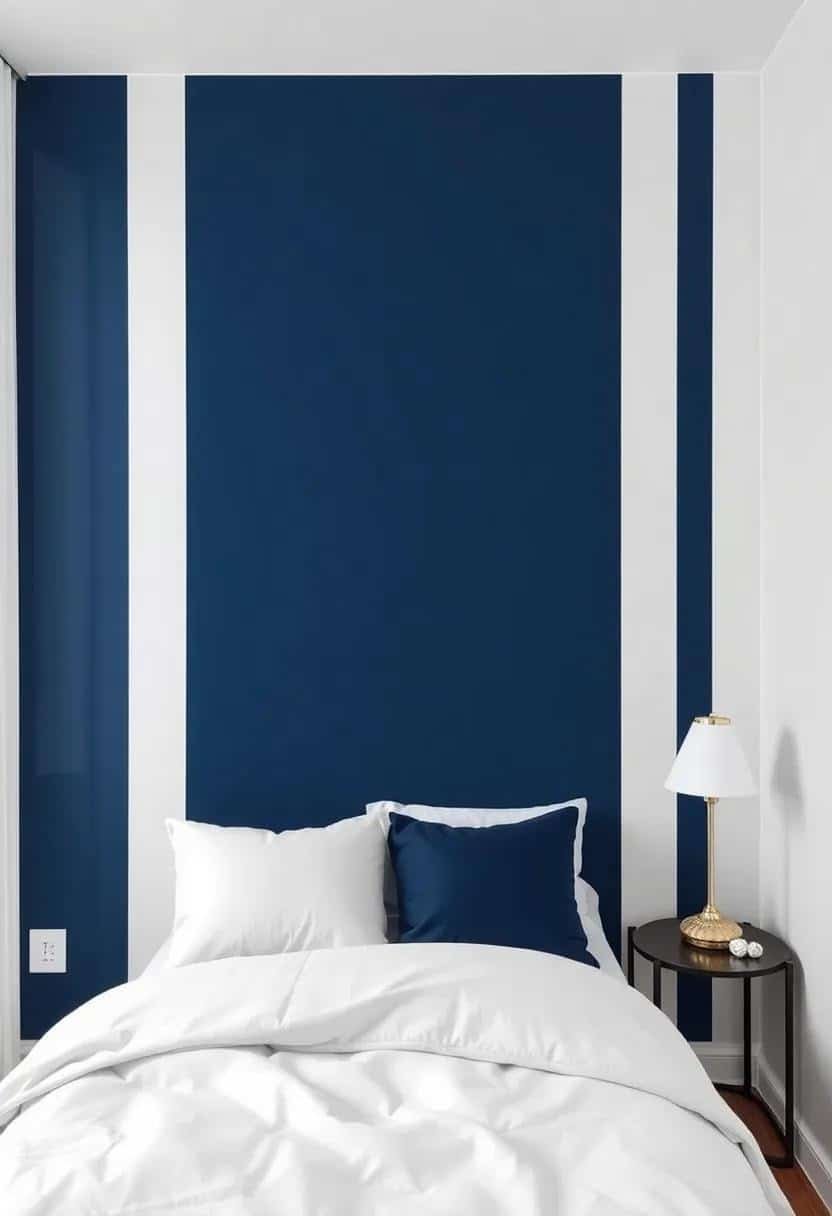
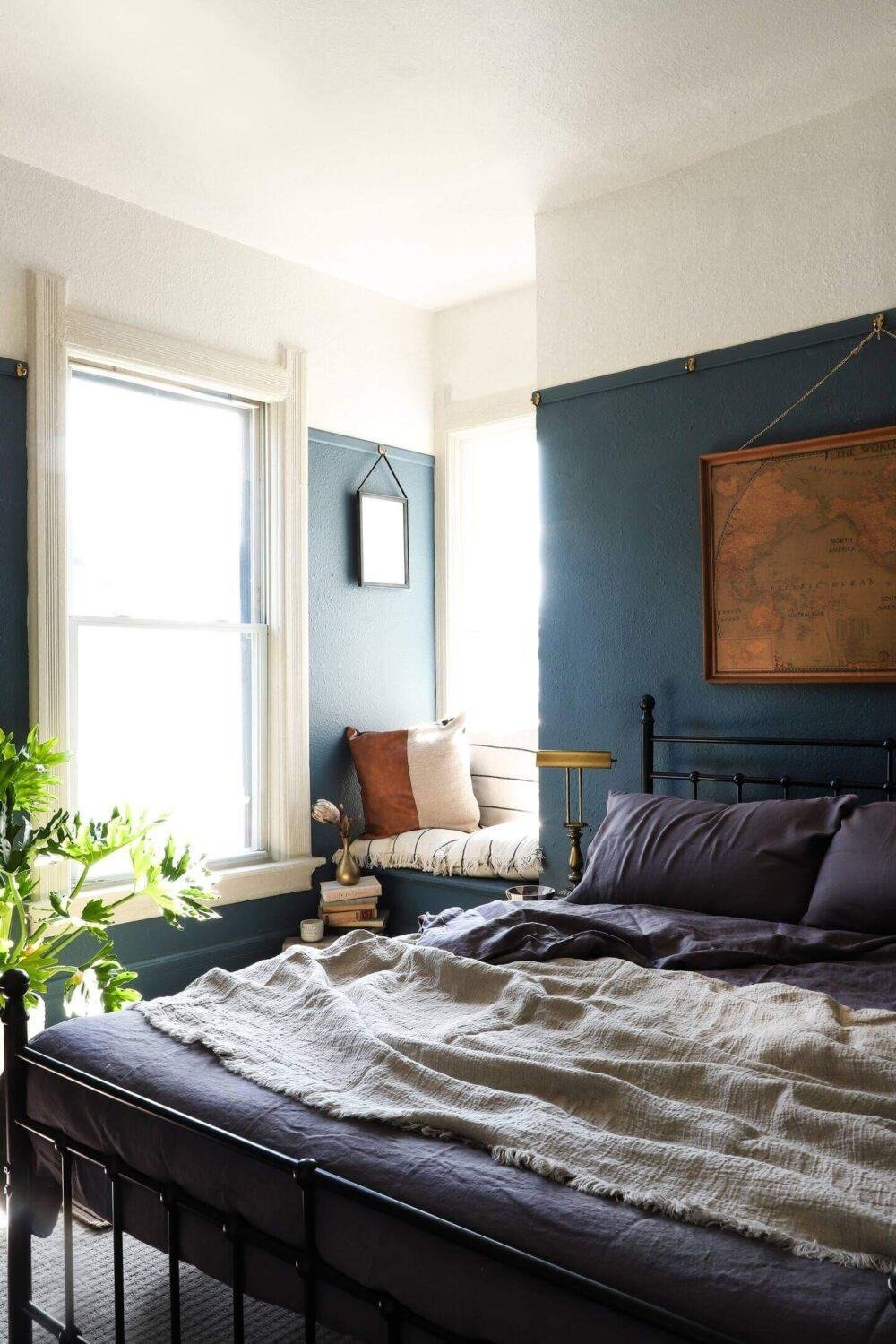
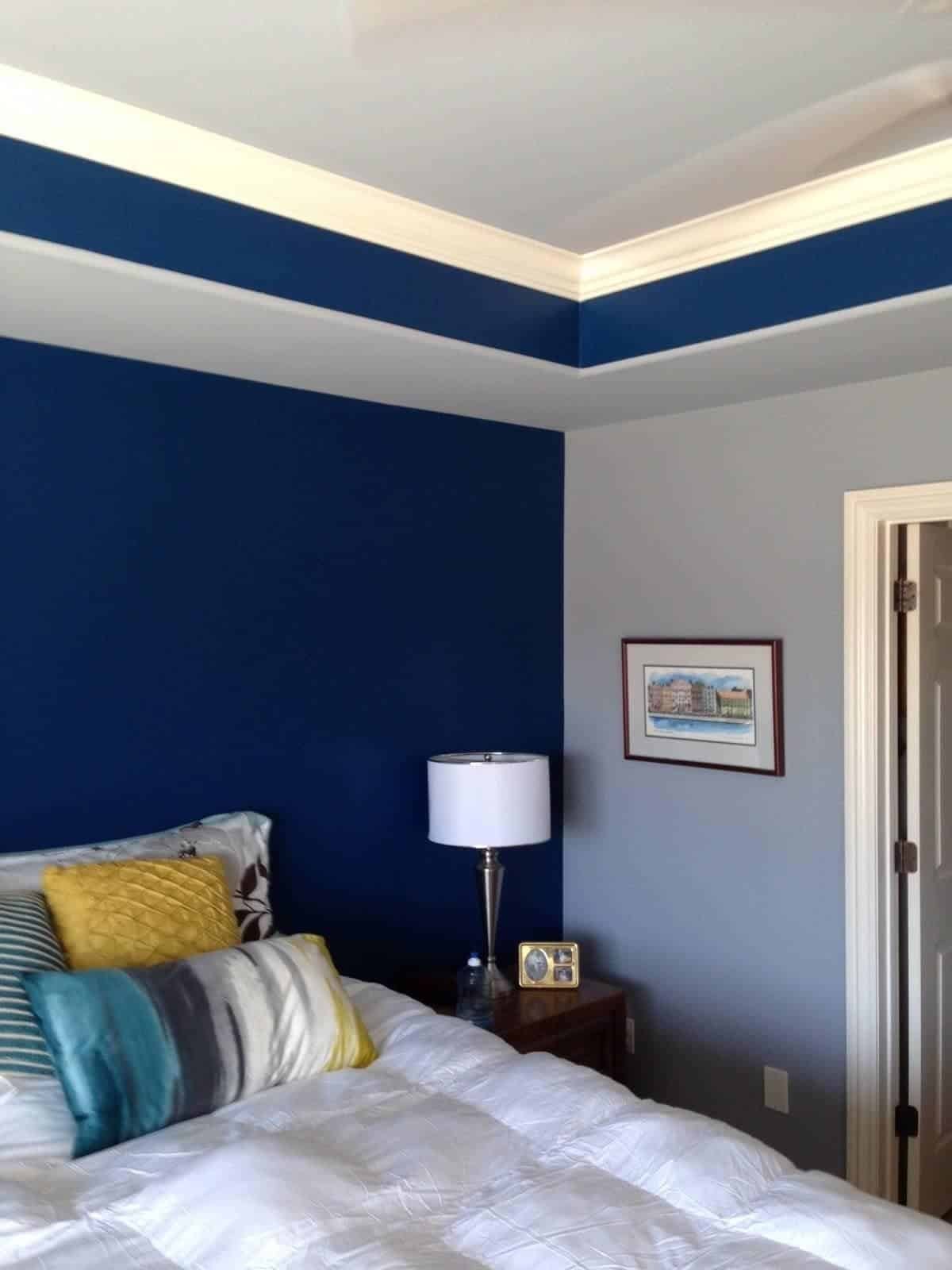
A vertical split gives rooms a bold contemporary feel. Instead of dividing the wall horizontally, you paint one side one color and the remaining portion another. This approach works beautifully behind beds, desks, or entertainment centers. Ever wondered why modern apartments often look so stylish with minimal décor? Vertical color blocking plays a huge role.
Styling Tips
- Keep one color neutral.
- Center the split behind furniture.
- Use contrasting artwork.
- Choose simple furniture lines.
- Add matching throw pillows.
Bonus Tip: If your room feels narrow, use the lighter color on the larger side to visually open the space.
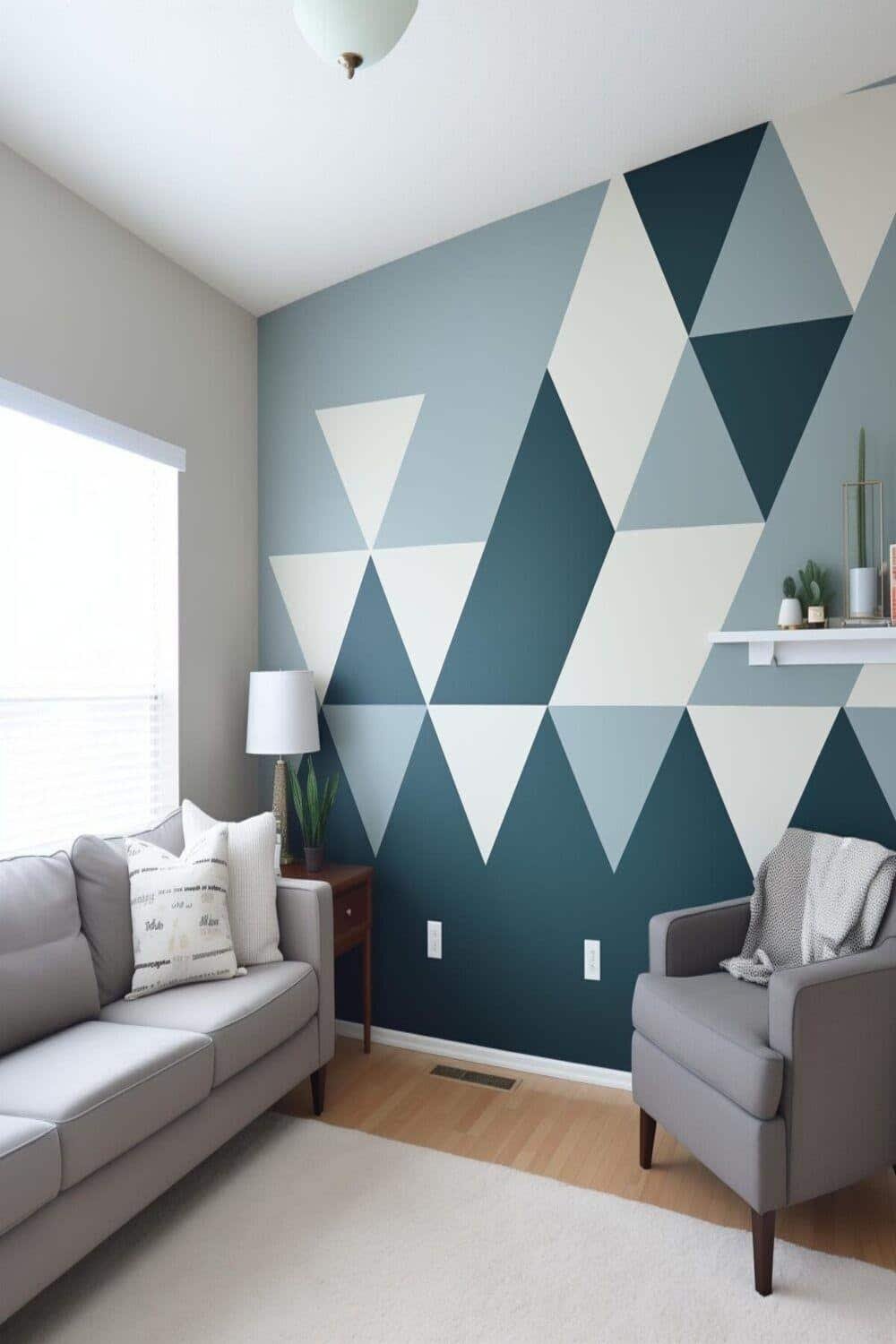
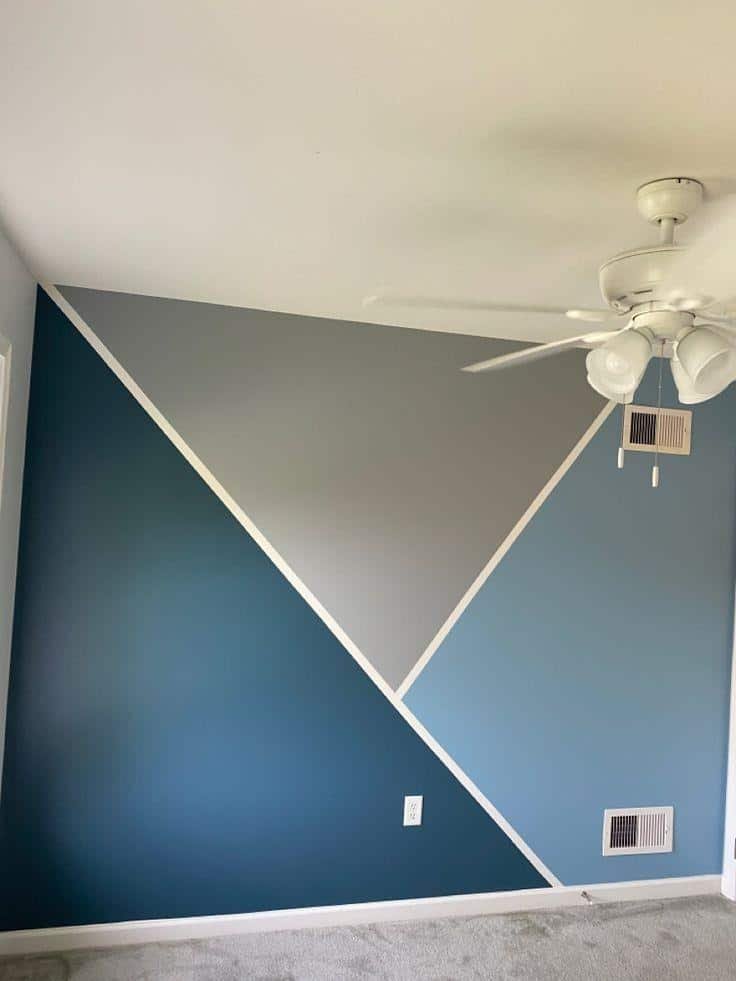
Idea 3: Geometric Paint Design
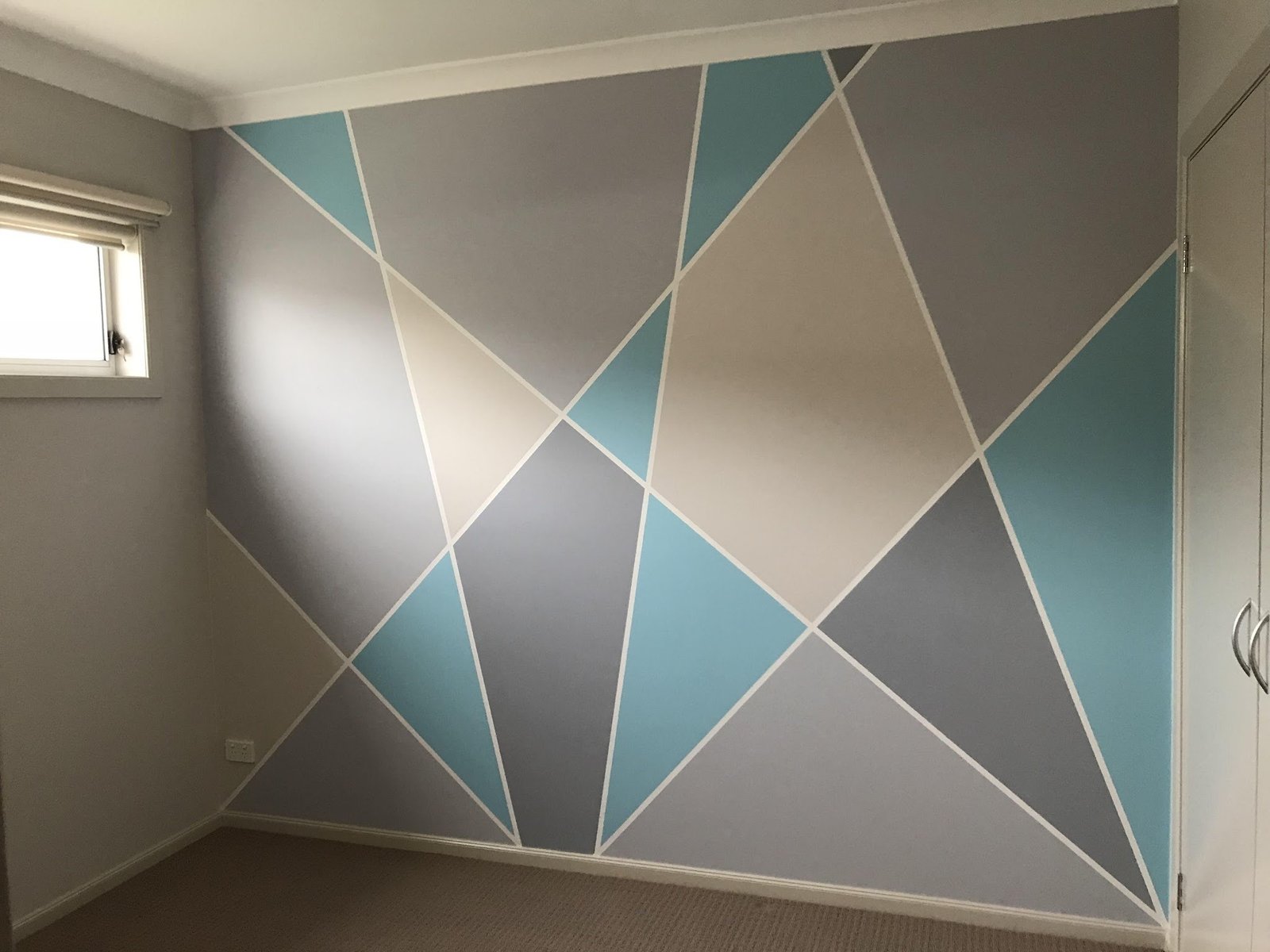
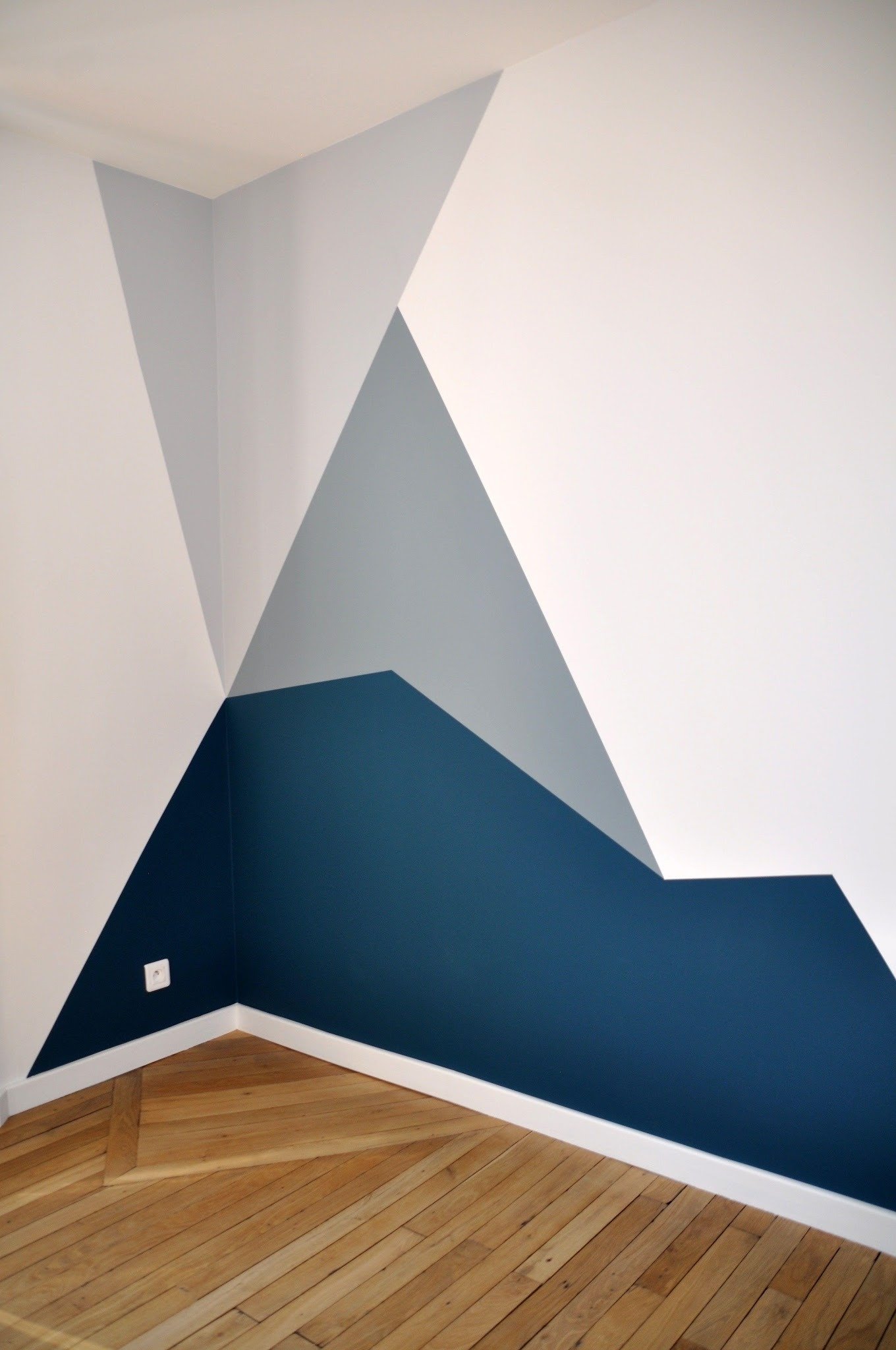
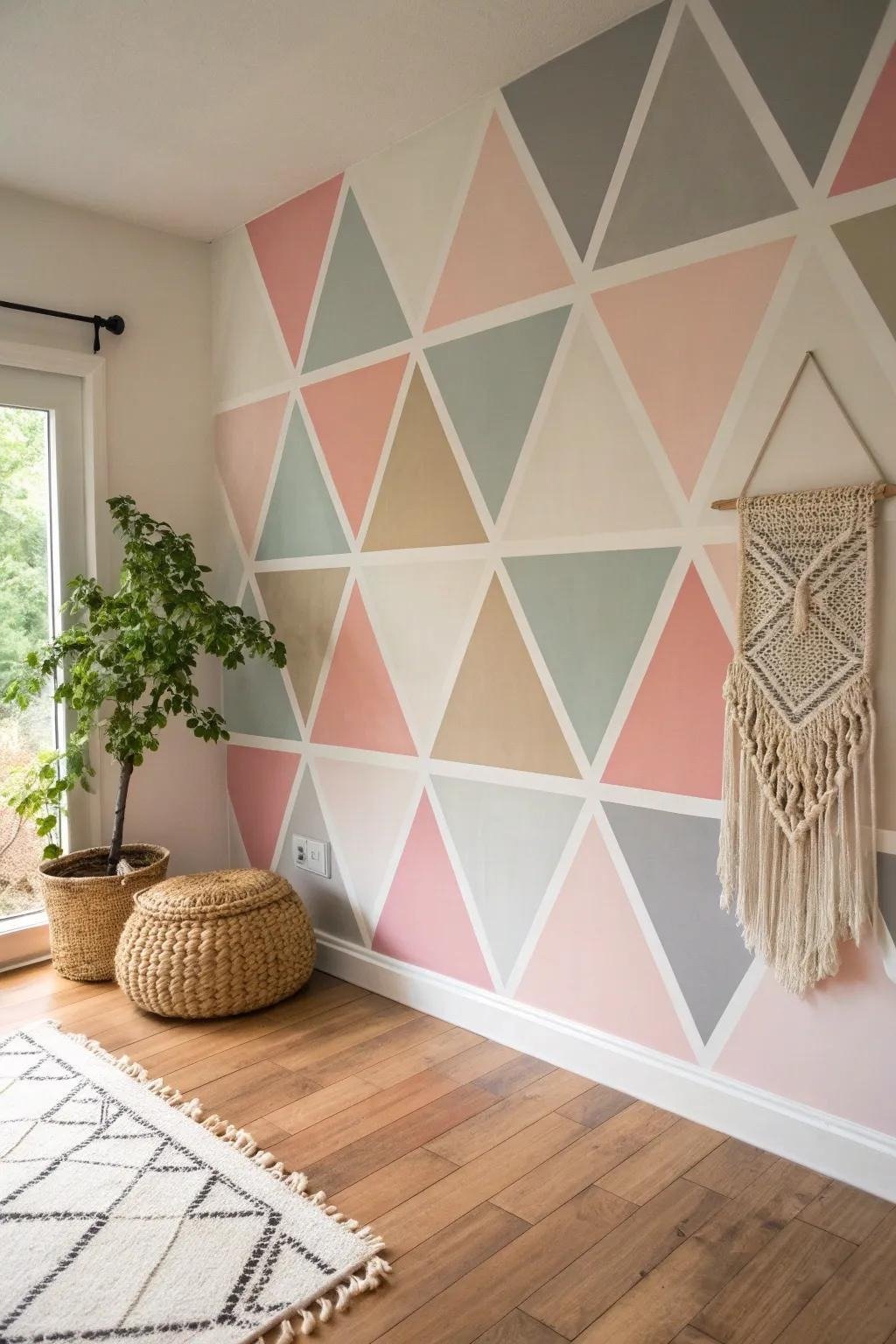
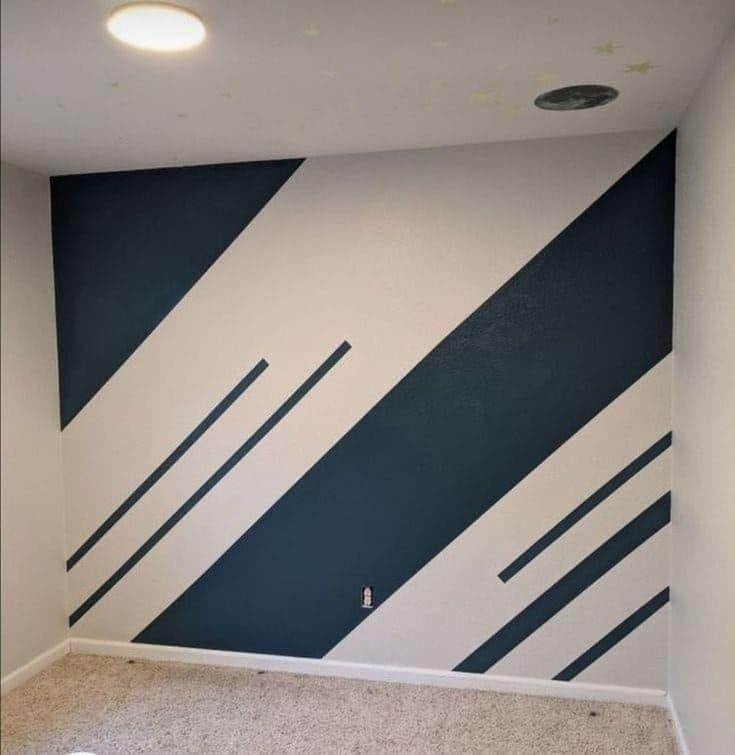
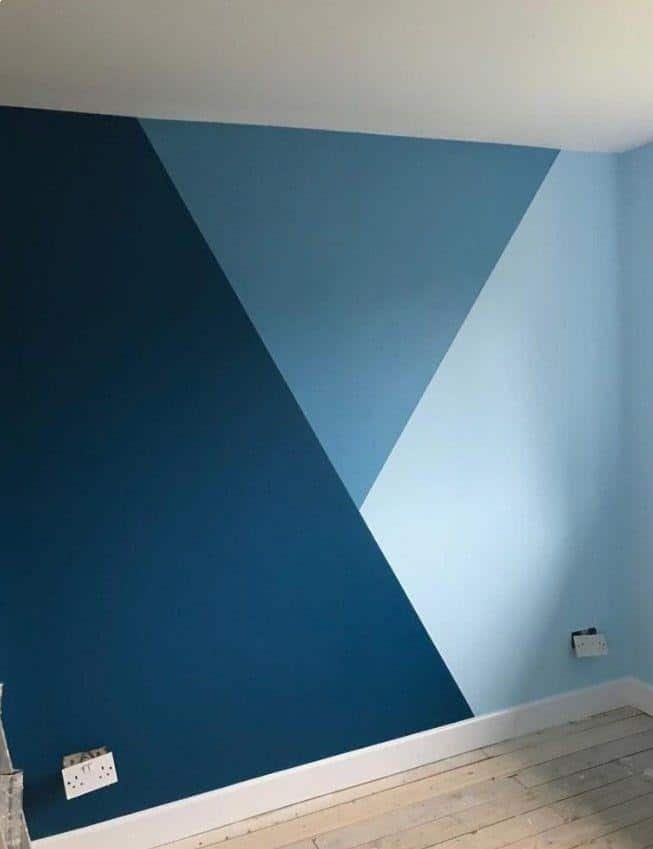
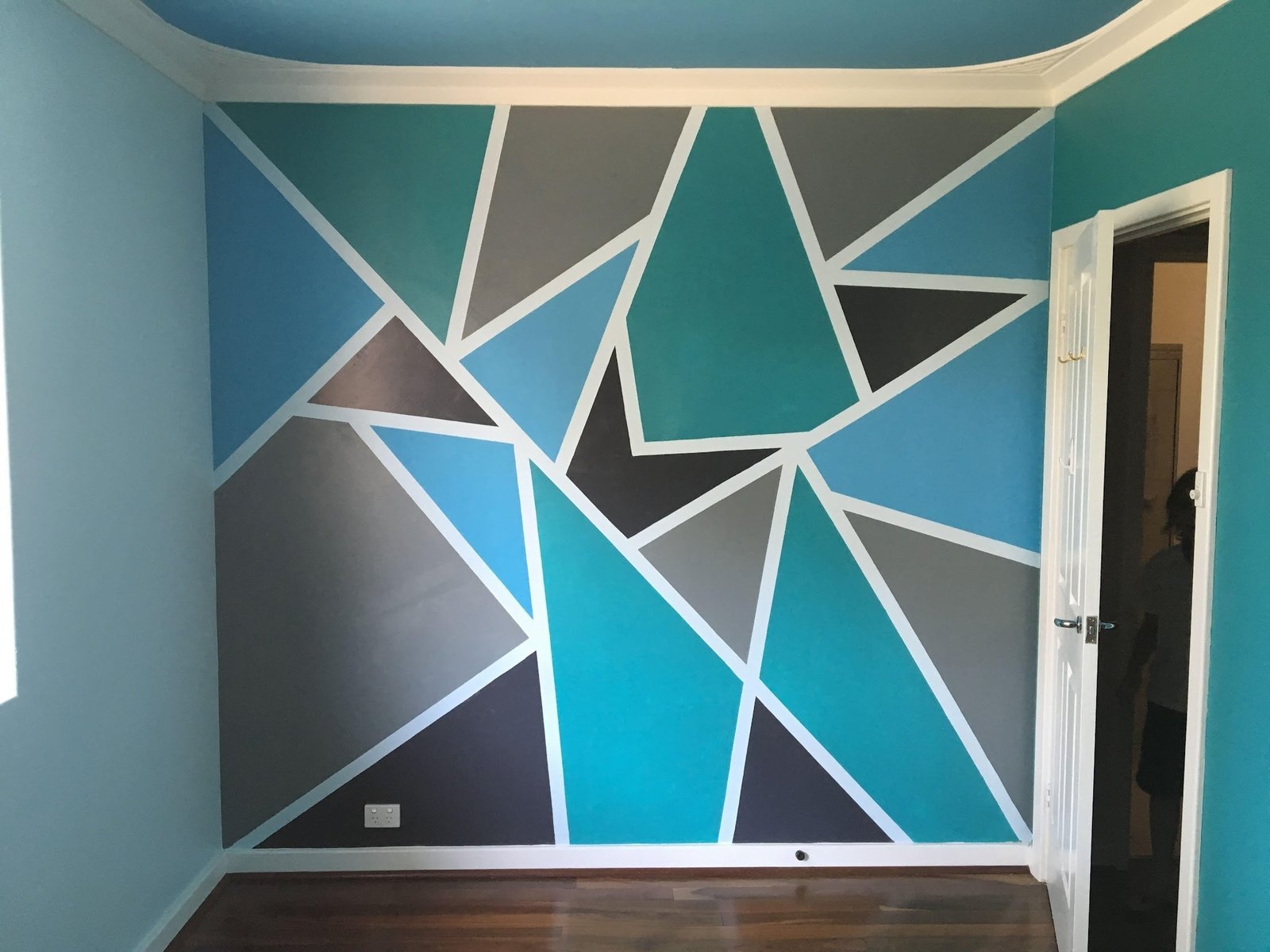
Geometric designs let you divide walls using diagonal lines, triangles, or irregular shapes. This idea adds instant personality and works especially well in home offices, playrooms, and creative studios. I tried a simple diagonal split once, and it completely changed an otherwise boring workspace. FYI, painter’s tape becomes your best friend here.
Styling Tips
- Stick with only two colors.
- Use sharp painter’s tape.
- Pair with minimalist furniture.
- Repeat one wall color in accessories.
- Avoid busy wallpaper nearby.
Bonus Tip: Draw your design on paper first. A quick sketch prevents expensive paint regrets later.
Idea 4: Half-Painted Wall
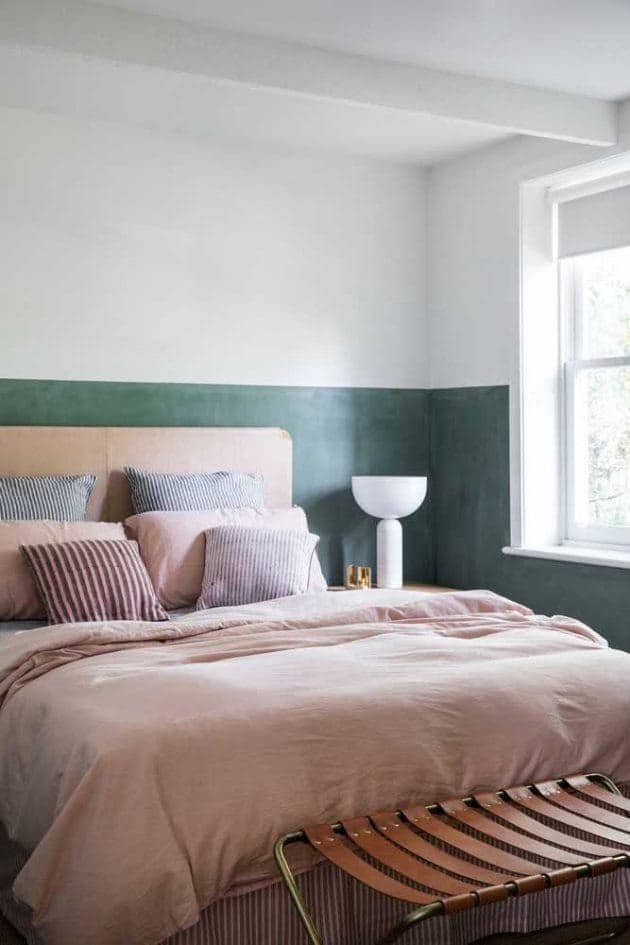
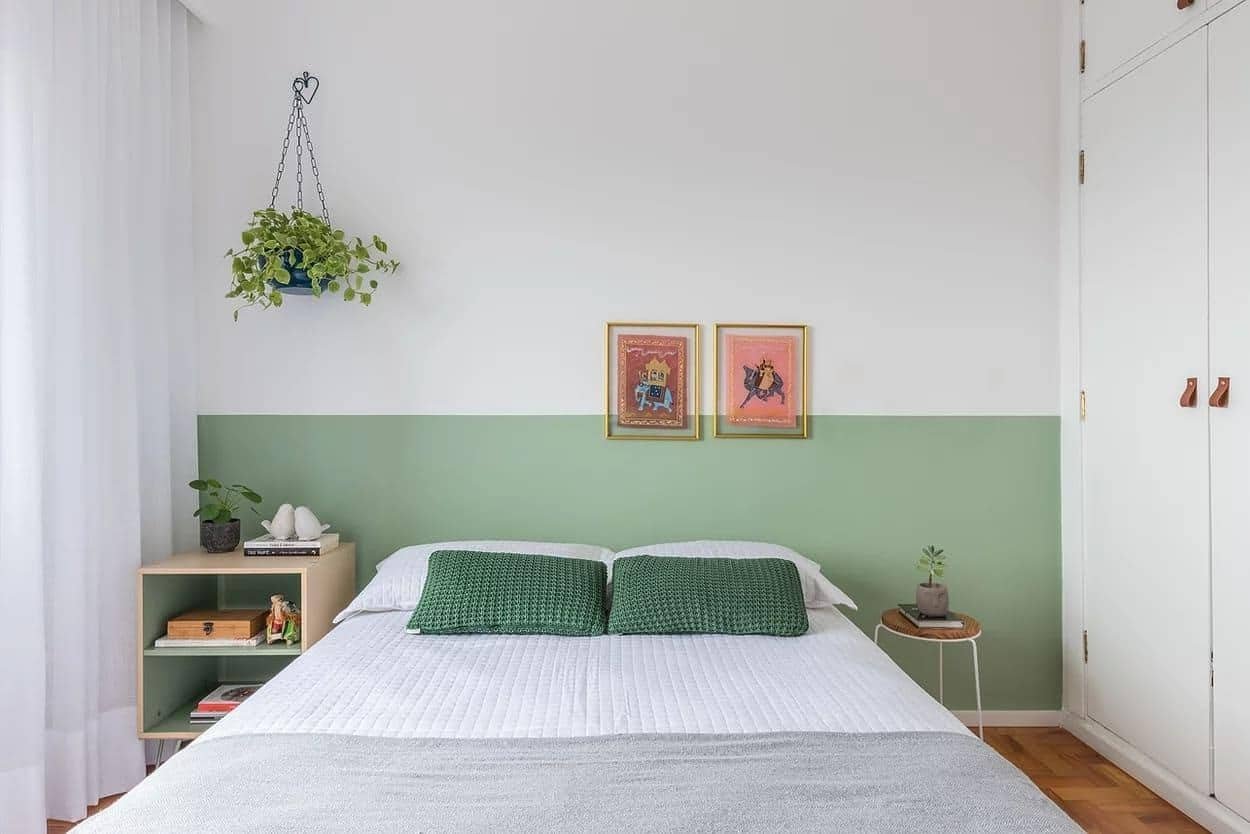
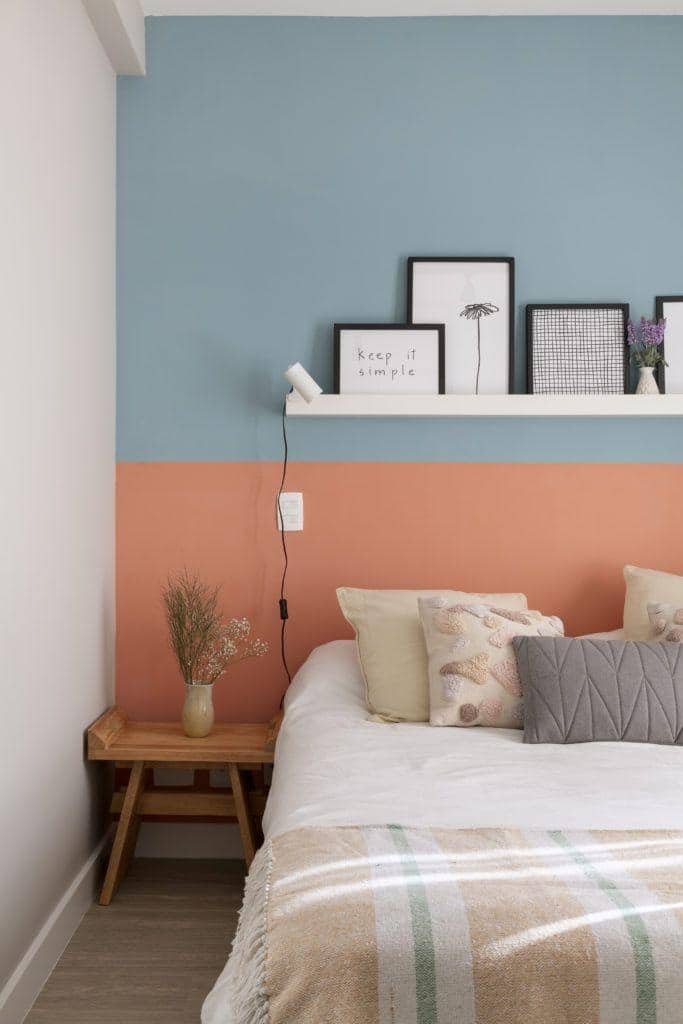
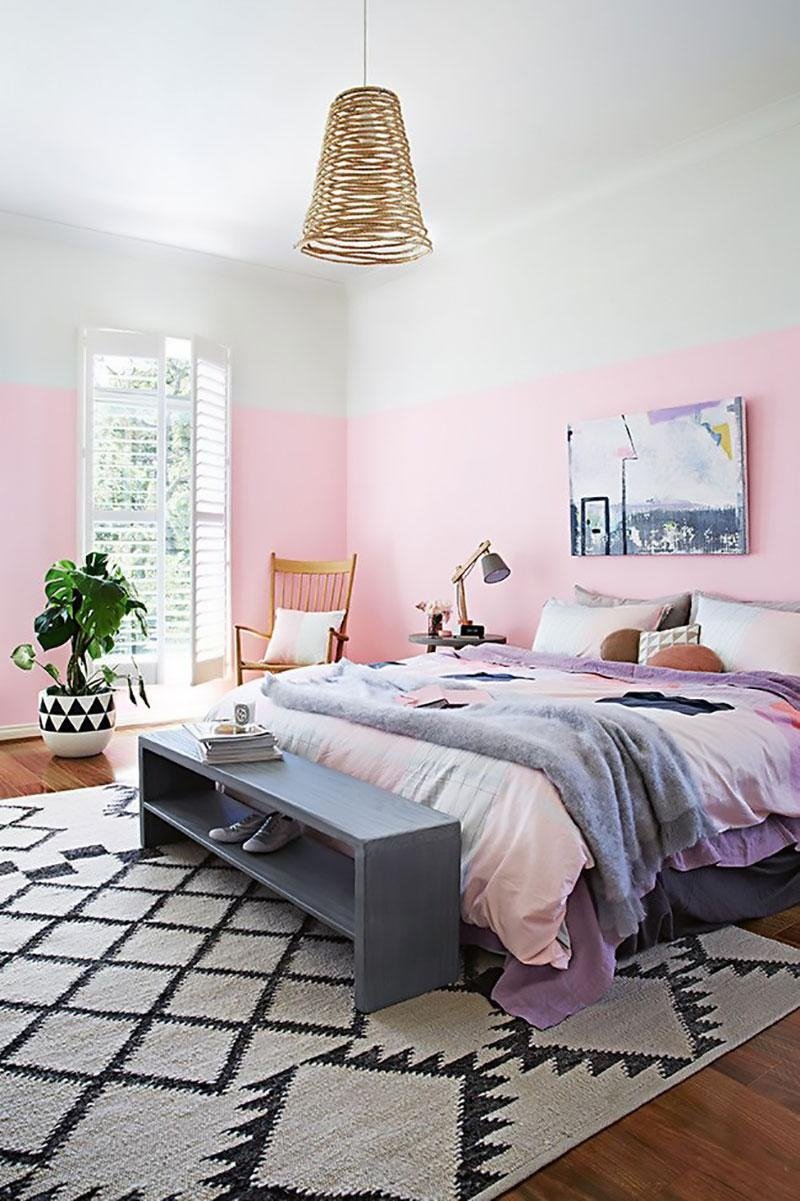
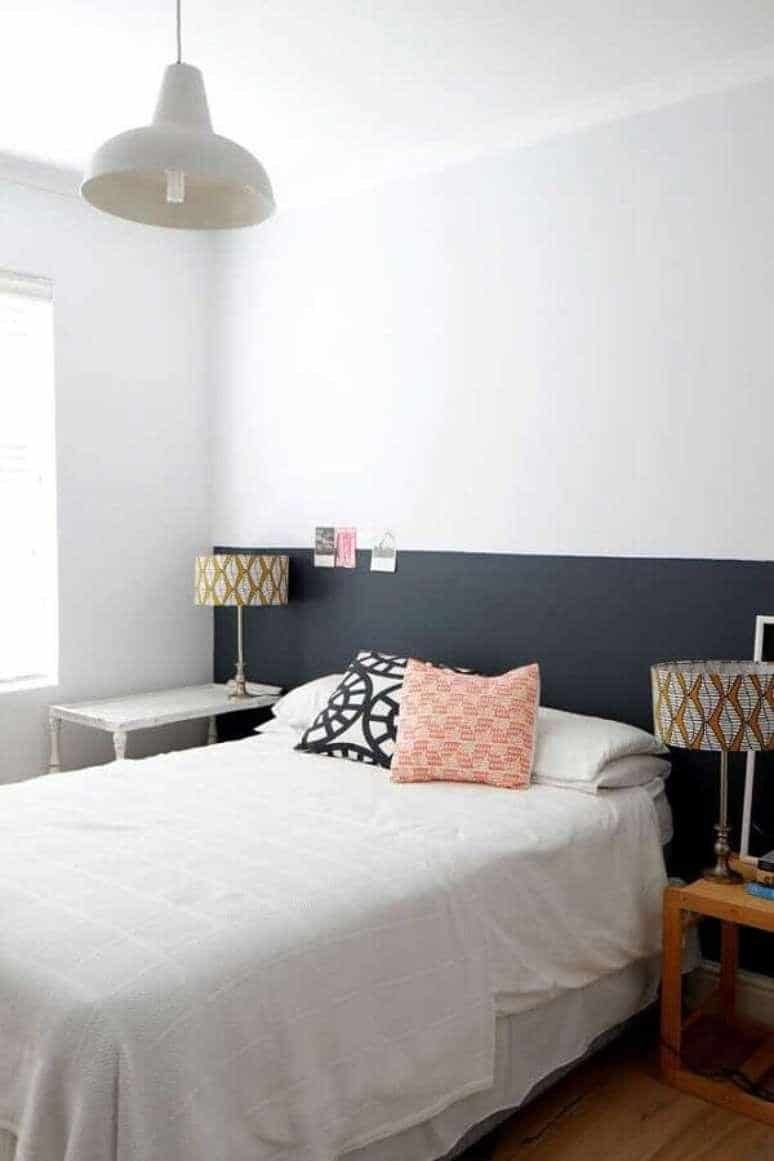
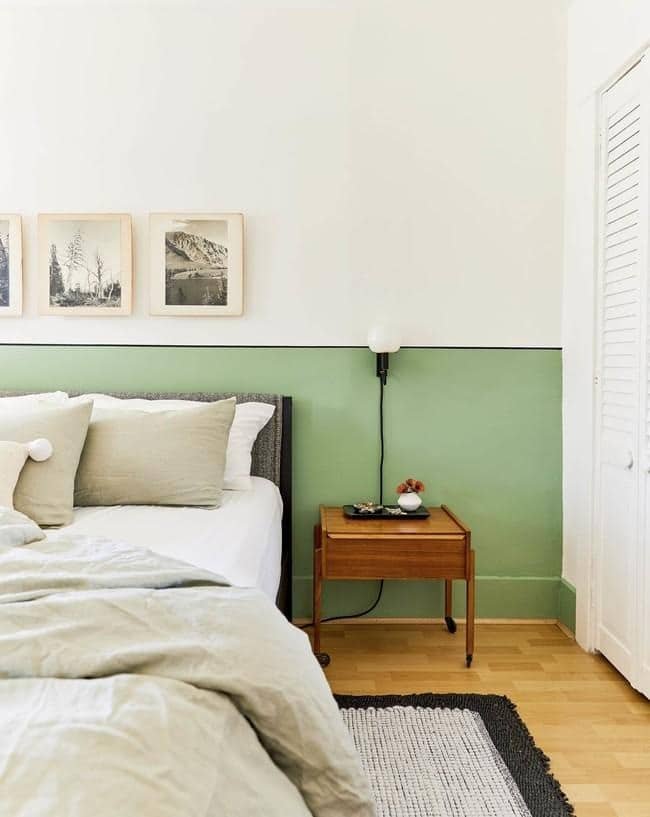
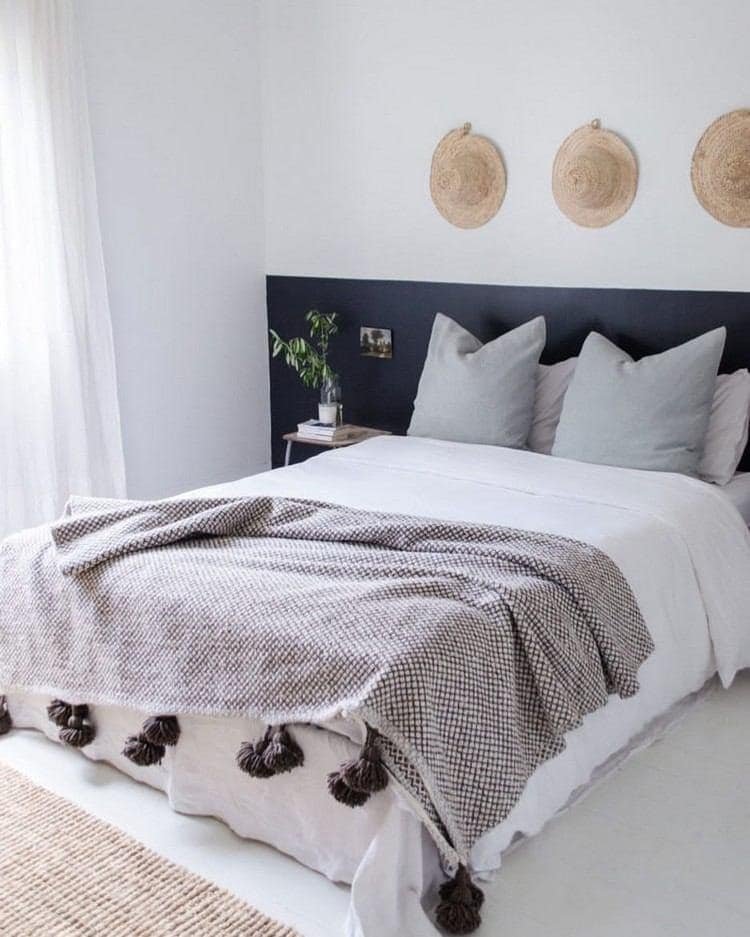
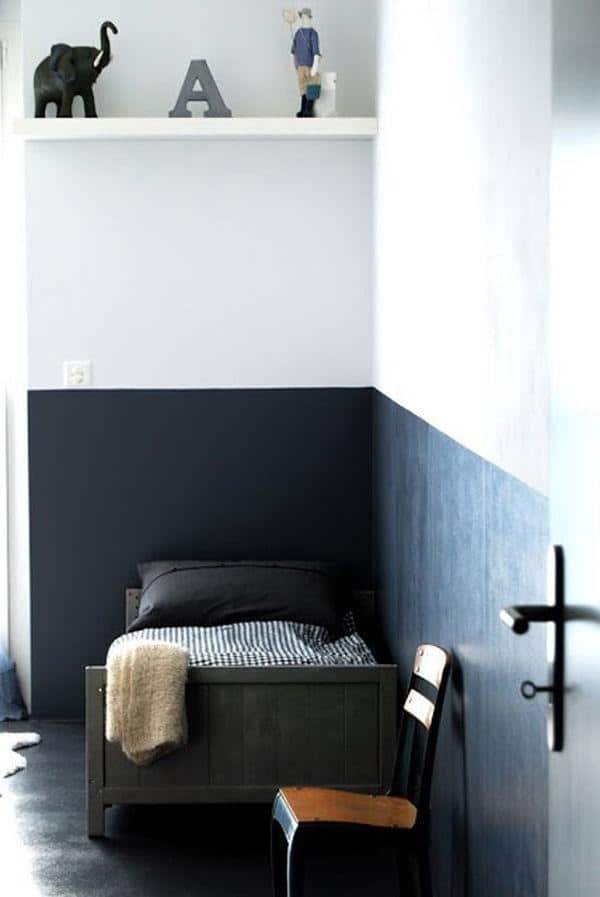
Half-painted walls create a relaxed Scandinavian-inspired look. Instead of stopping exactly halfway, many designers paint only the lower 40–45% of the wall. This creates a cozy feeling while keeping the room bright. IMO, this style looks especially beautiful in children’s bedrooms because it adds color without overwhelming the space.
Styling Tips
- Use muted earth tones.
- Pair with wooden furniture.
- Add floating shelves above.
- Keep bedding neutral.
- Mix natural textures.
Bonus Tip: Paint the headboard area using the same lower color to create a built-in furniture effect.
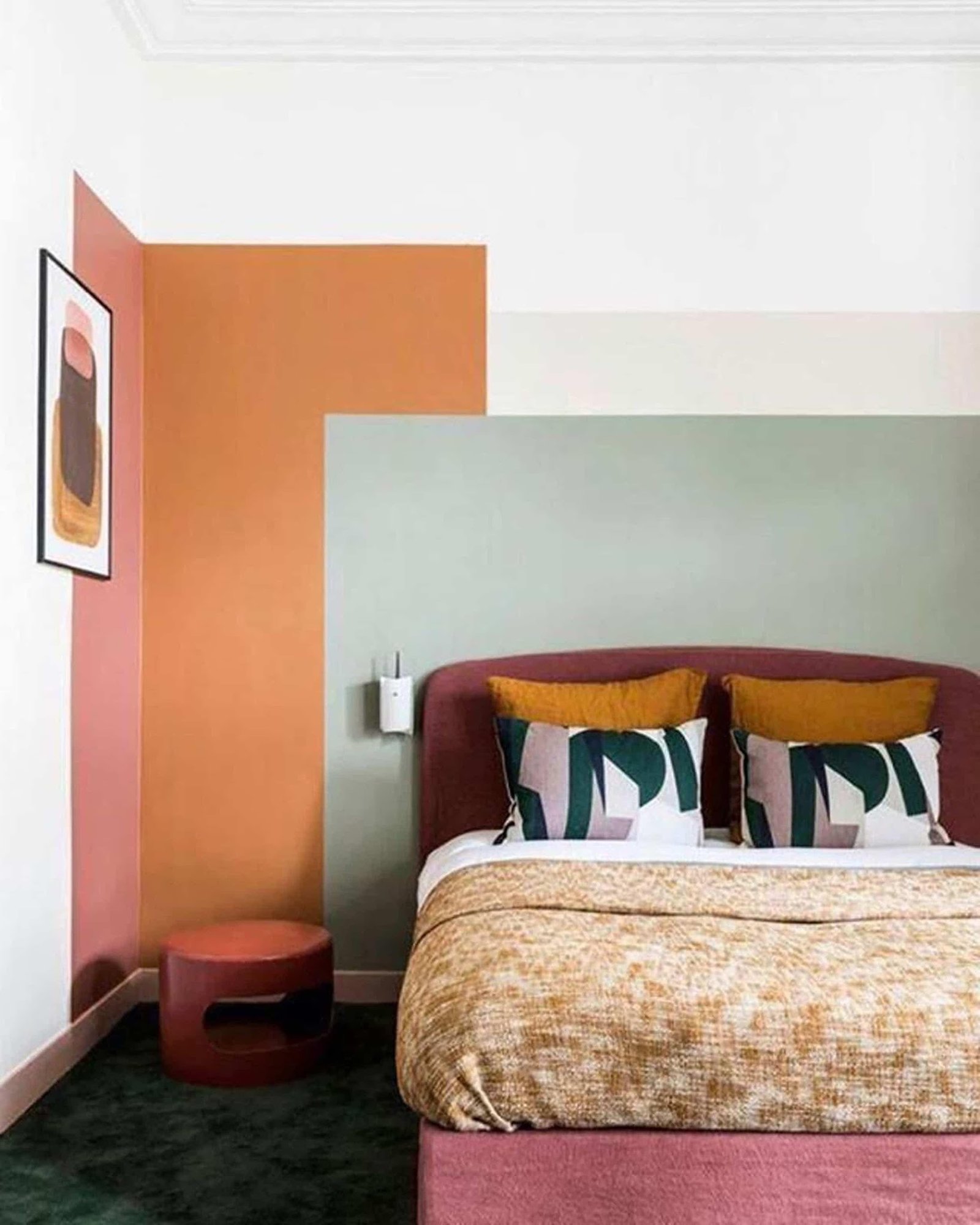
Idea 5: Color Block Accent Wall
A color-block accent wall uses one large painted section instead of covering the entire surface equally. You might paint a large rectangle behind a sofa or bed while leaving the remaining wall another shade. This simple technique draws attention exactly where you want it without making the room feel busy.
Styling Tips
- Center the block carefully.
- Match décor with paint colors.
- Keep surrounding walls neutral.
- Choose matte finishes.
- Hang oversized artwork.
Bonus Tip: Measure twice before painting. Crooked rectangles never look intentionally artistic… despite what your cousin says.
Idea 6: Diagonal Wall Division
Diagonal paint lines instantly add movement and energy to a room. They break away from traditional decorating while remaining surprisingly elegant when done with soft colors. Bedrooms, home gyms, and offices benefit the most from this creative approach.
Styling Tips
- Use painter’s tape tightly.
- Keep furniture simple.
- Choose complementary shades.
- Add metallic décor.
- Repeat colors in rugs.
Bonus Tip: Steeper angles usually create more dramatic results than gentle slopes.
Idea 7: Arch Shape With Two Colors
Painted arches continue to dominate interior design trends because they soften harsh wall lines. Instead of painting an entire wall, create an oversized arch using one color while leaving the surrounding wall another shade.
Styling Tips
- Place the arch behind beds.
- Use earthy paint colors.
- Add matching décor.
- Keep nearby walls simple.
- Use rounded mirrors.
Bonus Tip: Trace your arch using string and a pencil before painting for perfect symmetry.
Idea 8: Two-Tone Wall With Picture Rail Effect
Instead of installing expensive trim, simply paint a horizontal line and use two contrasting colors to imitate a picture rail. The finished result feels elegant and traditional while staying budget-friendly.
Styling Tips
- Add vintage frames.
- Pair cream with navy.
- Use classic furniture.
- Install brass lighting.
- Keep floors neutral.
Bonus Tip: Paint the “picture rail” line with a small artist’s brush for crisp edges.
Best Rooms for Two-Color Walls
Different paint divisions work better in certain spaces.
| Room | Best Style |
| Living Room | Horizontal split |
| Bedroom | Half-painted wall |
| Dining Room | Wainscoting effect |
| Nursery | Soft color block |
| Home Office | Geometric wall |
| Hallway | Vertical division |
| Bathroom | Lower dark paint |
| Entryway | Diagonal feature wall |
Common Mistakes to Avoid
Even beautiful colors can disappoint if the layout isn’t planned properly.
Avoid these mistakes:
- Skipping painter’s tape
- Choosing two equally dark colors
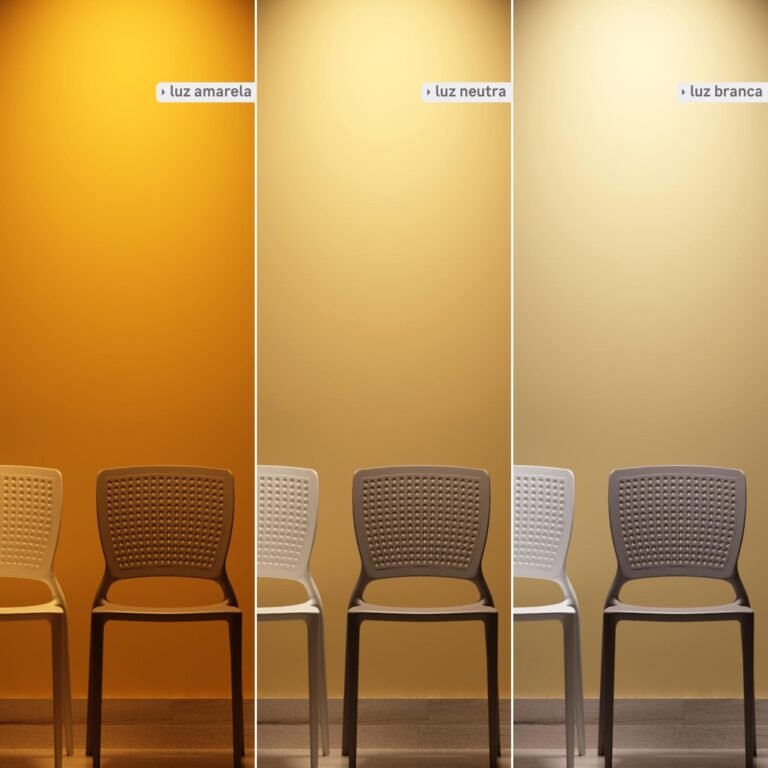
- Ignoring natural lighting
- Using glossy paint everywhere
- Painting without measuring
- Forgetting to test paint samples first
Trust me, testing paint samples saves hours of repainting later.
Tools You’ll Need
You don’t need expensive equipment to achieve clean results.
Prepare these supplies:
- Quality interior paint
- Primer
- Painter’s tape
- Paint rollers
- Angled brush
- Measuring tape
- Level
- Pencil
- Drop cloth
- Paint tray
How to Paint Clean Dividing Lines
Professional-looking walls come down to preparation.
Follow these simple steps:
- Clean the wall thoroughly.
- Apply primer if necessary.
- Measure carefully.
- Mark your dividing line with a level.
- Apply painter’s tape firmly.
- Paint the lighter color first.
- Let it dry completely.
- Tape again before applying the darker shade.
- Remove tape slowly while paint remains slightly damp.
Patience beats rushing every single time.
Frequently Asked Questions
Where should I divide the wall?
Most people divide walls at one-third, halfway, or two-thirds of the height depending on the room and furniture placement.
Which color goes on top?
Usually the lighter color belongs on top because it makes ceilings appear higher.
Can I use two bold colors?
Yes, but balance them carefully. Pair one vibrant shade with a calmer tone to avoid overwhelming the room.
Should every wall have two colors?
Not necessarily. One feature wall often creates more impact than painting every wall.
Final Thoughts
Learning how to divide a wall with two paint colors gives you one of the easiest ways to transform any room. You don’t need expensive materials, advanced DIY skills, or a professional decorator to achieve stunning results. With thoughtful color choices, careful measurements, and a little patience, you can create a space that feels larger, brighter, and far more stylish.
If I could offer just one piece of advice, it would be this: always test your paint colors in natural light before committing to the entire wall. It takes a little extra time, but it saves a lot of frustration later.
So grab that painter’s tape, pick two colors you genuinely love, and give your walls the makeover they’ve been waiting for. Your room—and probably your Instagram feed—will thank you.