How to Make a Cream Color with Paint
Table of Contents
How to Make a Cream Color with Paint: The Easy Guide to Mixing the Perfect Cream Shade
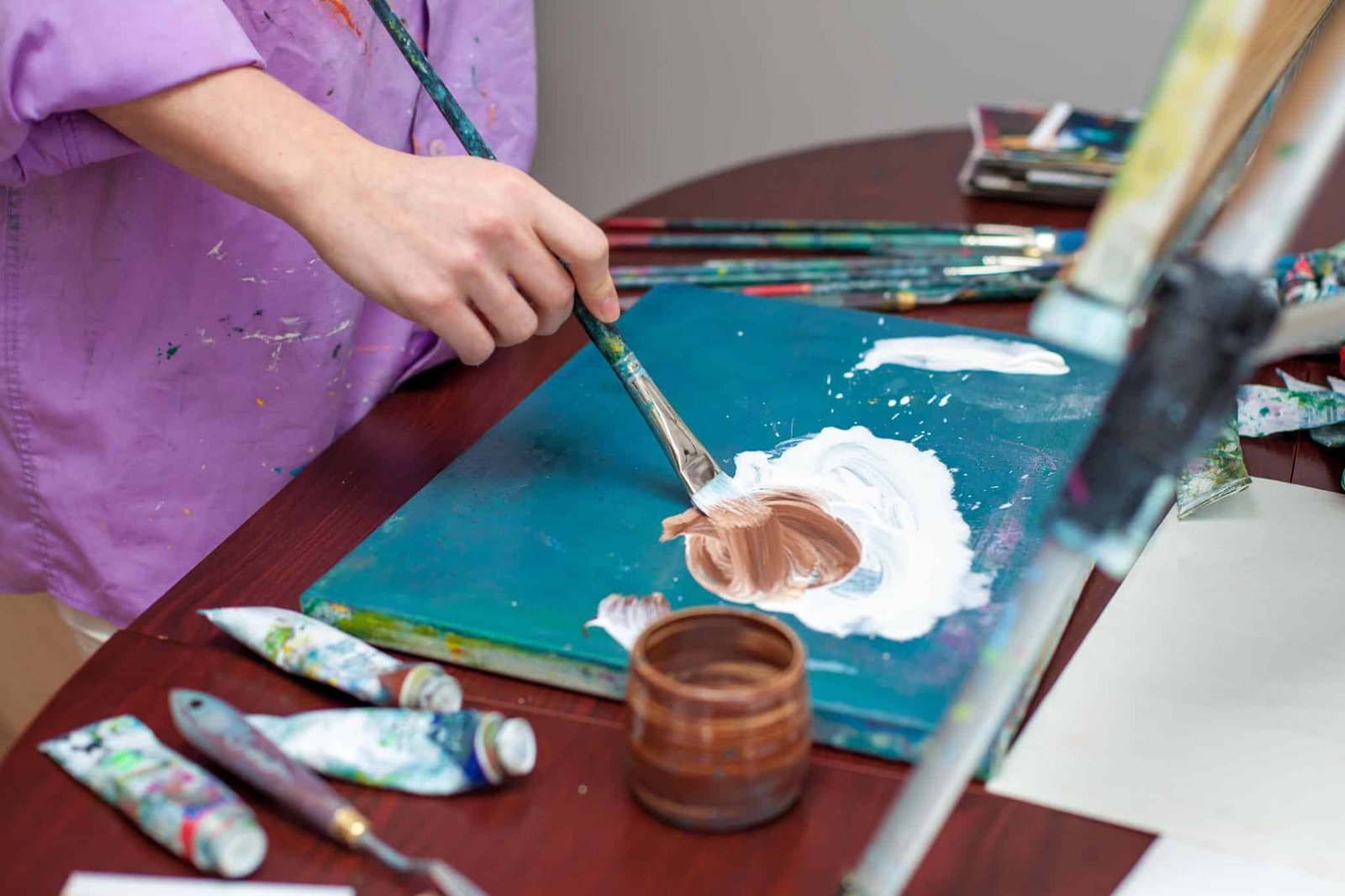
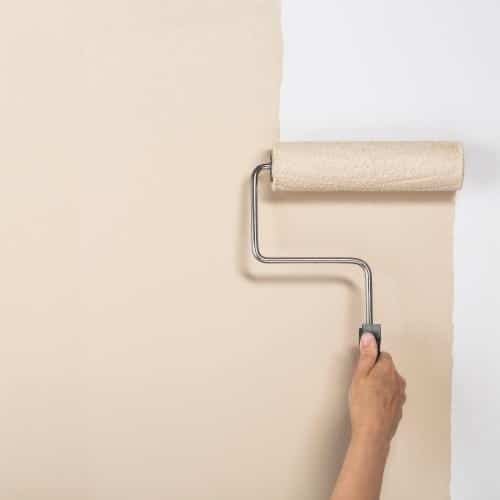
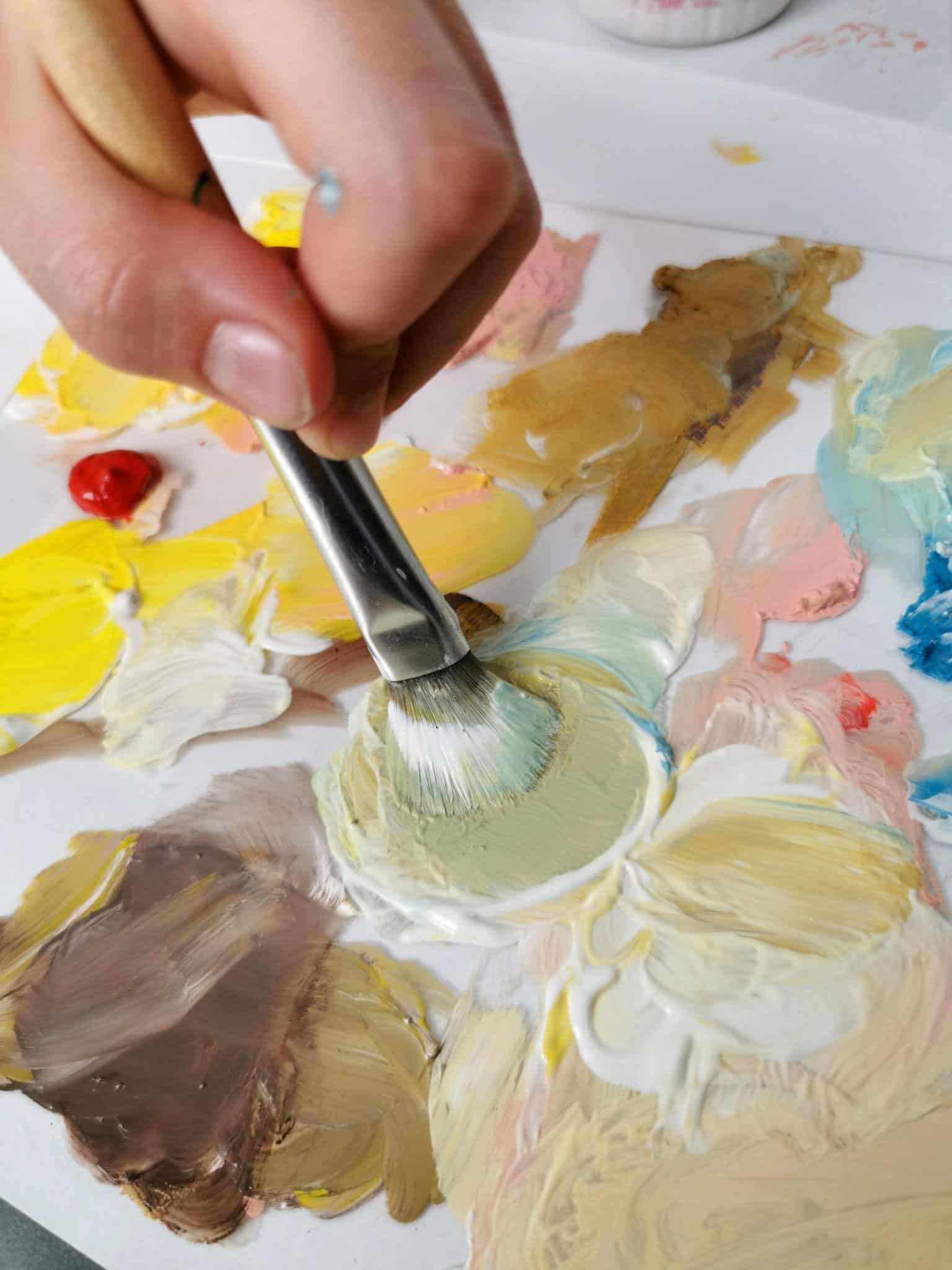
Have you ever bought what looked like the perfect cream paint, only to discover it looked way too yellow or oddly beige once you got home? Yep, I’ve been there. It feels like the paint can plays a practical joke the moment you open it.
The good news? Making your own cream color with paint is surprisingly simple. Once you understand how a few colors interact, you can create anything from a warm buttery cream to a soft antique ivory. I actually prefer mixing my own because I can fine-tune the shade instead of settling for “close enough.”
Let’s walk through everything you need to know so you can mix the perfect cream color every single time.
Why Cream Is Such a Popular Paint Color
Cream remains one of the most versatile paint colors because it adds warmth without making a room feel dark. Unlike stark white, cream creates a welcoming atmosphere while still keeping spaces bright.
People love cream because it:
- Works with almost every decorating style
- Softens harsh lighting
- Pairs beautifully with wood furniture
- Makes rooms feel cozy without feeling small
- Looks timeless instead of trendy
Ever wondered why expensive homes often use cream instead of bright white? The answer is simple—cream creates depth and warmth that plain white often lacks.
What Colors Make Cream Paint?
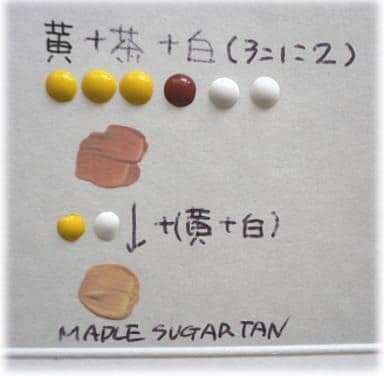
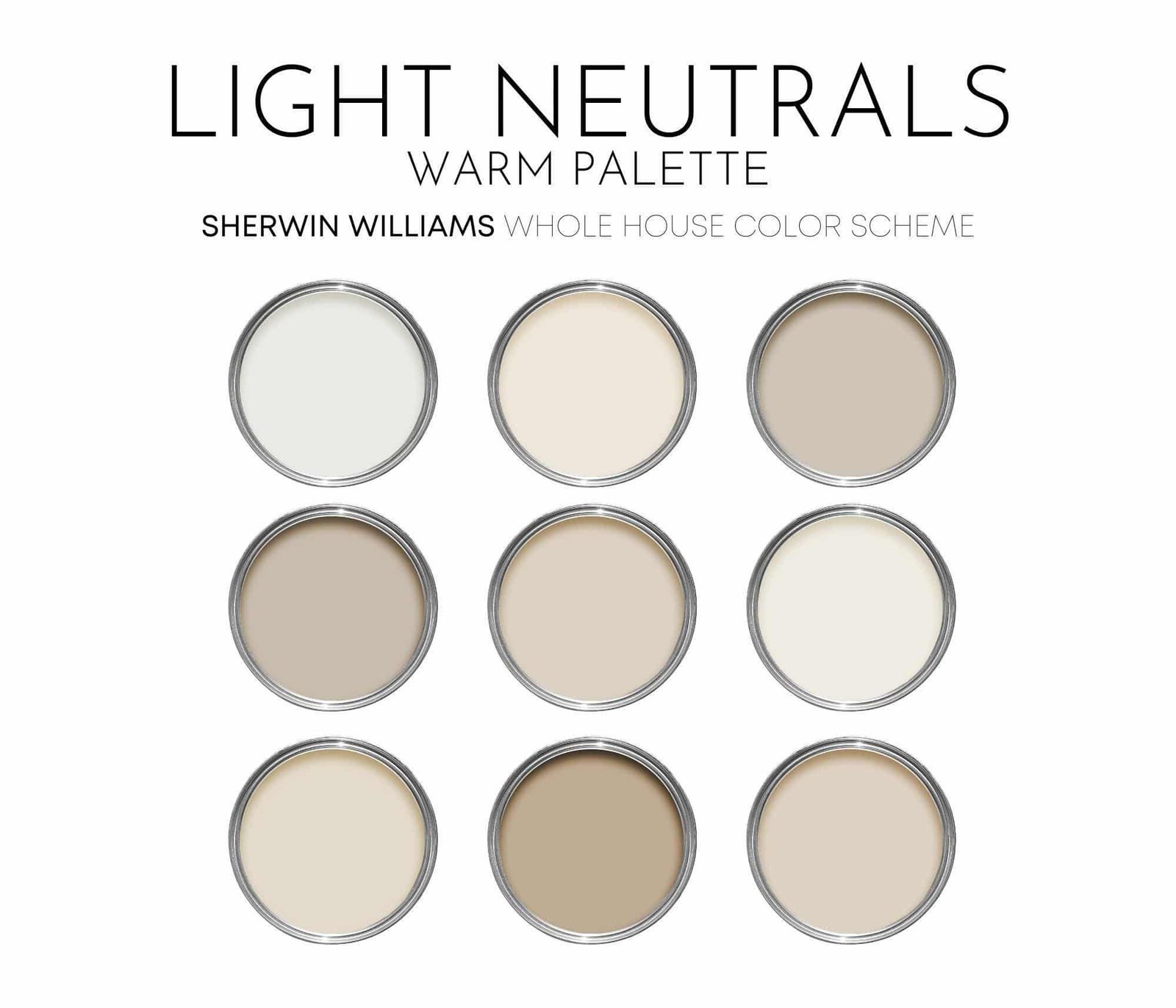
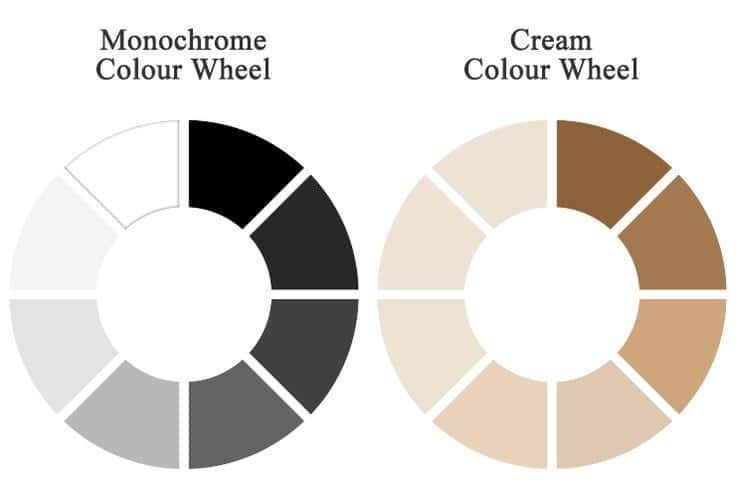
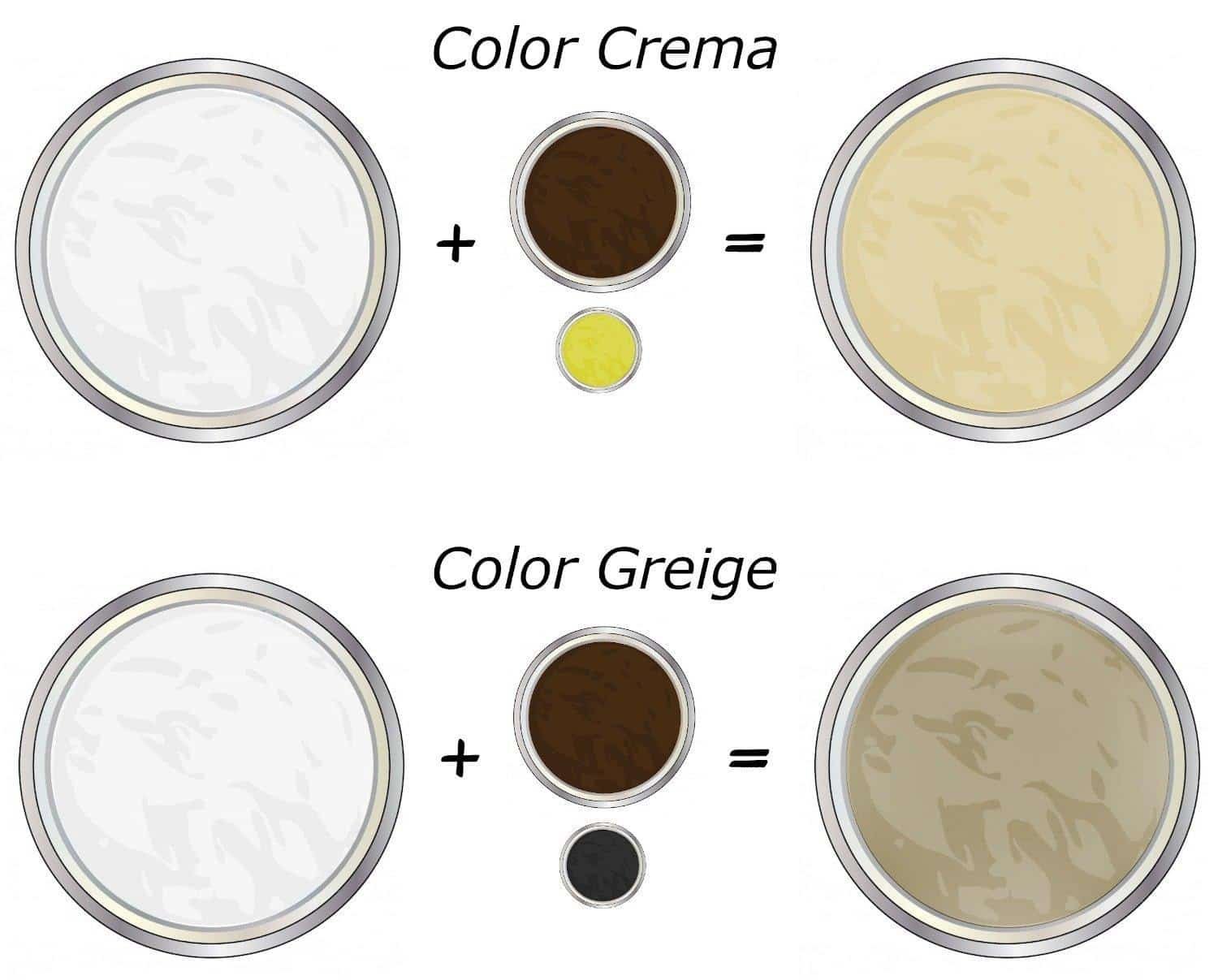
The basic cream formula couldn’t be easier.
You’ll need:
- White paint (your base)
- Yellow paint
- Brown paint (optional but recommended)
The basic ratio usually looks like this:
- 95% White
- 4% Yellow
- 1% Brown
Think of brown as the secret ingredient. It tones down the bright yellow and creates that rich creamy appearance.
FYI, a tiny amount goes a long way. Seriously. One extra drop can completely change the color. 🙂
Supplies You’ll Need
Before you start mixing, gather everything together.
Materials
- White paint
- Yellow paint
- Brown paint
- Mixing container
- Stir stick
- Palette knife
- Sample board or cardboard
- Measuring spoons or disposable syringes (optional)
Having everything nearby makes the process much easier and prevents color inconsistencies.
Step-by-Step Guide to Making Cream Paint
Step 1: Start With White
Always begin with white paint.
Pour the amount of white you’ll need into your mixing container. Since cream is mostly white, this creates your foundation.
Never start with yellow because you’ll end up adding tons of white later.
Step 2: Add Yellow Slowly
This step requires patience.
Add only one tiny drop of yellow at a time and stir thoroughly.
The color should gradually shift from bright white to a soft warm white.
If your paint suddenly looks like vanilla pudding…well…you got a little excited with the yellow.
Step 3: Tone It Down With Brown
Now comes the magic.
Add the smallest amount of brown possible.
Brown removes the harsh brightness from yellow and creates a realistic cream tone.
Mix thoroughly after every tiny addition.
Step 4: Test Before Painting
Never trust wet paint completely.
Paint a sample board and let it dry.
Most paints dry slightly darker or lighter depending on their finish, so waiting can save you from repainting an entire wall.
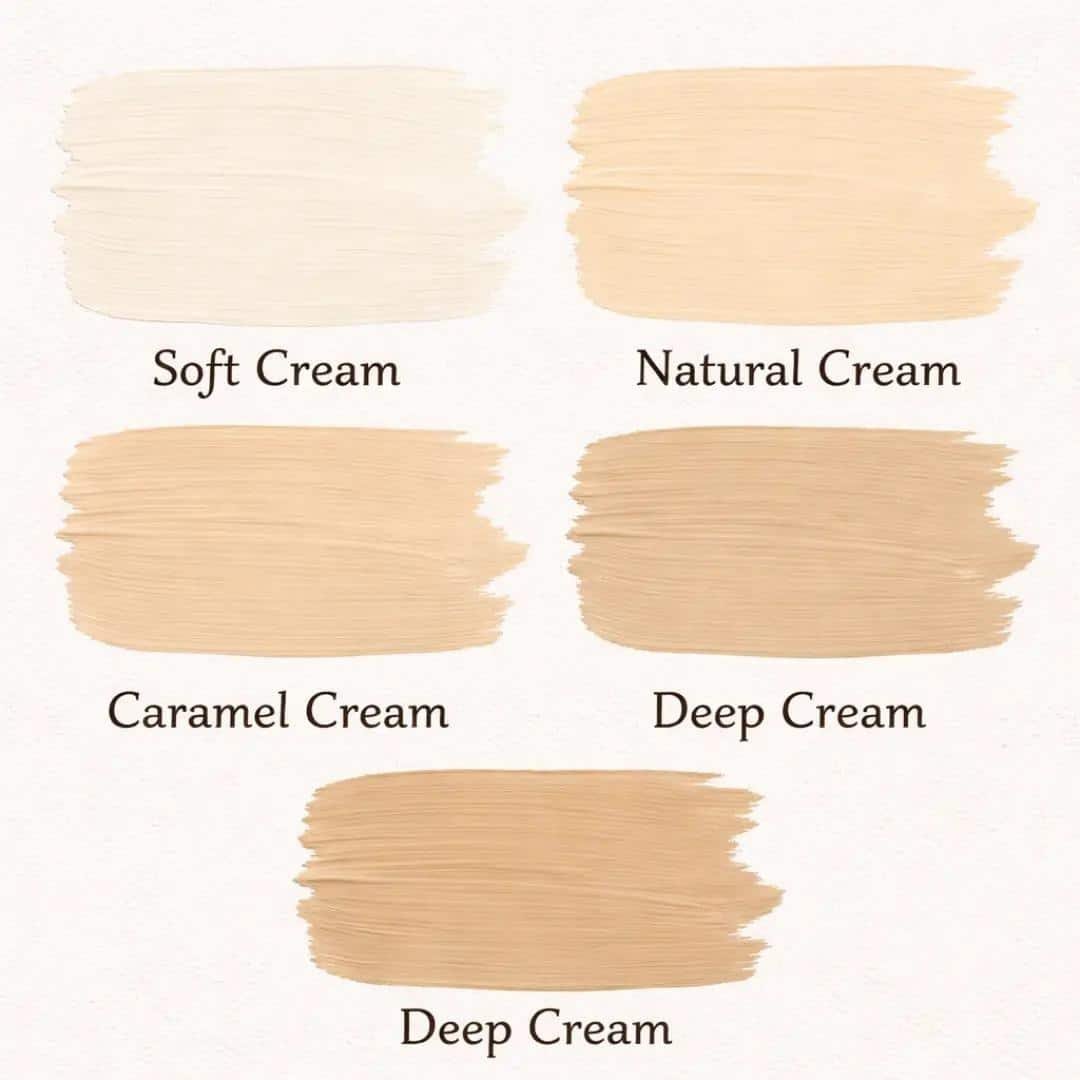
Different Cream Shades You Can Create
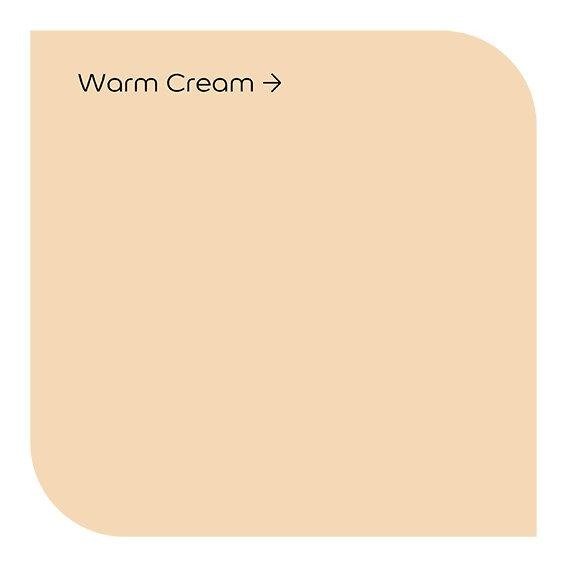
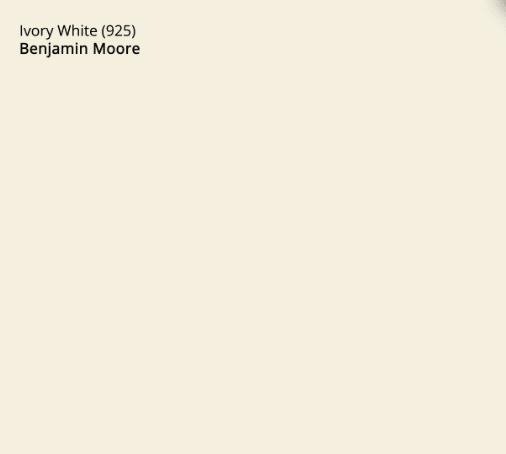
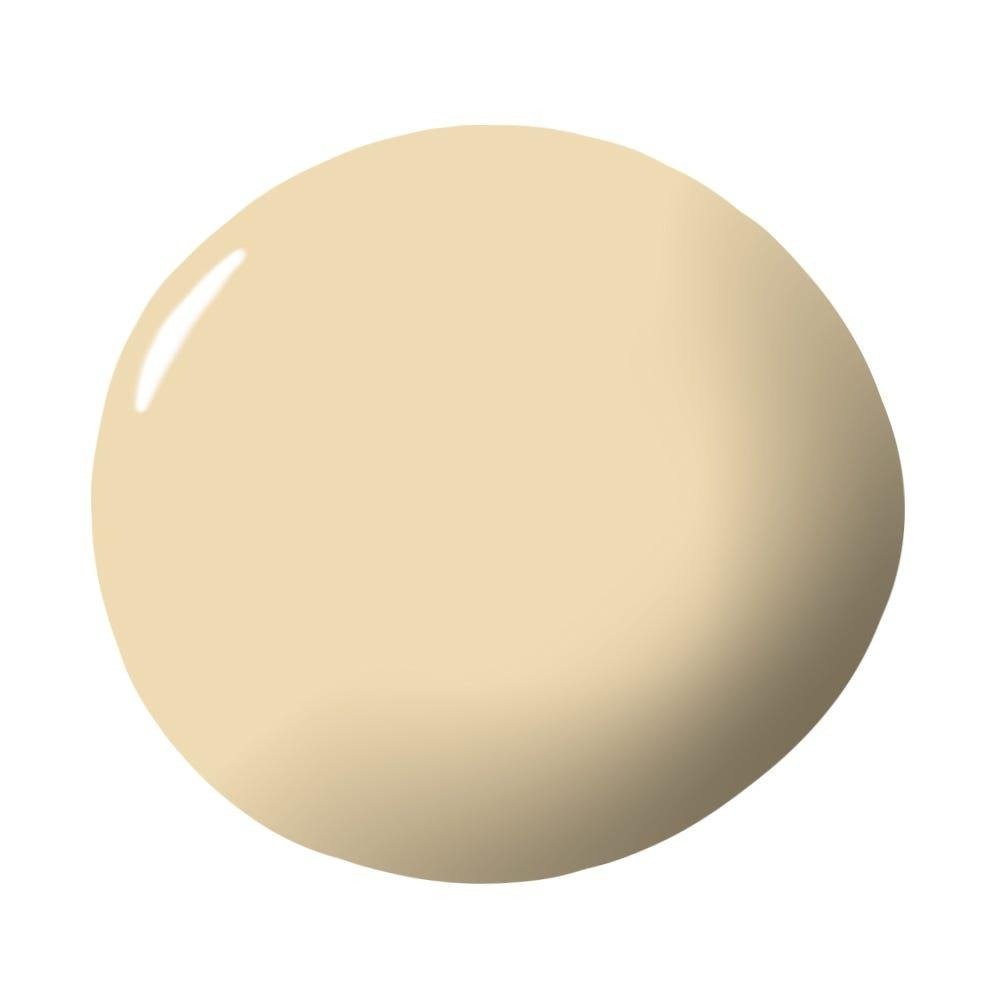
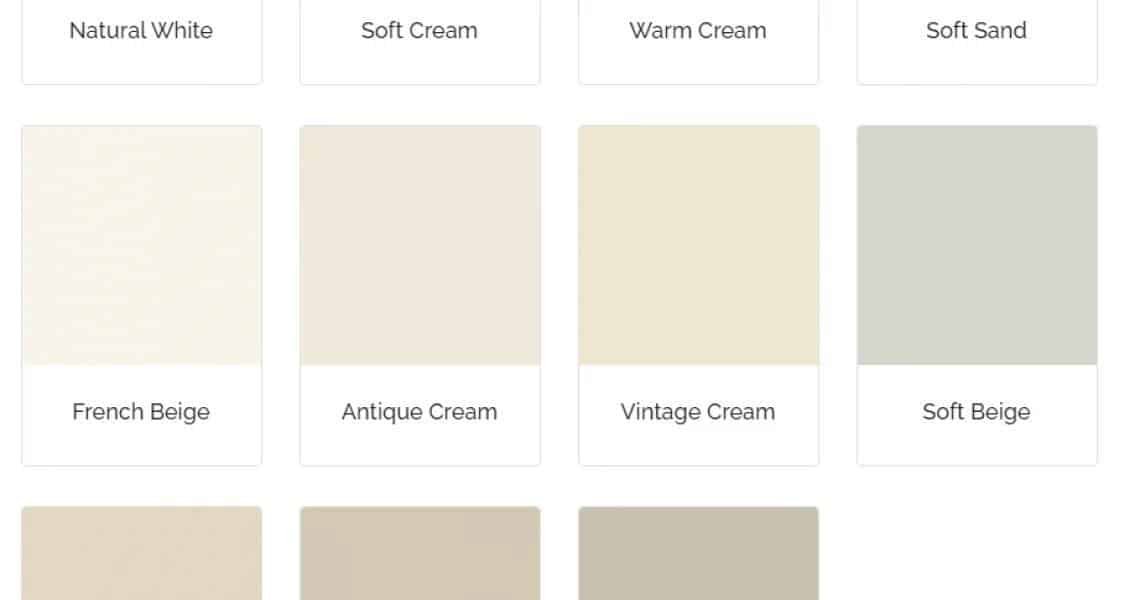
One of my favorite things about mixing cream paint is the ability to customize it.
Warm Cream
Perfect for living rooms and family spaces.
Add:
- More yellow
- Tiny touch of brown
Creates a cozy atmosphere.
Soft Ivory
Ideal for bedrooms and ceilings.
Use:
- Mostly white
- Very tiny amount of yellow
Produces an elegant appearance.
Antique Cream
Excellent for vintage furniture.
Mix:
- White
- Yellow
- Slightly more brown
This creates an aged finish without looking dirty.
Buttercream
Works beautifully in kitchens.
Increase the yellow slightly while keeping the brown minimal.
The result feels cheerful without becoming bright yellow.
How Different Paint Types Affect Cream Color
Not every paint behaves exactly the same.
| Paint Type | Mixing Result |
| Acrylic | Bright, vibrant cream |
| Latex | Smooth, soft cream |
| Oil-based | Rich, warm cream |
| Chalk Paint | Muted vintage cream |
Each type absorbs pigments differently, so always test first.
Common Mistakes People Make
I’ve definitely made every one of these mistakes at least once.
Adding Too Much Yellow
This is by far the biggest mistake.
Instead of cream, you end up with pale yellow.
Always build color gradually.
Skipping Brown
Many beginners ignore brown entirely.
Without it, cream often looks artificial.
Even the tiniest amount makes a huge difference.
Not Mixing Enough
Paint pigments settle quickly.
Stir until the color looks completely uniform.
Otherwise, you’ll notice streaks while painting.
Forgetting to Test
Paint almost never looks identical after drying.
Always paint a sample board first.
Your future self will thank you.
How to Make Cool Cream Paint
Some people prefer cream that feels slightly cooler instead of warm.
To achieve this:
- Start with white
- Add tiny yellow
- Add tiny brown
- Mix an almost invisible amount of gray
The gray reduces warmth without making the paint look dull.
IMO, this version looks fantastic in modern homes.
Best Color Combinations With Cream Paint
Cream works almost everywhere because it’s incredibly flexible.
It pairs beautifully with:
- Natural oak
- Walnut wood
- Navy blue
- Sage green
- Olive green
- Charcoal gray
- Black accents
- Soft blush pink
- Terracotta
- Gold hardware
These combinations create timeless interiors instead of trendy ones that quickly feel dated.
Where Cream Paint Looks Best
Cream shines in nearly every room.
Living Room
Cream walls make furniture stand out while keeping the room bright.
Bedroom
The warm tone creates a relaxing environment perfect for winding down.
Kitchen
Cream cabinets feel softer than bright white cabinets while hiding fingerprints better.
Hallways
Cream reflects light nicely and makes narrow spaces feel more inviting.
Furniture
Old dressers, tables, and cabinets gain an entirely new personality with cream paint.
Tips for Getting Consistent Results
Consistency matters, especially if you’re mixing a large batch.
Follow these tips:
- Write down your ratios
- Measure every addition
- Mix larger batches instead of several small ones
- Use identical paint brands
- Store leftover paint in airtight containers
- Label every container clearly
These simple habits eliminate color surprises later.
Can You Make Cream Without Brown?
Technically, yes.
Mix:
- White
- Tiny yellow
The result resembles cream, but it usually appears brighter and less natural.
Adding brown creates a richer and more balanced finish.
Can You Darken Cream Later?
Absolutely.
If your cream feels too light, gradually add:
- Brown
- Beige
- Tiny amount of ochre
Avoid adding black because it quickly turns cream gray.
Frequently Asked Questions
Is cream the same as beige?
No.
Cream contains more white and yellow, while beige contains more brown and gray.
Cream feels lighter and warmer.
Can I use food coloring?
No.
Food coloring won’t properly mix with paint.
Always use compatible paint pigments.
Why does my cream look yellow?
You probably added too much yellow.
Simply mix in more white until the color softens.
Why does cream look different in every room?
Lighting changes everything.
Natural sunlight, LED bulbs, and warm incandescent lighting all affect how cream appears.
Can I mix leftover paints?
Yes, provided they share the same paint type.
Don’t mix latex with oil-based paint.
Final Thoughts
Learning how to make a cream color with paint isn’t difficult, but it does reward patience. Start with white as your base, add yellow one tiny drop at a time, and finish with the smallest touch of brown to create a warm, balanced cream. Test your mixture on a sample board, let it dry, and adjust as needed before tackling your project.
Whether you’re painting walls, refreshing old furniture, or creating artwork, a custom cream shade gives you more control than an off-the-shelf color ever could. So grab your mixing stick, experiment with confidence, and don’t be afraid to tweak the formula until it looks just right. Sometimes the perfect cream isn’t found on a store shelf—it’s the one you create yourself.